
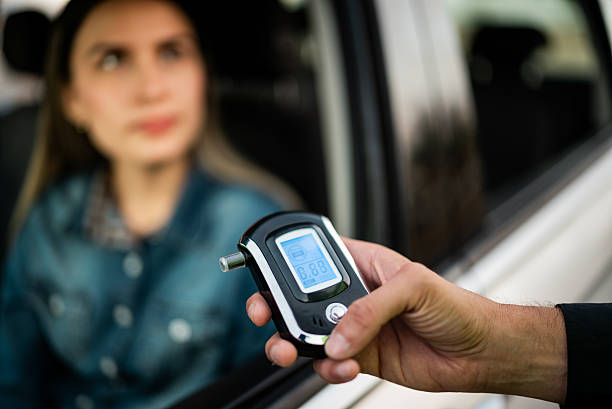
A Texas DWI charge may be reduced or dismissed if a breath or blood alcohol test was inaccurate, improperly administered, or unreliable. However, a questionable blood alcohol concentration (BAC) result does not automatically change the charge. The outcome depends on the evidence, the reason for the testing problem, and whether prosecutors can establish the offense without relying on that result.
Texas law allows prosecutors to use chemical test results as evidence, but the reliability and admissibility of those results may be challenged. A DWI attorney can evaluate testing records, collection procedures, and other evidence relevant to a driver's defense.
Understanding the legal requirements and potential weaknesses in BAC evidence can help explain when a reduced charge or dismissal may be possible. The following sections examine the applicable law, common testing problems, and the evidence that may affect a Texas DWI case.
Texas Law Does Not Require a BAC Test to Prove Intoxication
Under Texas Penal Code § 49.01, a person is intoxicated if alcohol or another substance impairs their normal mental or physical faculties, or their alcohol concentration reaches 0.08 or higher. Section 49.04 prohibits driving while intoxicated.
An unreliable BAC result does not automatically end a DWI case. Prosecutors may still rely on driving behavior, officer observations, and field sobriety tests. However, successfully challenging the test may weaken the prosecution's evidence.
Common Reasons a BAC Result May Be Inaccurate
Several problems can affect the reliability of a breath or blood alcohol test. The specific circumstances matter more than simply alleging that the result was wrong.
Breath Test Equipment and Procedures
Texas regulates evidential breath testing through the Department of Public Safety. Testing involves approved methods, certified personnel, and procedures designed to maintain scientific reliability.
Potential issues include equipment calibration problems, incomplete maintenance records, improper testing procedures, or questions about the operator's certification. A documented irregularity may provide grounds to challenge the result, although not every procedural error makes the evidence inadmissible.
Blood Sample Collection and Handling
Blood testing can also raise questions about contamination, storage conditions, labeling, or laboratory analysis. For example, incomplete records documenting a sample's handling may create questions about whether the tested specimen accurately represents the driver's blood alcohol concentration.
Medical records, laboratory reports, collection documentation, and expert analysis can help determine whether a specific problem affected the result.
Evidence That Can Support a BAC Challenge
A defense should identify specific reasons to question the test's reliability. Relevant evidence may include:
- Breathalyzer calibration and maintenance records.
- Blood collection documents and laboratory reports.
- Video footage of the traffic stop and testing.
- Medical records or expert opinions.
- The timing of alcohol consumption and testing.
A test taken after driving may not establish the driver's exact BAC while driving. Records and expert analysis can help determine whether the result accurately reflects the driver's condition at the time of operation.
A Reduced Charge Is Not Guaranteed
Challenging an unreliable BAC result may support a reduced charge, exclusion of evidence, or dismissal, depending on the remaining evidence. Under Texas Penal Code § 49.04(d), a BAC of 0.15 or higher can elevate a DWI to a Class A misdemeanor, making test accuracy particularly relevant.
Preserve Records and Review Deadlines
Anyone questioning a BAC result should preserve paperwork received after the arrest, identify potential witnesses, and avoid assuming the criminal case is the only matter involved.
Texas also has a separate Administrative License Revocation process that can affect driving privileges independently of the criminal prosecution.
Reviewing the testing evidence promptly can help identify relevant records and procedural issues before they become harder to investigate.
Key Points to Remember
- An inaccurate BAC test may weaken a Texas DWI case but does not automatically dismiss the charge.
- Texas Penal Code §§ 49.01 and 49.04 define intoxication and DWI.
- Equipment problems, testing procedures, and sample handling may affect test reliability.
- Prosecutors may rely on other evidence even if a BAC result is disputed.
- A separate license suspension process may continue regardless of the criminal case.