
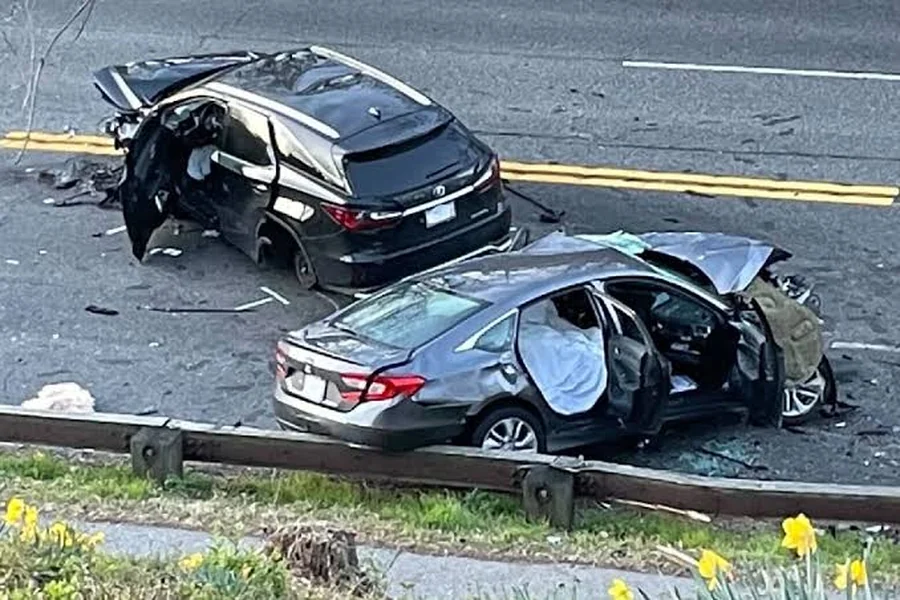
An automobile accident can take seconds to happen but the battle over who caused it can take months . Drivers have various stories and insurance companies require the facts before they will pay out. In such circumstances, witnesses might illuminate what truly happened. For wounded drivers and passengers in Richmond, Virginia, witness statements can make a huge impact. A person who observed the accident happen can attest to the flow of the vehicles, who had the right of way, or if someone ran a red light. Their statements can bridge the gaps missing in images and police reports. If you have been injured in a crash, understanding how witness testimonies function might assist defend your claim.
Why Witnesses Are Important After a Richmond Car Crash
Each driver can accuse the other after a crash. One says the light was green, the other maintains it was red. It is difficult to tell fact from fiction without substantial evidence. A witness who is not involved can give another view of what happened. This person may have observed the crash from another automobile, from the sidewalk, from inside a shop or from a bus stop. Their story helps to explain how the collision occurred. Witnesses can aid to establish facts like:
- Who was first on the road.
- If a driver ran a red light, stop sign,
- The apparent speed of a vehicle.
- Whether the driver utilized a turn signal
- The motorist was looking at a phone before the impact.
- The immediate post-collision position of the automobiles.
These details can help you form an opinion about who was at blame. They may also back up your claim for payment of medical costs, lost wages and other losses.
Who can be a witness?
Not all witnesses need to be specially trained or expert. Often most beneficial is the person who saw the incident and has no strong ties to either driver.
People who witnessed the crash
Passersby, cyclists, surrounding workers, drivers and passengers may have witnessed what occurred. Someone standing at a bus stop might get a nice perspective of an intersection. Another driver might have seen a car cut into his lane without signaling. Their statements may assist corroborate important facts concerning the crash.
Passengers & People You Know
A passenger in your vehicle can also report what they witnessed. Even if they know you personally, a friend or family member can give you first hand observations. But insurance companies may have a hard time believing someone close to you has an incentive to take your side. An independent witness may be more persuasive in some circumstances, but each statement must be evaluated on the facts.
Expert Witnesses
Some circumstances require professionals to clarify technical aspects. Crash specialists might examine car damage, road markers, photos and other data. Medical specialists can describe how the crash led to an injury or why therapy continues to be essential. These experts don’t do the same work as the folks who witnessed the crash. Their findings may help to explain phenomena not readily explained by witness statements alone.
How witness statements can bolster your claim
You can back up your account of events with a witness statement. This might also assist your lawyer respond if the other driver contests fault. For example, imagine a driver turning left across traffic on Broad Street and colliding with an incoming vehicle. The driver turning left said the other automobile was going too fast. A bystander who was nearby says the oncoming automobile had a green signal and remained in its lane. That sentence might explain how the crash happened. The claim can be bolstered if the witness is corroborated by other evidence. Witnesses can also help show what happened just after impact. They might include a driver’s actions, words or symptoms of distress. Things like that can matter when the facts are in dispute. But a witness statement is no guarantee of payment. Insurers and courts might compare it with images, medical records, vehicle damage and other evidence. The strongest statements frequently draw on more than one source of evidence, not just the story of one person.
What if the witness doesn’t agree with you?
Not all witnesses will back up your account of events. Someone can remember only part of the crash, or see it from a bad angle. Stress, traffic, weather and distance all influence what a person notices. A witness can even tell a different story than yours. That doesn’t mean your claim is doomed to fail. The point is to take the whole set of information. Your attorney can compare each account to the site, vehicle damage, traffic signals and other documents. A straightforward, honest account is more valuable than a statement that ignores facts that don’t fit. Don’t ever force a witness to amend their statement. Lying or changing your story might hurt your case and ruin your credibility.
Finding and Preserving Witness Evidence
If it is safe to do so, try to get the details of any witnesses before they leave following a crash. Get their names, telephone numbers and emails. You can also question what they witnessed, but do not argue over fault at the scene. Here are some points to remember:
- Don’t wait: memories can go away over the days.
- Note down details: Note position of each witness.
- Other evidence: Keep images, dash cam video and contact details.
- Don’t coach: Allow each person to tell the story in their own words.
- Spread the word: Provide your lawyer or insurance with witness details, if applicable.
Never put yourself in danger to obtain proof. If you require medical attention right now, get aid first. Once you are safe you can look for witness info.
How a Richmond Car Accident Lawyer Can Help You
Witness evidence needs to be handled carefully, particularly if an insurance company is arguing over fault. A lawyer can also interrogate witnesses, record their stories, and cross-check their tales with additional evidence. It can help maintain vital information before memories fade. Price Benowitz Accident Injury Lawyers, LLP handles every type of injury case including auto, truck, motorcycle, bicycle, bus and pedestrian accidents. We are a Richmond, Virginia based law company representing persons injured in traumatic accidents. A Richmond Car Accident Lawyer can evaluate the evidence and advise you of your legal options and assist you with insurance problems. Legal advice can be useful when more than one motorist is at fault or when there are serious injuries. In most negligence cases, Virginia additionally applies a strict contributory negligence rule. If the wounded individual is judged to be even partly at fault, recovery may be barred, with limited exceptions. This makes careful assessment of evidence more critical. Assume not that a single witness will decide any disputed claim. A lawyer can examine the witness’s version against the other evidence and the law.
Take the Proper Steps After a Crash
Witnesses might help clarify a crash, back your version of events and dispute statements that don’t reflect the facts. Their statements may be considerably more beneficial if supported by images, records and other reliable data. If you have been injured in Richmond, focus on medical treatment and retain documentation of your injuries and losses. Keep any witness contact details you have, and don’t speculate about fault. Good record keeping can help you know your alternatives and safeguard your entitlement to fair remuneration.
FAQs
1. Can a witness aid prove fault for my vehicle accident in Richmond?
Short answer: Yes. A witness can help illustrate what happened in the crash.
Detailed answer: A witness can testify to what they witnessed, like a driver running a red light or switching lanes without notice. If their story is consistent with other evidence, such as images or police reports, it could help your case.
2. Must witnesses to car accidents be unrelated?
Short answer: NO. Witness testimonies can be provided by passengers, acquaintances and family members.
Detailed answer: Anyone with firsthand knowledge of the crash could have helpful information. But insurers may ask if you have a bias in someone close to you. Sometimes independent witnesses might provide a more unbiased account of events.
3. What if a witness leaves before I can acquire their details?
Short answer: Look for the person in available records or by asking others on the scene.
Detailed answer: Ask other companies in the area whether they have any relevant camera footage, or see if someone else caught the crash. There are legal ways a lawyer can help to find witnesses. Don’t go in when you’re not supposed to. Don’t try to look at private records.
4. What if there were no witnesses to the claim?
Short answer: Yes. Claims may be based on different kinds of evidence.
Detailed answer: Photos, dashcam video, vehicle damage, medical records and crash reports may help reveal what happened. Virginia’s fault standards make thorough review vital. If the other motorist denies fault, seek legal help.
5. When should you call a lawyer after a car accident in Richmond?
Short answer: Call an attorney as quickly as possible, particularly if you were injured.
Detailed answer: Getting legal aid early can make it simpler to preserve witness statements and other evidence. Virginia has a two-year statute of limitations for personal injury cases, although some exceptions may apply. Waiting makes finding evidence tougher, so don’t delay receiving advice.