
Distance changes the way a used car purchase feels. You may have access to dozens of photographs and quick replies while still lacking a clear view of the vehicle itself. A remote listing can be worth investigating, but the next step should produce evidence about the particular car rather than simply add more conversation.
Organize the process around the points you cannot easily verify from home. Confirm identity, gather relevant records, arrange an independent assessment, and understand the practical steps for collecting the vehicle. A deliberate sequence helps you decide whether the car deserves further expense before travel or transport becomes part of the plan.
Establish Which Vehicle Is Being Offered
Ask for the VIN and a clear description of the car before making arrangements. Save the listing, its date, and the seller’s stated mileage and price. If the seller offers a different vehicle during the discussion, treat it as a new candidate and review it separately. Similar photographs and model descriptions do not make the two cars interchangeable.
Keep all information for one vehicle together. A simple folder can hold the listing, correspondence, research, and inspection documents. When comparing several remote options, this prevents details from one seller being remembered as facts about another. It also makes follow-up questions easier to write.
VinReport offers VIN-based vehicle research, and a buyer can use this site to investigate recorded history before deciding whether to arrange a distant viewing. Confirm that the identifier entered is correct and read the results for questions that need follow-up. Remote research is preparation for verification, rather than a replacement for seeing and assessing the car.
Request Evidence That Answers a Question
More photographs are useful when they address a specific gap. If the listing omits the cargo area, asks you to overlook a warning light, or describes damage vaguely, request a clear view and an explanation. A targeted request is easier to evaluate than a general demand for “more pictures.”
A live video conversation can help you ask the seller to show particular areas and documents. It still has limits. Lighting, camera angle, sound quality, and the seller’s presentation can affect what you perceive. Record the question that was answered and avoid extending the result into a conclusion about areas you did not inspect.
Distinguish documents from descriptions of documents. If the seller says that servicing is documented, ask to review the relevant records with personal information handled appropriately. Check the vehicle identifier, date, and work described. A statement that paperwork exists does not establish what the paperwork actually shows.
Arrange an Independent Local Assessment
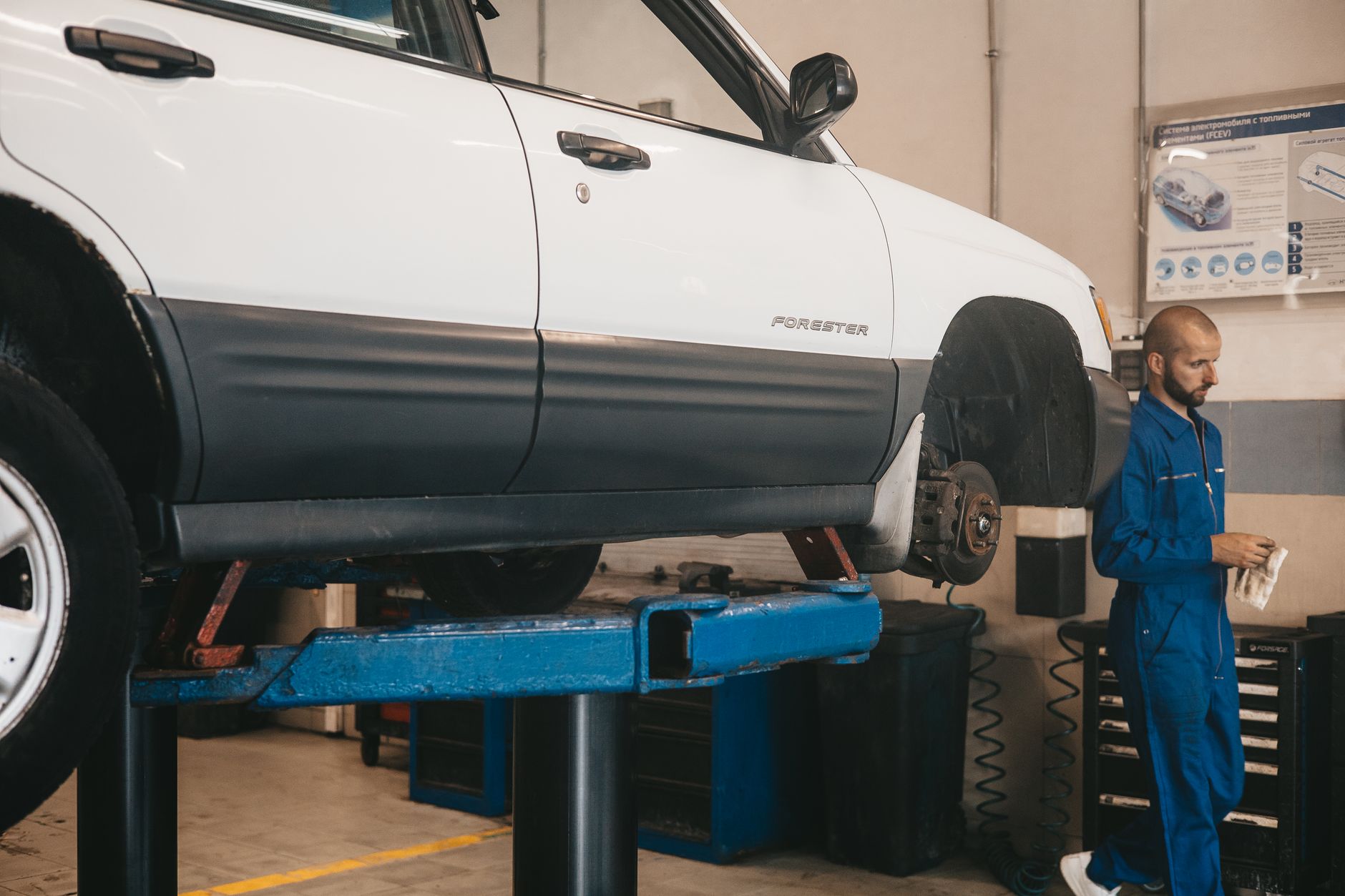
The FTC’s independent-inspection advice explains that a history report does not substitute for a mechanical inspection. For a distant car, contact an independent professional who can examine it where it is located. Discuss the scope of the inspection before booking, including whether a road test and written findings are available.
Explain that you cannot attend and identify your main concerns. Share the VIN, listing, and material questions from the records. Ask what the inspector can assess and what will remain outside the appointment’s scope. This helps you interpret the finished report without assuming that every system was tested.
Coordinate access with the seller, but keep the findings directed to you. If the inspection cannot proceed as planned, find out why before changing the scope. Scheduling difficulty and refusal to allow meaningful examination are different situations. The response should depend on the circumstances and the evidence you can obtain.
Review the Findings Before Booking Travel
Read the written assessment in full and ask for clarification while the details are fresh. Separate ordinary maintenance, recommended repairs, and unresolved concerns. Ask which findings need further specialist evaluation rather than treating all observations as equally significant.
Use a short decision list:
- Does the inspected VIN match the vehicle you researched?
- Which findings change the car’s suitability for your intended use?
- What work appears necessary before normal use or collection?
- Which seller claims remain unsupported or inconsistent?
- Is another inspection or specialist opinion needed?
- Do the remaining uncertainties justify further travel or expense?
Consider a hypothetical car that photographs well but has an unresolved warning light and incomplete repair paperwork. A distant buyer may be tempted to proceed because the journey is already being planned. Keeping the decision list explicit makes it easier to pause until the concern is understood.
Make Collection and Handover Concrete
If the car remains a suitable candidate, discuss where and when the handover would occur and what documents will be available. Confirm the relevant registration and transfer steps with the appropriate authorities for the locations involved. Requirements can differ, particularly when a vehicle crosses state or national boundaries.
Ask how the car will be presented at collection and what happens if its condition differs materially from the information provided. Get any agreed arrangements in writing. Avoid relying on a quick verbal promise when the practical consequences could include another journey or a transport charge.
If you use a transport service, establish who records the car’s condition at pickup and delivery. Keep that record separate from the pre-purchase inspection. The inspection addresses the vehicle as assessed at a particular time; a transport condition record serves a different purpose during movement and handover.
Check the Final Vehicle Against Your Research
At collection, compare the VIN and vehicle details again. Review the current mileage and inspect for changes from the evidence you relied on. If someone else collects the car, give that person a clear list of checks and instructions about what to do if there is a discrepancy.
Retain the research, correspondence, inspection report, and final transaction documents together. A well-organized record helps you understand what was represented, what was assessed, and what you accepted. It also provides a useful starting point for maintenance planning after the purchase.
Buying at a distance requires a process that brings you closer to the actual vehicle at each stage. Specific evidence, an independent assessment, and clear handover arrangements make the decision more grounded. If the process leaves major questions unresolved, distance is a reason to seek better verification before proceeding.