

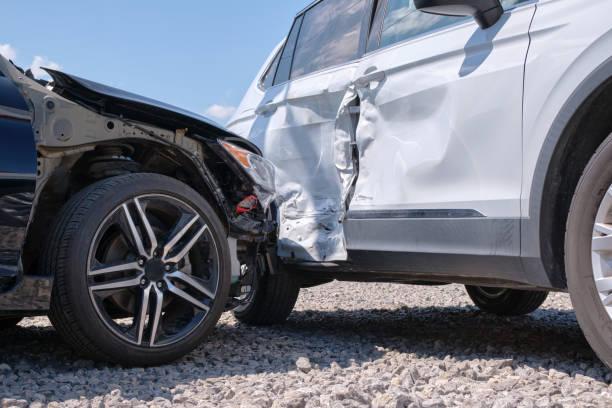
Highway-related driving risks are often influenced by both physical fatigue and mental distraction. Long hours on the road, repetitive scenery, and reduced cognitive engagement can gradually impact a driver’s alertness without them even realizing it. These subtle changes in attention are a major factor behind many road accidents, especially on highways where driving conditions appear steady and predictable.
This condition is commonly referred to as highway hypnosis, a state where drivers enter a semi-automatic mode during long, monotonous journeys. In this phase, the brain becomes less actively engaged in the driving process, even though the driver continues to operate the vehicle normally.
In this article, we will understand the concept of highway hypnosis and its role in distracted or fatigued accidents in detail.
Understanding How Highway Hypnosis Develops
Highway hypnosis develops when the brain is exposed to low levels of stimulation for extended periods. On straight highways with minimal traffic changes, driving does not demand constant decision-making. As a result, the mind begins to rely on muscle memory and routine actions, reducing active focus. While this allows for smooth driving under normal conditions, it becomes dangerous when unexpected events occur.
Fatigue significantly worsens this condition. A tired brain struggles to maintain attention, process visual cues, and respond quickly. When combined with monotonous driving, it creates a mental state where the driver may feel awake but is not fully alert. This is why even experienced drivers can find themselves drifting out of their lane or failing to notice important road signals.
Role in Distracted and Fatigued Driving Accidents
One of the most concerning aspects of highway hypnosis is that it does not feel like a distraction in the traditional sense. Unlike mobile phone use or external interruptions, this is a passive loss of attention. The driver remains physically in control but mentally disengaged, which makes it difficult to recognize the danger in real time.
This leads to slower reaction times and poor decision-making. In many cases, drivers only become fully aware after a near-miss or minor collision. Fatigue further increases the risk, as exhausted drivers are more likely to fall into this semi-conscious driving state without warning.
Preventive Measures and Awareness
Preventing highway hypnosis requires conscious effort to stay mentally active during long drives. Taking regular breaks, stopping for short walks, and avoiding continuous hours of driving can help reset attention levels. Engaging the mind through conversation, listening to varied audio content, or adjusting driving posture also helps maintain alertness.
Recognizing early signs such as wandering thoughts, missed road details, or difficulty recalling recent driving moments is crucial. With proper awareness and preventive habits, drivers can significantly reduce the risks associated with this condition and ensure safer journeys on highways.
Key Takeaways
-
Highway hypnosis is a semi-automatic driving state with reduced awareness of surroundings.
-
It usually occurs during long, monotonous highway driving with little stimulation.
-
Fatigue and mental tiredness increase the chances of entering this state.
-
It leads to delayed reactions, missed signals, and reduced focus on the road.
-
Taking breaks and staying mentally engaged helps prevent highway hypnosis.