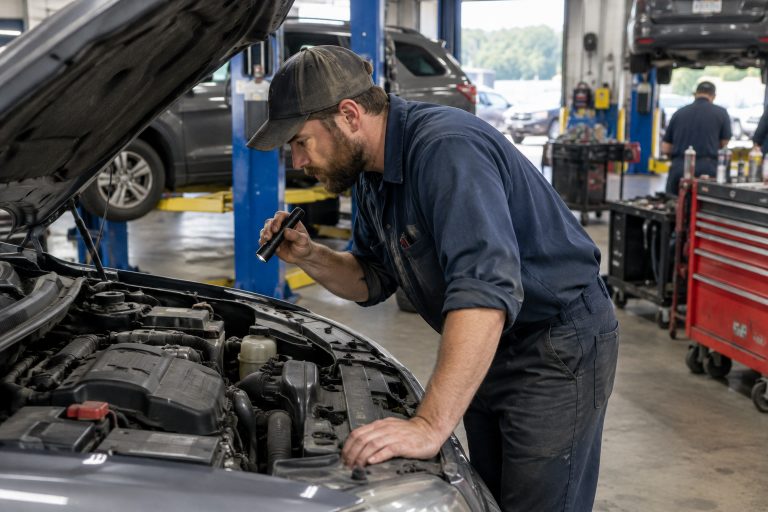


For Clifton, New Jersey drivers, a consistent maintenance routine can make commuting, errands, and weekend travel feel more predictable. Whether you drive an older vehicle or are comparing new Volkswagen vehicles, the most useful schedule starts with the maintenance requirements for the exact vehicle you own or plan to own. Your owner’s manual should always take priority over generic mileage advice. Service needs can change with a vehicle’s age, engine type, mileage, and daily use. Frequent short trips, stop-and-go traffic, towing, rough pavement, and hot or cold weather can all justify closer attention. A good plan uses both calendar dates and odometer readings. For example, a driver who puts on limited miles can still need inspections or fluid checks based on time, while a high-mileage commuter may reach scheduled service intervals much sooner. Start by recording the current mileage, the date of the last oil change, the date of the last tire rotation, and any recent brake, battery, or fluid work. This baseline makes it easier to identify what is due next, rather than reacting only after a dashboard light appears. When local drivers search for a VW dealer near me, it helps to arrive with a clear service history and a list of concerns. Specific notes about sounds, smells, warning lights, or changes in handling can make a maintenance visit more productive.
Why a Maintenance Schedule Matters
Routine maintenance is not a guarantee against every repair, but it can reveal worn parts and low fluid levels before they cause a larger problem. Regular tire, brake, light, and fluid checks also support safer everyday driving. Following the manufacturer’s plan can help avoid skipped services, unnecessary add-ons, and confusion about what was completed.
How to Build Your Schedule
- Find the maintenance section of the owner’s manual and note the mileage and time intervals.
- Write down the vehicle’s current mileage and the date of each completed service.
- Add upcoming oil service, tire rotation, inspections, and fluid services to a phone calendar or paper log.
- Set reminders by both date and mileage, then revise them when driving habits change.
- Keep invoices, inspection reports, warranty information, and recall notices together.
Weekly and Monthly Checks
Most drivers can perform a few basic checks without special tools. Once a month, look over all four tires for low pressure, uneven wear, cracks, punctures, or sidewall damage. Check accessible fluid levels according to the manual, including engine oil and washer fluid. Test headlights, brake lights, turn signals, and hazard lights with help from another person when possible. Also inspect wiper blades for streaking or torn rubber, look beneath the vehicle for fresh puddles, and pay attention to new noises while starting, braking, turning, or accelerating. A change in normal operation is worth recording, even if it seems minor.
Maintenance by Mileage
Every 5,000 to 10,000 Miles
Many vehicles fall somewhere in this range for oil and filter service, but the manual determines the correct interval. This is also a practical time to check tire pressure and tread, rotate tires if recommended, inspect brakes, and review lights, belts, hoses, and fluid levels. Reset a maintenance reminder only after the work is complete.
Every 15,000 to 30,000 Miles
Review the engine air filter and cabin air filter, inspect the steering and suspension components, and assess the battery and charging system condition. If the vehicle pulls to one side, the steering wheel is no longer centered, or tires wear unevenly, an alignment inspection may be appropriate.
Every 30,000 Miles and Beyond
Check the manual for scheduled brake fluid, coolant, transmission, differential, and spark plug requirements. Higher-mileage vehicles may also need closer inspection of belts, hoses, mounts, wheel bearings, shocks, struts, exhaust components, and underbody corrosion. Vehicles with a timing belt need replacement at the interval specified by the manufacturer.
Seasonal Car Care in Clifton
Spring and Summer
After winter driving, inspect the tires and suspension for damage caused by potholes or rough roads. Clean accumulated grime from the windshield and underbody, replace worn wipers, and check air conditioning before consistently hot days arrive. Summer is also a sensible time to inspect coolant hoses, monitor tire pressure, and test the battery before a longer trip.
Fall and Winter
As daylight decreases and weather changes, confirm that headlights, brake lights, defrosters, heaters, and wipers work properly. Cold temperatures can affect tire pressure and battery performance, so inspect both more often. Use washer fluid suitable for freezing conditions, and watch for corrosion around the brakes and under the vehicle after driving on treated roads.
Warning Signs That Need Attention
- Brakes: Grinding, persistent squealing, vibration, pulling, or a soft pedal.
- Tires: Repeated air loss, shaking, bulges, uneven tread, or a vehicle that drifts or pulls.
- Engine: Rough running, loss of power, heavy smoke, overheating, or a flashing warning light.
- Fluids and electrical systems: Colored puddles, strong odors, slow starting, flickering lights, or repeated battery trouble.
If the engine overheats, braking power is reduced, a strong fuel smell is present, or a warning light flashes, stop in a safe location when possible and arrange qualified assistance rather than continuing to drive.
Ways to Reduce Repair Costs
Use the correct oil, fluids, filters, and parts specified for the vehicle, and ask for a written estimate before approving nonurgent work. Request a clear explanation of what needs immediate attention and what can be monitored. Avoid agreeing to automatic flushes or service packages that do not match the maintenance plan. Before a road trip, use the official vehicle recall lookup to check whether any unrepaired safety recalls apply to your vehicle.
Keeping Maintenance Records
Create one digital note, spreadsheet, or folder for the vehicle. Record the date, mileage, service performed, parts used, and any symptoms reported. Complete records can help technicians understand prior work and can be useful when selling the vehicle. Comparing your log with this practical car maintenance checklist can help you spot questions to discuss at your next service visit.
Quick Checklist
- Check tire pressure, lights, wipers, and accessible fluids each month.
- Follow the owner’s manual for oil changes, tire rotations, and scheduled inspections.
- Prepare the battery, tires, wipers, cooling system, and washer fluid for seasonal conditions.
- Act promptly when handling, braking, warning lights, sounds, or fluid levels change.
- Keep a current maintenance record and check for open recalls during the year.
A simple maintenance schedule gives Clifton drivers a practical way to stay ahead of wear without paying for work a vehicle does not need. Combine the owner’s manual with regular inspections, seasonal preparation, and careful recordkeeping to make each mile more manageable.
Conclusion
A reliable car maintenance schedule helps Clifton drivers manage everyday travel while reducing the chances of unexpected vehicle problems. The best approach is to follow the manufacturer's recommendations, keep track of completed services, and adjust the routine to match the vehicle's condition and driving habits. Regular inspections, seasonal preparation, and prompt attention to warning signs can help identify potential concerns before they become more serious. It is equally important to maintain accurate service records and understand the reason behind each recommended repair. Whether you drive an older vehicle or are considering a new Volkswagen, working with qualified service professionals can help you make informed maintenance decisions. With consistent care and a practical schedule, you can keep your vehicle in good condition and make daily driving more predictable.