

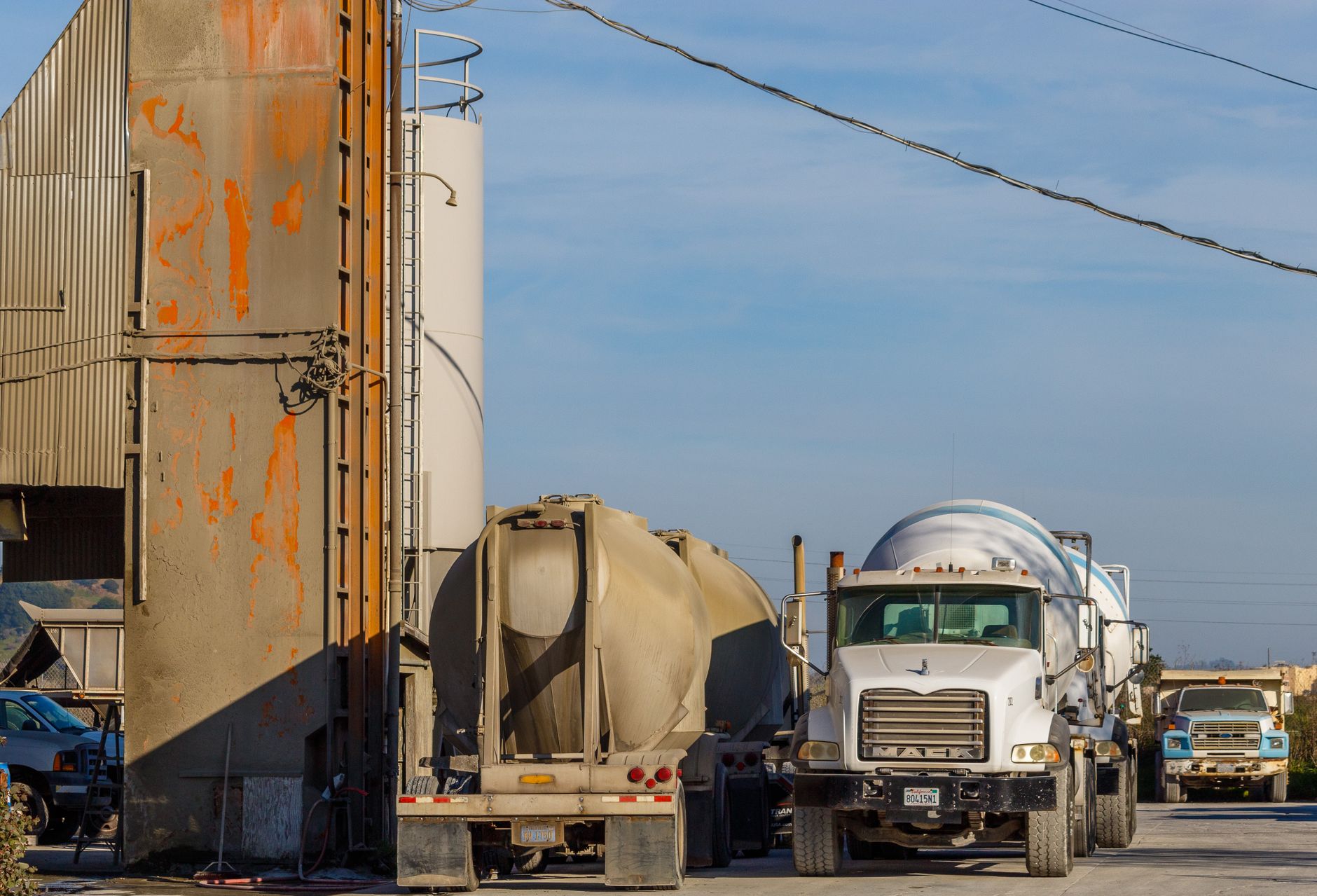
Managing fuel expenses is an important responsibility for businesses that operate commercial vehicles. Whether a company manages delivery vans, service trucks, construction vehicles, or transportation fleets, keeping track of fuel purchases and employee spending requires consistent oversight. A fleet fuel program can provide businesses with tools to organize fuel payments, monitor transactions, and manage vehicle-related expenses.Additional information about business fleet fueling programs can be found at https://www.earnifyfleet.com.
Depending on the program, businesses may have access to features such as fuel discounts, transaction reporting, spending controls, centralized billing, and participating fuel station networks. Understanding what a fleet fuel program offers can help business owners and fleet managers determine whether these solutions align with their operational needs.
What Is a Fleet Fuel Program?
A fleet fuel program is a payment and expense management solution designed for businesses that purchase fuel for company vehicles. It typically involves specialized fuel cards that authorized employees can use at participating gas stations.
Unlike traditional consumer payment cards, fleet fuel programs often include features designed specifically for commercial vehicle operations.
Common features may include:
- Fuel purchase tracking
- Driver and vehicle identification
- Spending limits and purchase restrictions
- Digital transaction reports
- Centralized billing
- Online account management
- Mobile application access
Some programs may also support eligible vehicle maintenance purchases or provide access to specific fuel pricing arrangements.
7 Features a Fleet Fuel Program Can Offer Businesses
1. Convenient Fuel Payments
One of the primary features of a fleet fuel program is providing employees with an approved payment method for business fuel purchases.
Instead of requiring drivers to pay out of pocket and submit reimbursement requests, businesses can issue fuel cards to authorized employees or assign them to specific vehicles.
This creates a more consistent purchasing process and allows companies to organize fuel expenses through a centralized account.
2. Fuel Discounts and Pricing Options
Some fleet fuel programs offer discounted pricing or special fuel purchasing arrangements at participating locations.
Depending on the program, discounts may apply to specific fuel types, participating stations, or eligible transactions.
Businesses with frequent fuel purchasing requirements may find these arrangements worth evaluating when comparing different programs.
However, discounts vary by location and account terms. Companies should also consider applicable fees and local fuel prices before determining the overall value of an offer.
3. Detailed Transaction Reporting
Tracking fuel purchases across multiple vehicles can be challenging without organized records.
Many fleet fuel programs provide digital transaction reports that include information such as:
- Purchase date and time
- Fueling location
- Transaction amount
- Fuel quantity
- Driver identification
- Vehicle information
These records allow fleet administrators to review spending activity and identify purchasing patterns.
Detailed reporting can also support accounting, expense reconciliation, and business budgeting.
4. Spending Controls and Purchase Restrictions
Businesses often need to establish clear guidelines for employee fuel purchases.
Depending on the program, fleet fuel cards may offer customizable controls that allow administrators to set spending limits and restrict certain purchases.
Available features may include daily or weekly spending limits, fuel-only purchasing permissions, transaction frequency restrictions, and driver-specific authorization.
These controls can help businesses maintain consistent purchasing policies and monitor employee spending.
5. Access to Participating Fuel Stations
Fuel station acceptance is an important consideration when selecting a fleet fuel program.
Some programs operate through specific fuel station networks, while others provide access to a broader selection of participating locations.
Businesses with vehicles traveling across multiple cities or states should evaluate whether the available network supports their regular routes.
Certain programs also provide station locators or mobile applications that help drivers identify eligible fueling locations.
6. Online Account Management
Many fleet fuel programs offer online dashboards that allow administrators to manage their accounts through a computer or web browser.
Depending on the platform, businesses may be able to:
- Review recent fuel transactions
- Add or deactivate cards
- Manage authorized drivers
- Update account information
- Monitor spending activity
- Download expense reports
- Review billing statements
These features can make account administration more convenient, particularly for companies managing several vehicles or business locations.
7. Centralized Billing and Expense Management
Managing individual fuel receipts and payment records can create additional administrative work.
Fleet fuel programs may simplify this process by consolidating eligible purchases into a central account statement.
Depending on the program, transactions may be organized by vehicle, driver, purchase date, or fueling location.
This can help accounting teams review fuel expenses without relying entirely on individual employee receipts and reimbursement records.
Which Businesses Can Benefit from Fleet Fuel Programs?
Fleet fuel programs can be useful for businesses of different sizes that regularly purchase fuel for commercial vehicles.
Common examples include:
- Delivery Companies: Can organize fuel purchases across multiple delivery vehicles and drivers.
- Transportation Businesses: Can monitor fuel transactions associated with regional and long-distance routes.
- Construction Companies: Can manage eligible fuel purchases for work vehicles and equipment.
- Field Service Businesses: Plumbing, electrical, HVAC, and maintenance companies can track fuel expenses for service vehicles.
- Sales Organizations: Can organize fuel purchases for employees who regularly travel to customer locations.
The suitability of a program depends on vehicle usage, operating locations, fuel requirements, and available account features.
What Should Businesses Consider Before Choosing a Fleet Fuel Program?
Not every fleet fuel program offers the same benefits or payment arrangements. Businesses should compare several factors before selecting one.
- Fuel Station Network: Check whether participating locations are available along regular business routes.
- Discount Availability: Review eligible locations, fuel types, and pricing conditions.
- Spending Controls: Determine whether administrators can establish customized purchasing restrictions.
- Reporting Capabilities: Evaluate whether transaction reports provide sufficient information for expense management.
- Fees and Billing Terms: Understand account fees, payment deadlines, billing cycles, and additional charges.
- Mobile Access: Check whether online account management and mobile applications are available.
- Additional Services: Determine whether the program supports eligible maintenance purchases or other vehicle-related expenses.
A fleet fuel program can offer businesses several tools for managing fuel purchases and monitoring transportation expenses. Features such as fuel discounts, transaction reporting, spending controls, centralized billing, and online account management can help organize daily fleet operations.
However, available features and potential benefits depend on the specific program, participating fuel station network, and account terms.
By comparing pricing arrangements, reporting tools, acceptance locations, and spending controls, businesses can determine whether a fleet fuel program meets their operational requirements and supports their approach to fuel expense management.