
The automotive industry is moving towards cleaner and more efficient forms of transportation. Electric vehicles (EVs) have become increasingly common as manufacturers develop alternatives to traditional petrol and diesel vehicles. An electric MPV car in Singapore offers drivers a practical option for combining family-friendly passenger space with the benefits of electric mobility. Among these options, electric multi-purpose vehicles (MPVs) are gaining attention for their combination of passenger capacity, practicality, and electric power.
Why Electric MPVs Are Gaining Attention
MPVs are designed to accommodate families, groups, and passengers who need additional interior space. Their flexible seating arrangements and larger cabins make them suitable for everyday travel, school runs, business use, and longer journeys.
Electric power adds another benefit to this vehicle type. Instead of relying on an internal combustion engine, electric MPVs use battery-powered motors. This can reduce reliance on petrol or diesel while providing a quieter driving experience. For drivers who need a practical vehicle but also want to reduce fuel consumption and tailpipe emissions, electric MPVs provide an alternative to conventional models.
Government Support for Electric Vehicles
Government policies have played an important role in the development of the electric vehicle market. Depending on the region, support can include purchase incentives, tax benefits, charging infrastructure programmes, and regulations designed to encourage the adoption of lower-emission vehicles.
These measures can make electric vehicles more accessible to consumers while encouraging manufacturers to invest in new technologies. As regulations surrounding vehicle emissions become stricter, manufacturers are also expanding their electric vehicle ranges to meet changing market requirements.
Advances in Electric MPV Technology
Improvements in battery and electric motor technology have helped address some of the concerns associated with electric vehicles. Modern electric MPVs can offer longer driving ranges and more efficient power management than earlier models.
Features such as regenerative braking allow the vehicle to recover some energy during deceleration. Improved battery management systems can also help monitor energy use and battery performance. Efficient heating and cooling systems further contribute to overall energy management.
Technology inside the cabin has also developed. Depending on the model, electric MPVs may include driver-assistance systems, digital displays, connectivity features, and advanced safety equipment.
The Importance of Charging Infrastructure
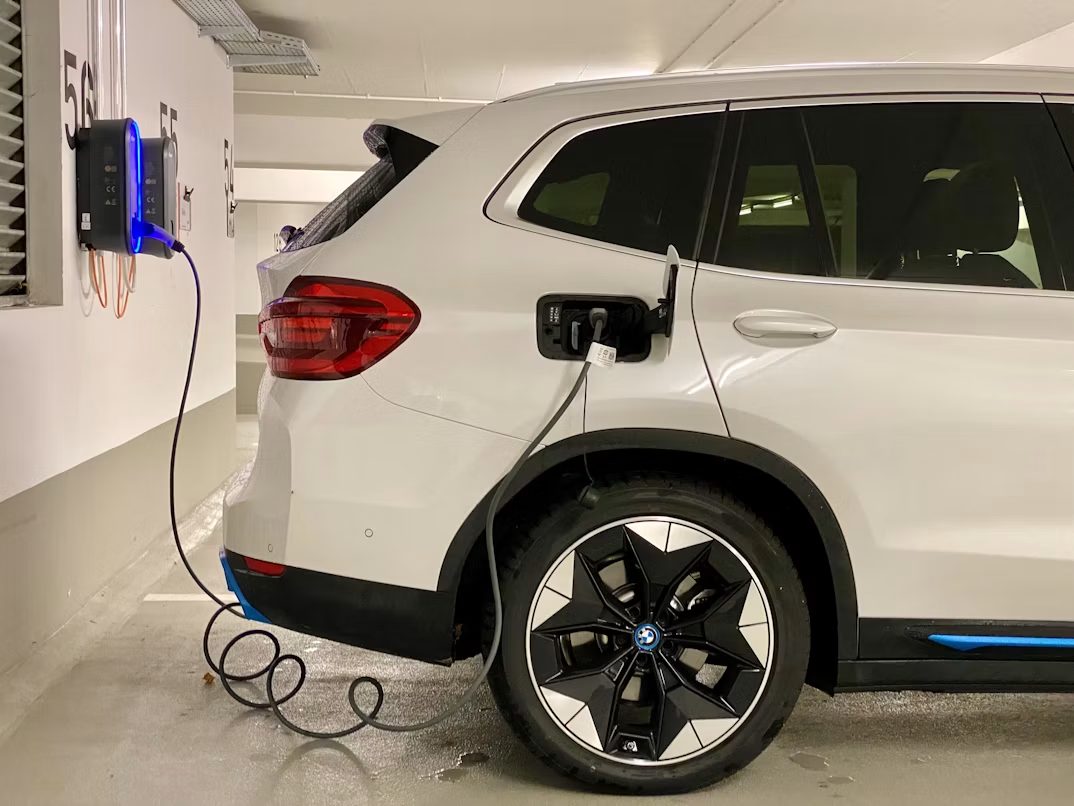
Charging access remains an important consideration for electric vehicle owners. A reliable network of public and private charging points can make electric MPVs more practical for daily use.
Home charging allows owners to replenish the vehicle overnight, while public charging stations provide additional options during longer trips. Fast-charging technology can reduce the time required to recharge the battery, making electric vehicles more suitable for drivers with demanding schedules.
As charging networks expand, electric MPVs can become easier to integrate into different types of daily travel.
Environmental Considerations
Electric MPVs can help reduce tailpipe emissions because they do not produce exhaust emissions while driving. This can be particularly relevant in densely populated areas where vehicle pollution is a concern.
The overall environmental impact of an electric vehicle also depends on factors such as how electricity is generated, battery production, and vehicle manufacturing. Even so, electric powertrains can contribute to efforts to reduce dependence on fossil fuels and lower emissions from road transportation.
Factors to Consider Before Buying
Several factors can influence the decision to purchase an electric MPV. Driving range is important for households or businesses that regularly travel long distances, while charging access can affect everyday convenience.
Purchase price is another consideration. Electric vehicles can cost more upfront than comparable petrol or diesel models. However, electricity costs, maintenance requirements, and other ownership expenses can differ over the vehicle's lifetime.
Interior space, seating flexibility, safety features, battery capacity, charging speed, and available technology can also influence which model suits a particular household or business.
Different Features for Different Needs
Electric MPVs are available with a range of specifications and equipment. Some models focus on comfort and technology, offering premium interiors, advanced infotainment systems, and additional driver-assistance features.
Others place greater emphasis on practicality, flexible seating, storage capacity, and efficient operation. This variety allows electric MPVs to serve different users, from families requiring additional passenger space to businesses using vehicles for regular transportation.
Electric MPVs and Urban Mobility
Electric MPVs can support changing transportation needs in urban areas. Their larger passenger capacity makes them suitable for families, group travel, and certain commercial applications.
Their electric powertrains can also contribute to quieter streets and lower local tailpipe emissions. When combined with public transport, car-sharing, and other mobility services, electric MPVs can form part of a broader shift towards more efficient urban transportation.
However, their effectiveness also depends on factors such as charging availability, road infrastructure, electricity supply, and consumer adoption.
The Future of Electric MPVs
The electric MPV market is likely to continue developing as battery technology improves and manufacturers expand their electric vehicle portfolios. Improvements in charging speed, driving range, vehicle efficiency, and onboard technology could make these vehicles more practical for a wider range of users.
As transportation systems move towards lower-emission alternatives, electric MPVs can provide a combination of passenger capacity and electric performance. Their development reflects a broader shift in the automotive industry towards vehicles designed to meet practical transportation needs while reducing reliance on conventional powertrains.