

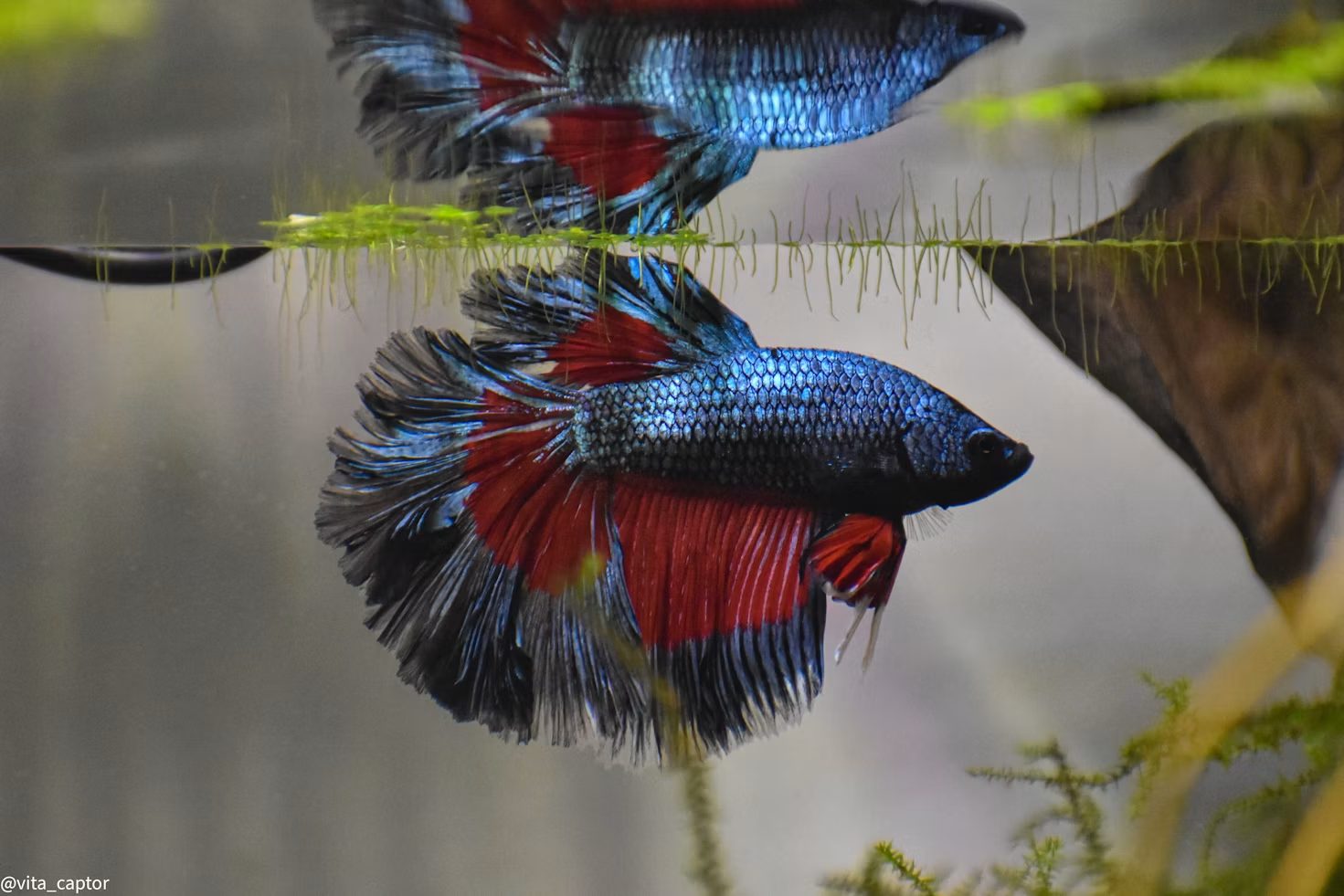
When choosing a female Koi Betta, health should be one of the main considerations. These fish are recognized for their distinctive color patterns and can be a suitable addition to a home aquarium when their care requirements are properly understood. Before purchasing a fish, prospective owners should assess its appearance, behavior, living conditions, and overall health.
Appearance of the Female Koi Betta
A fish's appearance can provide useful clues about its health. If you're looking to buy female Koi Betta, a healthy female Koi Betta should have a generally healthy appearance, with scales that lie flat against the body and skin that is free from sores, unusual lesions, or damaged areas.
The eyes should appear clear rather than cloudy or swollen. The body should also look well-proportioned, without visible injuries or abnormal swelling. While Koi Bettas naturally have different color patterns, sudden or unusual discoloration may warrant closer inspection.
Behavior and Activity Level
Observing a Betta's behavior before purchase can help identify potential health concerns. A healthy fish should be alert and responsive, moving around the aquarium and reacting to activity nearby.
A fish that remains inactive for extended periods, hides constantly, struggles to swim, or stays near the surface may be experiencing stress or illness. However, individual behavior can vary, so these signs should be considered alongside the fish's physical condition and tank environment.
Fin Condition and Shape
The fins should be examined closely for signs of damage or disease. Healthy fins should be intact and free from excessive tearing, fraying, or discoloration.
The fin edges should not have unusual white or red areas, which can sometimes indicate infection or injury. The fins should also move naturally as the fish swims. Damaged or clamped fins may be signs of stress or an underlying health problem.
Breathing and Gill Movement
Gill movement can also provide an indication of a Betta's condition. A healthy female Koi Betta should breathe steadily, with regular and controlled gill movement.
Rapid or labored breathing may indicate stress, poor water quality, or illness. The fish should not repeatedly gasp at the surface or appear to struggle while breathing. Bubble-nest building is more commonly associated with male Bettas, so it should not be used as a primary indicator of health in females.
Interaction with Tankmates
Female Bettas can sometimes live in community aquariums, but compatibility depends on the individual fish and its tankmates. Before selecting a fish, it can be useful to observe how it responds to other fish.
Excessive aggression, persistent chasing, or signs of stress may indicate that a particular community setup is unsuitable. Appropriate tankmates, sufficient space, and suitable hiding areas can help reduce stress and conflict.
Skin and Scale Health
The skin and scales should be checked for visible signs of disease or injury. Healthy scales should remain smooth and evenly aligned with the body.
Unusual spots, sores, raised scales, or unexplained discoloration may indicate a health problem. White spots can also be associated with parasites such as ich. Any fish showing clear signs of illness should be assessed carefully before purchase.
Size and Body Condition
A female Koi Betta should have a healthy body shape that is appropriate for its age and development. Extremely thin fish may have experienced inadequate nutrition or illness, while unusual swelling can also indicate an underlying problem.
The body should appear proportionate, with enough weight to indicate good general condition. Size alone should not determine whether a fish is healthy, as Bettas can vary naturally depending on age, genetics, and development.
Retailer and Tank Conditions
The conditions in which the fish are kept can provide important information about its overall care. Clean tanks, clear water, appropriate filtration, and reasonable stocking levels are positive signs.
Overcrowded or poorly maintained tanks can increase stress and the risk of disease. Prospective owners should also look for signs of uneaten food, excessive waste, or visibly unhealthy fish sharing the same system.
Nutrition and Feeding Response
Observing feeding behavior can help provide additional information about a Betta's condition. A healthy fish will generally show interest in food and respond when it is offered.
Prospective owners can also ask the retailer about the fish's current diet. Bettas require a protein-rich diet, which can include suitable pellets and appropriately prepared frozen, freeze-dried, or live foods. Knowing what the fish has been eating can make the transition to a new aquarium easier.
Genetic Stock and Breeding Information
The source of a female Koi Betta can also be worth considering. Responsible breeders can provide information about the fish's lineage, breeding practices, and general health history.
Understanding the fish's background may help prospective owners make more informed decisions about its care. Breeding information can also provide useful context regarding expected color patterns, development, and other physical characteristics.
Quarantine and Disease Prevention
A newly purchased Betta should be quarantined before being introduced to an established aquarium. This allows the fish to adjust to its new surroundings while giving the owner time to monitor it for signs of illness.
During quarantine, the fish should be observed for changes in appetite, activity, breathing, appearance, or swimming behavior. Keeping a new fish separate initially can also reduce the risk of introducing disease to other aquarium inhabitants.
Water Quality and Temperature
Proper water conditions are essential for maintaining a healthy Betta. Water should be tested regularly to monitor important parameters, while the aquarium temperature should remain stable and suitable for Bettas.
Sudden changes in temperature or poor water quality can cause stress and contribute to health problems. Regular water changes, appropriate filtration, and consistent monitoring can help maintain a stable environment.
Lifespan and Long-Term Care
With appropriate care, Bettas can live for several years. Their lifespan depends on factors such as genetics, diet, water quality, tank conditions, and overall care.
Understanding the long-term commitment involved can help prospective owners prepare for the fish's needs. Providing a suitable aquarium, balanced nutrition, stable water conditions, and regular observation can support the fish's health throughout its life.
Conclusion
Choosing a healthy female Koi Betta involves more than selecting a fish based on color or pattern. Physical condition, behavior, fin and scale health, breathing, feeding response, and the retailer's aquarium conditions should all be considered before purchase.
Once the fish is brought home, proper quarantine and consistent aquarium maintenance can help reduce health risks. With suitable care and stable living conditions, a female Koi Betta can remain a healthy addition to an aquarium for years.