
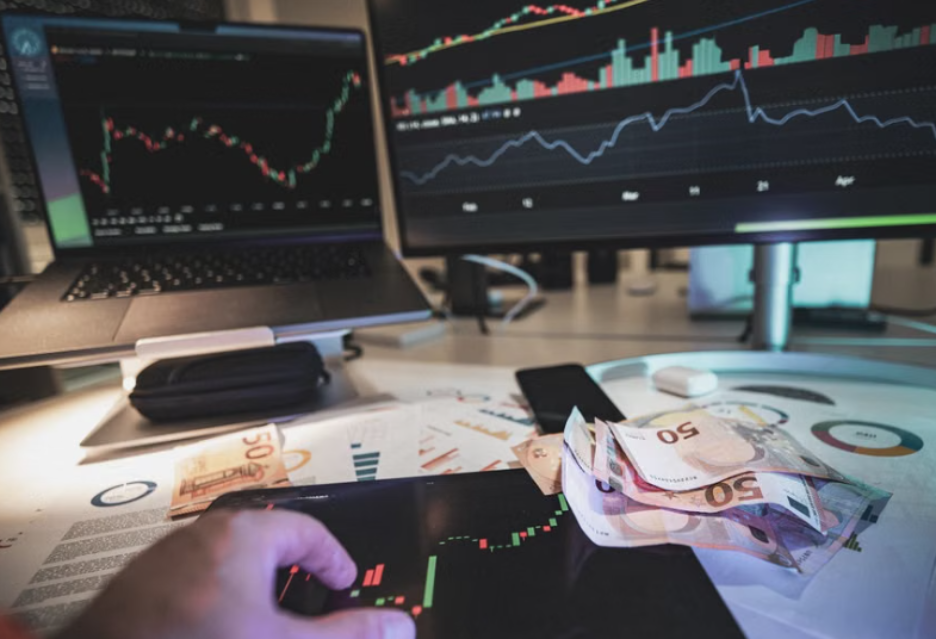
Forex trading can look simple when you focus only on buying one currency and selling another. In practice, several factors can affect how a trade behaves, from sudden price changes to changing market conditions. Market volatility is one of the main factors because currency prices can move quickly when market conditions change.
However, volatility is only one part of the wider trading environment. Understanding the main challenges can give you a clearer view of what can affect your trades and why different trading conditions matter. A closer look at these areas can help you better understand what forex trading involves beyond simply predicting whether a currency pair may rise or fall.
The following sections first explore market volatility and then look at other challenges that can arise during forex trading.
Market Volatility and Its Effect on Forex Trading
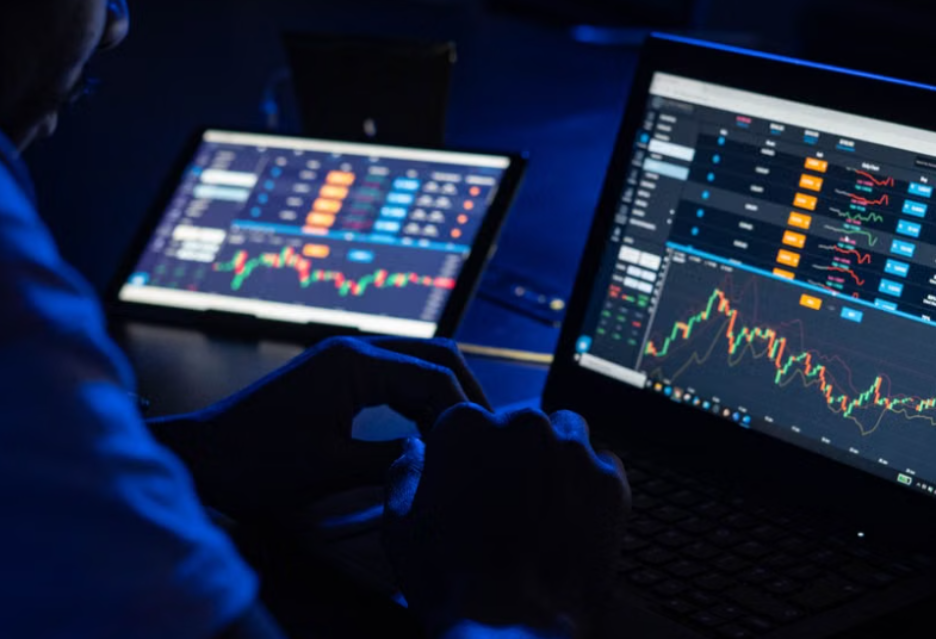
Market volatility refers to how much and how quickly an asset's price changes over a period. In forex, currency prices can move in response to new information, economic developments, market activity, and changes in supply and demand. When price movements become faster or larger, you may see bigger changes between one price point and another.
High volatility can affect the price at which you enter or exit a trade. It can also make it harder to predict where a currency pair may move next. As you respond to changing market conditions, you may also need to understand how certain order settings or platform features work. A help center can provide information about these functions when you need clarification.
Volatility can also connect with other trading challenges. For example, a fast price movement can affect order execution, while leverage can make the financial effect of a price change larger.
Other Factors That Can Affect Forex Trading
Market volatility is not the only factor that can shape your forex trading experience. Other parts of the trading process can affect how a position develops and how much exposure you have to changing market conditions.
1. Leverage and Margin Exposure
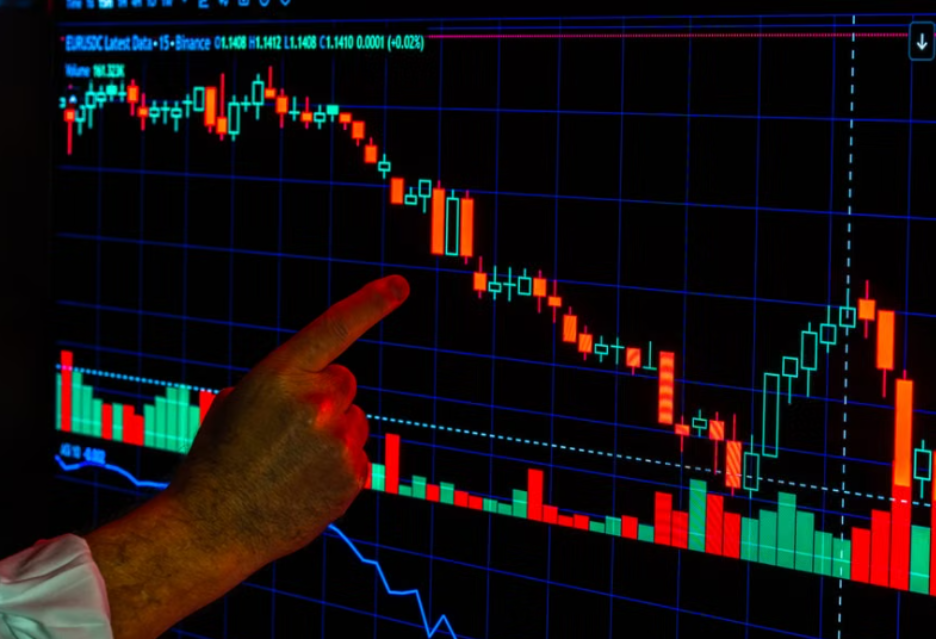
Leverage allows you to control a position that is larger than the amount of money you place as margin. Margin is the amount required to support a trading position, so both terms are closely connected to your market exposure.
Greater leverage can increase the effect of price movements on your account. A small change in a currency pair can therefore have a larger financial effect when a position uses higher leverage. Understanding the relationship between leverage, margin, and position size is an important part of understanding forex trading risk.
2. Spreads, Commissions, and Trading Costs
Trading a currency pair can involve costs that affect your overall trading result. A spread is the difference between the buying and selling price, while a commission is a separate charge that may apply to certain account types or trades.
These costs matter because you may enter and exit a position at prices that do not produce the same result as the simple price movement suggests. Account type, instrument, and trading conditions can affect the costs that apply.
3. Order Execution and Slippage
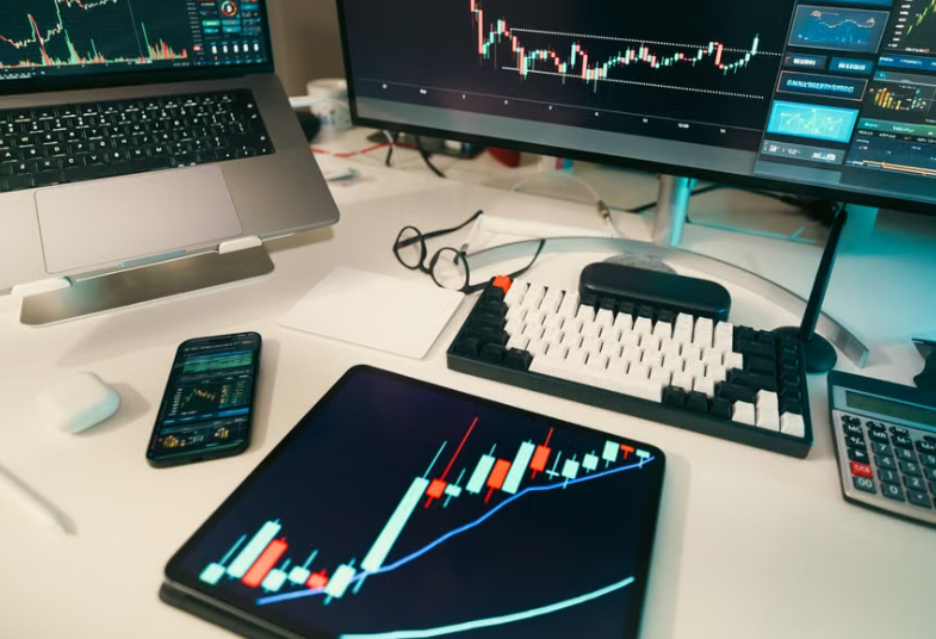
Order execution refers to the process through which your trading order is placed and filled. During fast market movements, the price available when your order reaches the market may differ from the price you expected.
That difference is known as slippage. Slippage can occur when prices change quickly or when market conditions affect the available price. As a result, the price you see when placing an order may not always match the final execution price.
Knowing how order types and execution work can help you understand why the final result of a trade may differ from your initial expectation.
4. Risk and Potential Losses
Forex trading involves the possibility of losing money. The size of a potential loss can depend on factors such as position size, leverage, margin, and the amount by which a currency pair moves.
A larger position can create a larger financial effect when the market moves against you. Stop-loss orders are one type of order that can be used as part of a risk plan. Trading platforms can also provide fields for setting position volume and Stop Loss or Take Profit levels when you place an order. Understanding these features helps you see how different order settings relate to the possible outcome of a trade.
5. Emotional Pressure and Quick Decisions
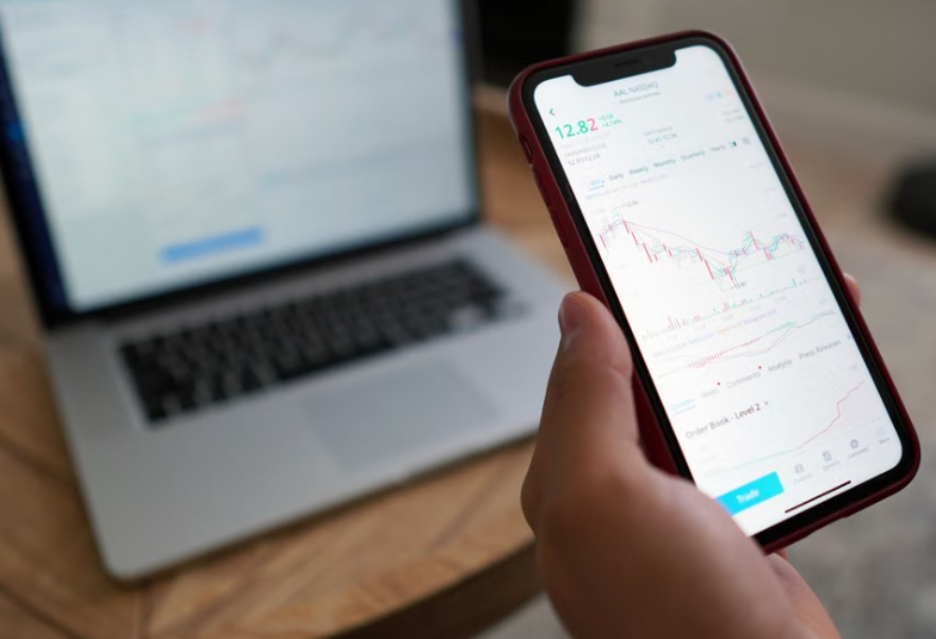
Price movements can create emotional pressure, especially when a trade moves against your expectations. A sudden gain may also encourage a quick decision based on the hope that the price continues in the same direction.
Losses can create another reaction: trying to recover money through another rushed trade. Such decisions can add another layer of risk to the market-related challenges already present in forex trading. Understanding emotional pressure is therefore part of understanding the wider trading environment.
Bottom Line
Forex trading involves more than watching whether a currency pair moves up or down. Market volatility can affect prices and execution, while leverage and margin can change your exposure to those movements. Trading costs can affect results, and slippage can create a difference between an expected price and an executed price.
Risk and emotional pressure add further factors to consider. Understanding how these challenges work and how they can overlap gives you a clearer picture of the forex trading environment. A broader view can also help you recognize that each trade is affected by several conditions, not just price direction.