
Southeast Asia has become an important region for electronic manufacturing services (EMS), supported by expanding industrial infrastructure, skilled labour, technological development, and growing investment. Among the countries contributing to this growth, Indonesia has strengthened its position as a manufacturing destination by developing its production capabilities and improving its connection to regional and international markets.
Indonesia’s Role in Electronics Manufacturing
Indonesia is one of Southeast Asia’s largest economies and has experienced continued industrial development across several sectors. As global companies look to diversify their manufacturing operations and reduce reliance on a limited number of production locations, Indonesia has attracted greater interest as an electronics manufacturing destination.
The growth of EMS manufacturing in Indonesia reflects the country’s efforts to expand its industrial capabilities and participate more actively in international supply chains. Local manufacturing companies, suppliers, and multinational businesses have contributed to the development of a broader electronics production ecosystem.
Infrastructure and Technology Development
Reliable infrastructure is essential for efficient electronics manufacturing. Indonesia has invested in industrial areas, transportation networks, logistics systems, and production facilities to support manufacturing activities.
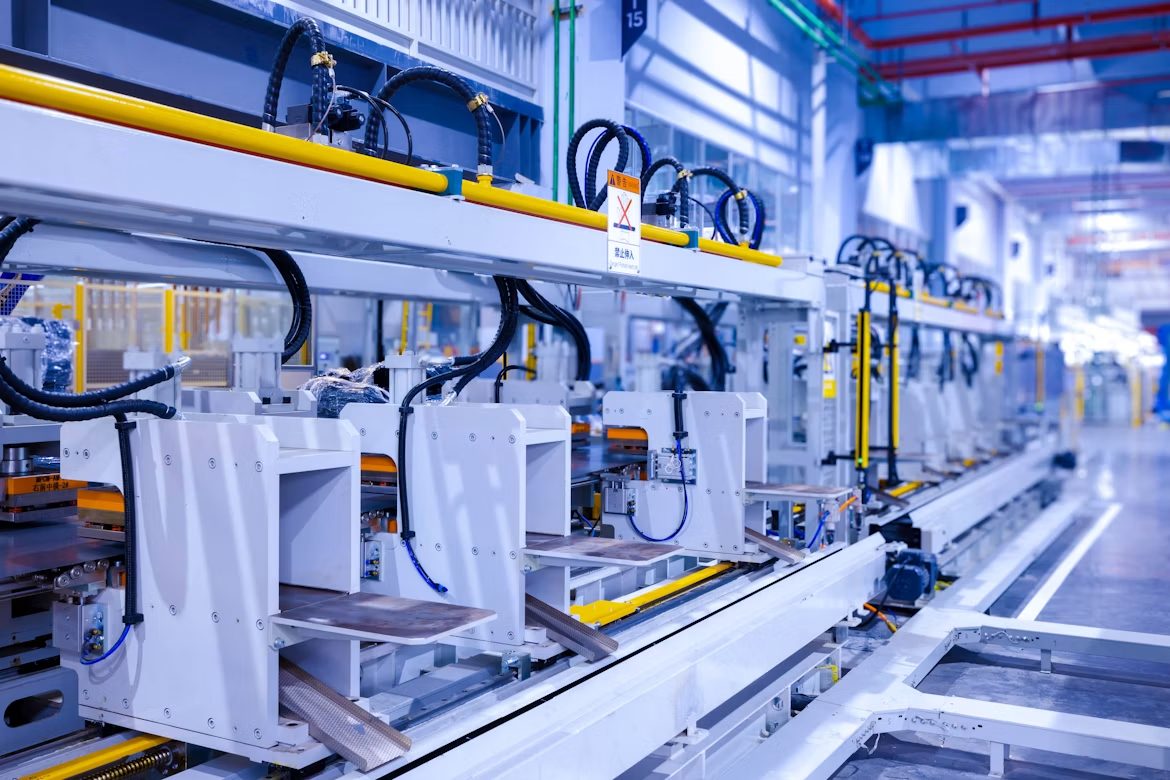
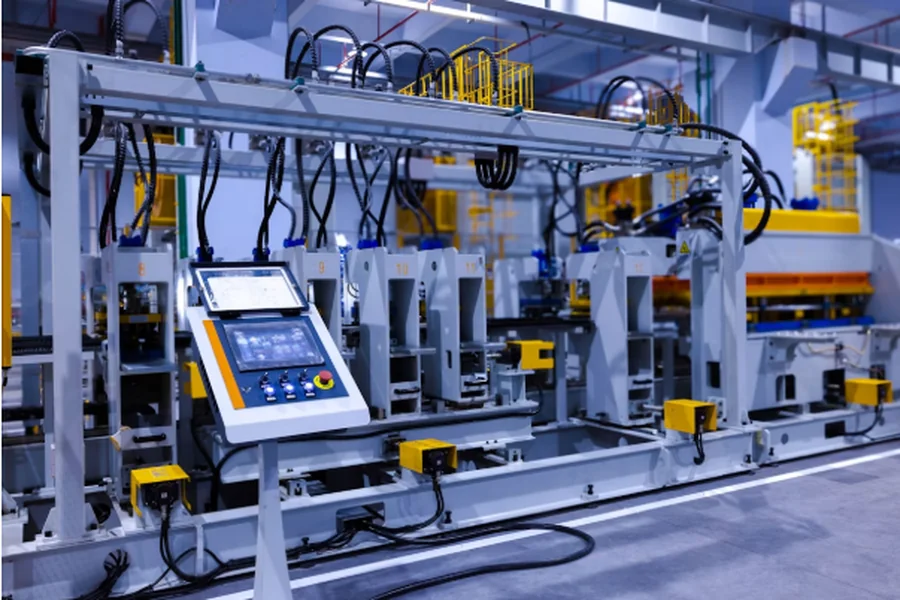
Advances in manufacturing technology have also influenced the development of the EMS sector. Modern production equipment, automated processes, quality-control systems, and digital manufacturing solutions allow companies to improve efficiency and maintain consistent production standards.
The combination of improved infrastructure and technology provides manufacturers with better support for managing production, inventory, logistics, and supply-chain operations.
Developing a Skilled Workforce
A skilled workforce is another important factor in the growth of Indonesia’s electronics manufacturing industry. Choosing the right partner for EMS manufacturing in Indonesia requires employees with knowledge of electronics, engineering, production processes, quality assurance, equipment operation, and technology.
Indonesia has expanded vocational education and industry-focused training programmes to help develop these skills. Partnerships between educational institutions and businesses can also provide workers with practical experience that aligns with manufacturing requirements.
Continued investment in workforce development allows the industry to respond more effectively to changes in production technology and increasing demand for specialised skills.
Strategic Location and Connectivity
Indonesia’s location provides access to major markets across Southeast Asia and beyond. Its position along important maritime trade routes supports the movement of components, finished products, and other manufacturing materials.
Efficient connectivity is particularly important for EMS companies because electronics production often involves complex international supply chains. Components may come from different countries before being assembled, tested, packaged, and distributed to customers.
Improved transportation and logistics infrastructure can therefore help manufacturers manage supply chains more efficiently while supporting international trade and investment.
Government Support and Investment
Government policies also influence the development of Indonesia’s manufacturing sector. Measures such as investment incentives, industrial development programmes, regulatory improvements, and support for research and development can encourage companies to establish or expand production operations.
A stable and supportive business environment is particularly important for multinational manufacturers when selecting locations for new facilities or expanding existing operations. Continued policy improvements can help Indonesia attract investment while strengthening its participation in regional and global electronics supply chains.
Sustainability in Electronics Manufacturing
Environmental considerations are becoming increasingly important across the manufacturing industry. EMS companies are expected to manage energy consumption, waste, emissions, and resource use while maintaining production efficiency.
Manufacturers in Indonesia are increasingly adopting practices designed to reduce environmental impact. These may include improved waste management, more efficient production systems, responsible use of materials, and compliance with relevant environmental standards.
Sustainable manufacturing can also help companies meet the environmental requirements of international customers and supply-chain partners.
Challenges in the EMS Sector
Despite its growth potential, Indonesia’s EMS industry continues to face several challenges. Infrastructure limitations in certain areas, regulatory requirements, supply-chain disruptions, and changes in global economic conditions can affect manufacturing operations.
Competition from other manufacturing centres in Southeast Asia also requires Indonesian companies to maintain competitive costs, production quality, delivery times, and technological capabilities.
Addressing these challenges will require continued investment in infrastructure, workforce development, technology, and supply-chain efficiency.
Automation and Emerging Technologies
Technology is expected to remain a major influence on the future of EMS manufacturing in Indonesia. Automation, artificial intelligence, robotics, and the Internet of Things are changing how electronics are produced, monitored, and tested.
Automated equipment can perform repetitive production tasks with greater consistency, while connected systems can provide manufacturers with real-time information about production performance. Artificial intelligence can also support quality control, predictive maintenance, and production planning.
As these technologies become more accessible, Indonesian EMS companies can use them to improve productivity and respond to increasingly complex manufacturing requirements.
Partnerships and Supply-Chain Collaboration
Collaboration between local manufacturers, international companies, suppliers, technology providers, and educational institutions can strengthen Indonesia’s EMS ecosystem.
Partnerships allow businesses to share technical expertise, improve production capabilities, and develop more efficient supply chains. Stronger relationships between local and international companies can also create opportunities for technology transfer and workforce development.
A well-connected manufacturing ecosystem can help companies respond to changes in customer demand and global market conditions.
The Future of EMS Manufacturing in Indonesia
Indonesia’s EMS sector has considerable potential as electronics production continues to expand across Southeast Asia. Its large economy, strategic location, developing infrastructure, growing workforce, and increasing adoption of technology provide a foundation for further industrial development.
Future growth will depend on how effectively manufacturers and policymakers address infrastructure gaps, improve regulatory processes, develop technical skills, and adopt new production technologies. With continued investment and collaboration, Indonesia can strengthen its position within regional and global electronics supply chains.
The development of EMS manufacturing in Indonesia represents an important part of Southeast Asia’s broader shift towards advanced electronics production. As manufacturers adapt to technological and market changes, Indonesia is positioned to play a growing role in the region’s electronics manufacturing landscape.