
Modern technology is often associated with electronics, software, and automation, but mechanical and fluid power engineering remain fundamental to many industrial systems. Hydraulic technology is a particularly important example because it allows relatively controlled mechanical input to be converted into fluid power capable of producing significant force.
Behind hydraulic equipment is a combination of fluid mechanics, mechanical engineering, materials science, precision manufacturing, and pressure control. These technologies continue to evolve as engineers develop systems that are more compact, efficient, reliable, and easier to integrate with automated equipment.
One of the simplest examples of this technology is the hydraulic hand pump, which demonstrates how mechanical input can be transformed into controlled hydraulic energy.
The Technology Behind Hydraulic Power
A hydraulic system uses a fluid medium to transmit energy from one part of a system to another. Unlike mechanical systems that rely primarily on gears, belts, or shafts, hydraulic systems use pressurised fluid to transfer force.
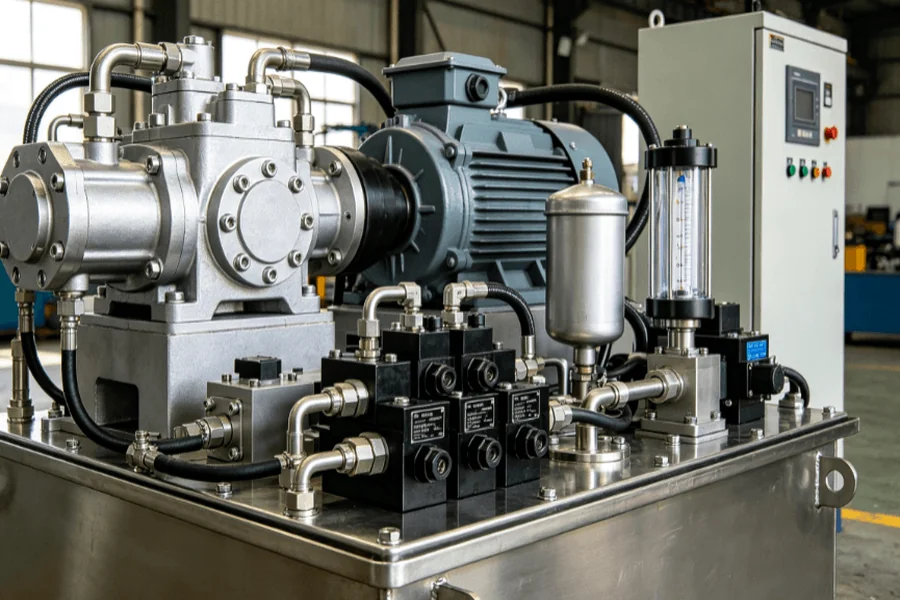
The basic technology involves several interconnected components. A pump moves hydraulic fluid, valves control its direction and flow, and actuators convert hydraulic energy back into mechanical movement.
This creates a complete energy conversion process:
Mechanical input → hydraulic flow → controlled pressure → mechanical output
The efficiency of this process depends on pump design, fluid characteristics, component tolerances, sealing technology, and pressure management.
How Manual Hydraulic Pump Technology Works
A manual hydraulic system demonstrates the fundamental principles of fluid power without requiring an electric motor.
When an operator moves the pump handle, mechanical force is transferred to an internal piston or plunger. The piston changes the volume of a pumping chamber, causing hydraulic fluid to move through inlet and outlet valves.
During one part of the operating cycle, fluid enters the chamber from a reservoir. During the opposite movement, the fluid is forced toward the hydraulic circuit.
Check valves are important because they control the direction of fluid movement. By preventing unwanted reverse flow, they allow successive pump strokes to build and maintain hydraulic pressure.
This operating principle is a practical example of positive displacement pump technology, where a defined volume of fluid is displaced during each pumping cycle.
Single Acting and Double Acting Technology
Hydraulic pump engineering can be divided into different configurations depending on how fluid is displaced.
A single acting design produces useful fluid displacement during one direction of the pumping cycle. During the return movement, the mechanism prepares for the next pressure stroke.
A double acting design can deliver fluid during both directions of handle movement. This increases the amount of fluid delivered per operating cycle and can improve productivity in applications requiring repeated movement.
The selection between these technologies depends on the hydraulic circuit, required flow characteristics, actuator configuration, and operating conditions.
Understanding these differences is important when designing or specifying a hydraulic system because pump characteristics must match the requirements of the connected equipment.
Two Stage Pump Technology
Modern hydraulic engineering also uses multi stage pumping technology to balance speed and pressure.
A two stage pump can provide a higher flow rate during the initial low pressure phase. Once resistance increases and the system reaches a higher pressure range, the pump can transition to a lower flow rate suitable for high pressure operation.
This approach allows a hydraulic actuator to move relatively quickly during its initial travel while still providing controlled pressure when greater force is required.
The technology demonstrates an important engineering principle: hydraulic systems do not always need maximum pressure and maximum flow at the same time.
By designing different operating stages, engineers can improve overall efficiency and reduce unnecessary manual or mechanical input.
Pressure Control Technology
Pressure control is one of the most important aspects of hydraulic engineering.
Hydraulic systems must operate within defined pressure limits. Excessive pressure can place stress on hoses, seals, fittings, valves, cylinders, and pump components.
Pressure relief valves are therefore incorporated into many hydraulic systems. These valves provide a controlled route for fluid when pressure reaches a predetermined level.
Pressure gauges can also provide information about system conditions. In more advanced hydraulic equipment, electronic pressure sensors can replace or supplement traditional mechanical indicators.
These sensors can send pressure data to control systems, allowing equipment to monitor operating conditions in real time.
Materials and Manufacturing Technology
The performance of hydraulic equipment is strongly influenced by manufacturing technology and material selection.
Pump bodies, pistons, valves, shafts, and other components must withstand repeated mechanical loads and contact with hydraulic fluids. Engineers therefore consider hardness, strength, corrosion resistance, fatigue resistance, and dimensional stability when selecting materials.
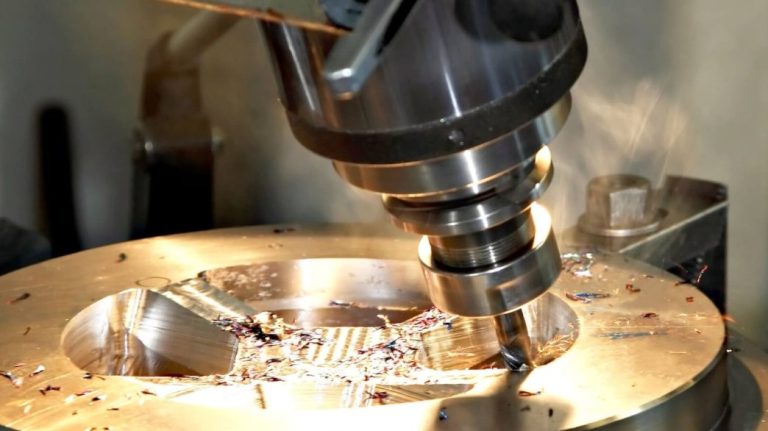
Precision machining is equally important. Internal components must be manufactured within controlled tolerances to ensure proper movement and sealing.
Computer numerical control machining allows manufacturers to produce complex components with consistent dimensions. Grinding and surface finishing technologies can further improve the contact surfaces used within hydraulic mechanisms.
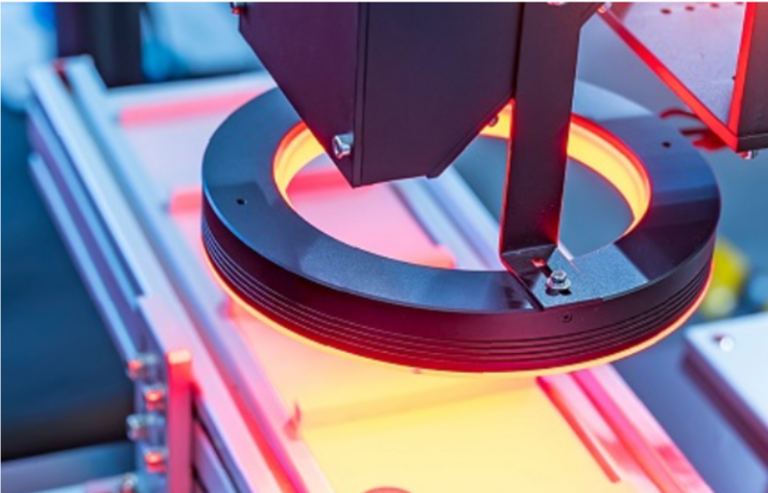
Advanced inspection systems can then verify component dimensions before assembly.
This relationship between design software, precision manufacturing, and automated inspection is an important part of modern mechanical technology.
Sealing Technology in Hydraulic Systems
Hydraulic systems depend heavily on sealing technology.
Hydraulic fluid must remain inside the intended circuit while contaminants and air are prevented from entering critical areas. Even a small leak can reduce system efficiency and affect pressure stability.
Engineers therefore select seals according to pressure, temperature, fluid compatibility, movement, and operating environment.
Modern sealing materials are designed to provide resistance against wear and chemical degradation while maintaining controlled contact with moving surfaces.
The design of seals is particularly important around pistons and other reciprocating components because these areas experience continuous movement under pressure.
Hydraulic Technology and Automation
Hydraulic systems are increasingly integrated with automation technology.
Traditional hydraulic equipment can be controlled manually through mechanical valves, but modern systems can incorporate electronic sensors, proportional valves, programmable controllers, and automated monitoring.
A pressure sensor, for example, can measure hydraulic pressure and send information to a controller. The controller can then adjust a valve or trigger another operation based on predefined conditions.
This combination of hydraulic power and electronic control is common in industrial automation, mobile machinery, manufacturing equipment, and advanced machine systems.
The hydraulic components provide physical force, while electronic systems provide precision and control.
Digital Monitoring and Predictive Maintenance
Digital technology is also changing how hydraulic systems are maintained.
Sensors can monitor pressure, temperature, flow, vibration, and other operating parameters. This information can be collected and analysed to identify changes in system behaviour.
For example, an unusual pressure pattern may indicate a developing issue with a valve, pump, actuator, or hydraulic circuit.
Instead of relying exclusively on fixed maintenance intervals, industrial operators can use condition monitoring to determine when equipment requires inspection or servicing.
This approach forms part of predictive maintenance technology, where operational data is used to identify potential problems before they result in significant equipment downtime.
Portable Hydraulic Technology
Portability is another important area of hydraulic engineering.
Not every hydraulic application has access to electrical power or a permanently installed hydraulic power unit. Compact manually operated systems can provide an independent method of generating hydraulic pressure.
A hydraulic hand pump can therefore serve as a practical example of self contained fluid power technology. It converts operator supplied mechanical energy into hydraulic energy without requiring an electric motor.
The same fundamental engineering concepts found in larger hydraulic power systems remain relevant, including fluid displacement, pressure control, valve operation, sealing, and material selection.
The Future of Hydraulic Engineering
The future of hydraulic technology is likely to involve greater integration with digital systems.
Smart sensors, electronic controls, advanced materials, improved manufacturing processes, and data analysis can help hydraulic equipment become more efficient and responsive.
Digital twins may also allow engineers to create virtual representations of hydraulic systems and analyse their behaviour under different operating conditions.
At the same time, improvements in manufacturing precision can enable smaller and more efficient hydraulic components. Advanced surface treatments and improved sealing materials may further increase component life.
The technology is therefore moving toward a combination of established fluid power principles and modern digital engineering.
Conclusion
Hydraulic technology demonstrates how mechanical engineering, fluid mechanics, materials science, manufacturing, and digital control can work together within a single system.
From piston and valve mechanisms to pressure sensors and automated controllers, every component contributes to the conversion and management of energy. Even relatively simple manual hydraulic systems demonstrate the same fundamental principles that support sophisticated industrial hydraulic technology.
As engineering continues to advance, hydraulic systems will increasingly combine reliable mechanical designs with sensors, electronic controls, precision manufacturing, and intelligent monitoring. This evolution will allow fluid power technology to remain an important part of modern industrial and mechanical engineering.