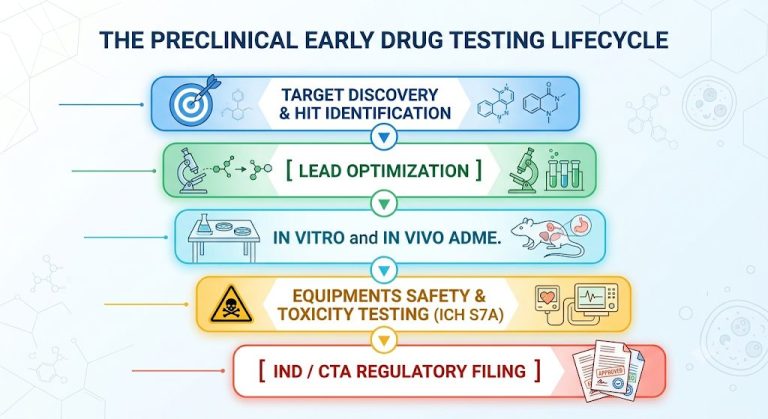

Most medicine starts as a hunch. Somebody suspects a compound might help, and years of work follow to prove it or bury it. Mostly bury it. The pipeline is long, and it loses nearly everything that enters it. That’s the part the headlines skip. A drug that reaches the pharmacy shelf has survived lab work, small human tests, big human tests, and a regulator with a red pen. Anyone hoping for speed picked the wrong field. What looks like a sudden breakthrough usually took fifteen years and a lot of bad coffee. The studies running right now will decide what a doctor can prescribe in 2040.
Volunteers Do the Heavy Lifting
Eventually, a treatment has to go into an actual person. Animal data only goes so far. Volunteers make that step possible, and the field leans on them harder than it admits. For anyone weighing joining a clinical trial, hesitation makes sense, because it isn’t a small decision. Candidates should ask about the risks and who monitors them. Good trials put the answers in writing, along with how to quit if things go sideways. Some volunteers get a new therapy early. Others get the current standard of care, which still helps the science and often helps them too. Recruitment remains the bottleneck. Plenty of studies stall for a year because too few people sign up, and that delay costs real patients real time.
More Data, Same Judgment
Researchers now work with record sets that would have crushed a spreadsheet in 1995. Wearables log heart rhythms around the clock. Hospital databases cover millions of patients. A pattern that once took a decade to confirm can surface in two years. Fine, but the software doesn’t understand anything. It finds correlations, and a person still has to decide whether they mean something. Plenty don’t. Ice cream sales rise with drowning rates, after all. Used carefully, though, the data already helps flag patients at risk for diabetes and points doctors toward who needs screening sooner. Less guessing. Not zero guessing.
Treatment That Fits the Patient
Medicine ran on averages for a long time. If a drug worked for most people, it became standard, and the rest got a shrug. Newer studies look at genes and tumor traits to explain why two similar patients respond differently. Cancer care leads here. A lab can test a tumor, find the mutation driving it, and match a drug to that mutation. Side effects often drop, and results often improve. It isn’t magic. Plenty of cancers still lack a good target. But the direction is clear, and the old habit of trying one thing and waiting is fading.
Fixing the Gaps
Research also has to clean up its own mess. For decades, trials enrolled mostly men, then applied the results to everyone. Women and older adults ended up with dosing and warnings built on data that barely included them. Newer studies push for broader enrollment, and journals push harder on transparency. Results have to hold up when someone else repeats the work. When they don’t, doctors drop the finding. That’s humbling, and it’s also the system working. A flashy result that collapses on a rerun does less harm when someone catches it early.
What to Expect
Don’t expect one big leap. Progress comes as small corrections stacked over years, most of them invisible to the public. Some trials will fail outright. That’s normal, and the failures save later researchers from repeating them. The next time a study makes the news, check the sample size and the funding source before getting excited. Then wait for the second study. Medicine rewards patience, and nothing else works as well.