

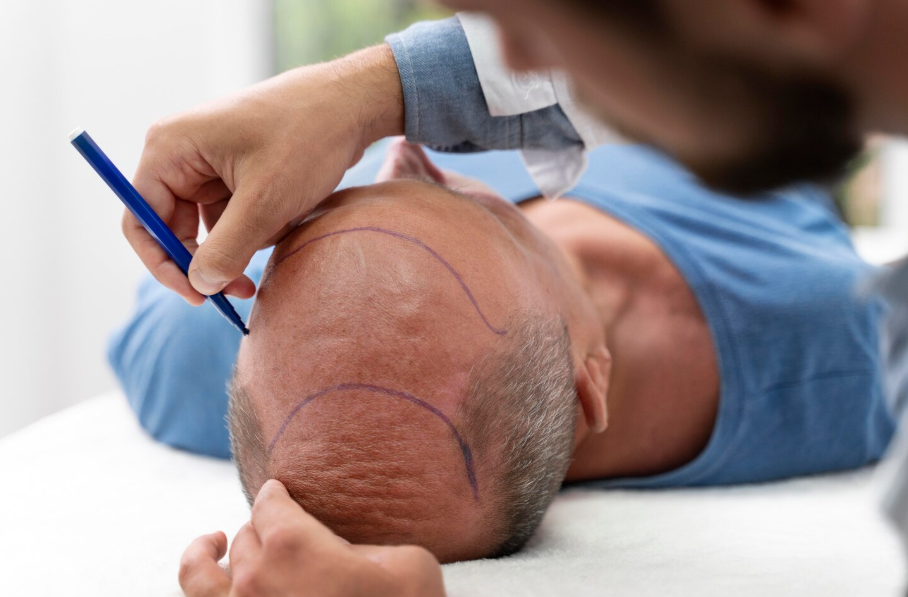
In recent years, the Follicular Unit Extraction (FUE) technique has become an established method in modern hair transplantation. Pioneering clinics such as Sage Medical Clinic have set the standard for this minimally invasive procedure. This approach to hair transplantation offers a solution for those seeking to address hair loss with efficient and lasting results.
What is FUE Hair Transplant?
FUE hair transplant involves the extraction and transplantation of individual hair follicles from a donor area, usually the back of the head, to the recipient area where hair thinning or baldness has occurred. Unlike the older strip method, which involves removing a strip of scalp, FUE allows for the extraction of follicles one by one using a micro punch tool that typically measures between 0.7 mm and 1.0 mm in diameter.
The Procedure Process
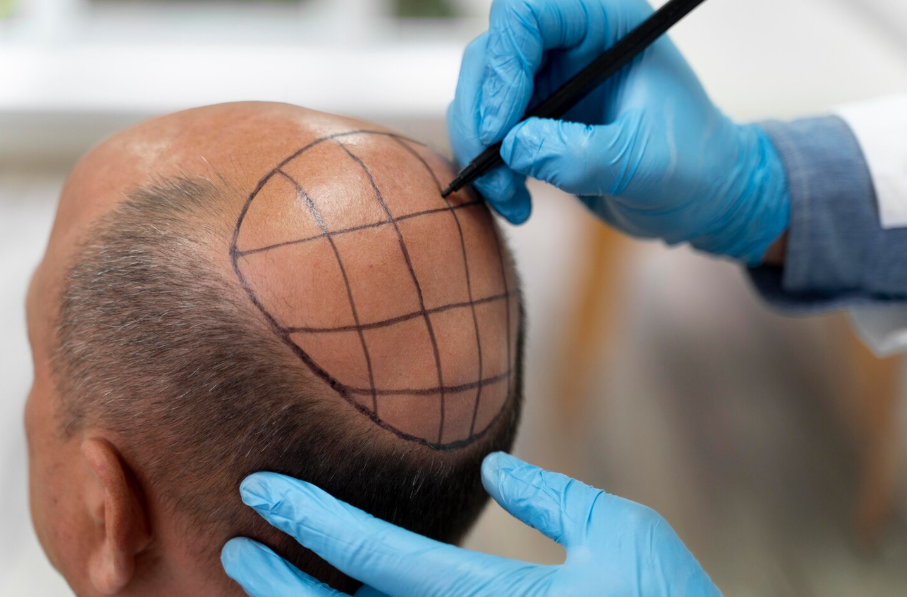
The FUE hair transplant process begins with a consultation, where the surgeon evaluates the patient's hair loss pattern and determines the number of grafts required. The procedure itself is conducted under local anaesthesia. The extraction phase is meticulously performed to ensure minimal damage to the hair follicles and surrounding tissue. Once extracted, the follicles are prepared and carefully implanted into the recipient site to replicate natural hair growth patterns.
Advantages of FUE Hair Transplant
One of the primary benefits of FUE hair transplantation is that it typically leaves small, scattered scars rather than the linear scar associated with the strip method. Furthermore, the recovery time for FUE is significantly shorter, allowing patients to resume their daily activities with minimal downtime. Additionally, the precision of the FUE method allows for a more natural hairline and even distribution of hair, enhancing aesthetic results.
Suitability for Different Candidates
FUE hair transplantation is suitable for men and women experiencing various degrees of hair loss. However, the success of the procedure heavily depends on the health and availability of donor hair. Patients with a higher density of hair follicles in the donor area typically are ideal candidates. Additionally, FUE is a viable option for those who wish to cover scars from previous surgeries or injuries, effectively providing dual benefits of hair restoration and scar camouflage.
Potential Risks and Side Effects
As with any surgical procedure, FUE hair transplant comes with potential risks and side effects. Some patients may experience temporary swelling, redness, or discomfort at the donor and recipient sites. There is also the possibility of infection, although this is rare with proper post-operative care. Shock loss, where transplanted hair temporarily falls out before regrowing, is a common occurrence and should not be a cause for alarm, as it typically leads to new, permanent hair growth within a few months.
Post-Procedure Care and Maintenance
After an FUE hair transplant, careful post-operative care is crucial to ensure optimal healing and hair growth. Patients are usually advised to avoid strenuous activities, direct sunlight, and activities that can cause sweating for a few weeks post-surgery. It is also important to follow the clinic's instructions for washing the hair and scalp to prevent dislodging the newly implanted follicles.
The Role of Technology in FUE
Technology plays a significant role in enhancing the precision and outcomes of FUE hair transplants. The development of advanced robotic systems and sophisticated microscopic tools allows surgeons to conduct the procedure with greater accuracy and efficiency. Depending on the technology used, these tools may assist surgeons with graft extraction and placement, potentially improving procedural precision and efficiency.
The Psychological Impact of Hair Restoration
Hair loss can have a profound psychological impact on individuals, affecting self-esteem and confidence. FUE hair transplant offers more than just a physical restoration of hair; it provides a boost in morale and self-image. Many patients report a renewed sense of confidence post-transplant, as the procedure helps them feel more comfortable in social and professional settings.
Future Trends in Hair Transplantation
The field of hair restoration continues to evolve with ongoing research and technological advancements. Future trends may focus on improving the efficiency and accessibility of FUE procedures, as well as exploring stem cell research and hair cloning techniques. These innovations hold the potential to further revolutionise hair transplantation, providing even more customised and effective solutions for hair loss.
Choosing a Hair Transplant Clinic
Selecting the right clinic and surgeon is crucial for a successful FUE hair transplant. Prospective patients should consider factors such as the clinic's reputation, surgeon's experience, and the technologies available. It is essential to have a thorough consultation to understand the individualised plan and expected outcomes. Transparency about the possibilities and limitations of FUE provides realistic expectations and satisfaction.
In summary, the FUE hair transplant is a transformative solution for those dealing with hair loss, offering minimal scarring, faster recovery, and natural-looking results. As technology and expertise continue to play pivotal roles in enhancing the procedure's effectiveness, the future of hair transplantation holds promising prospects for those seeking aesthetic rejuvenation and confidence restoration.