
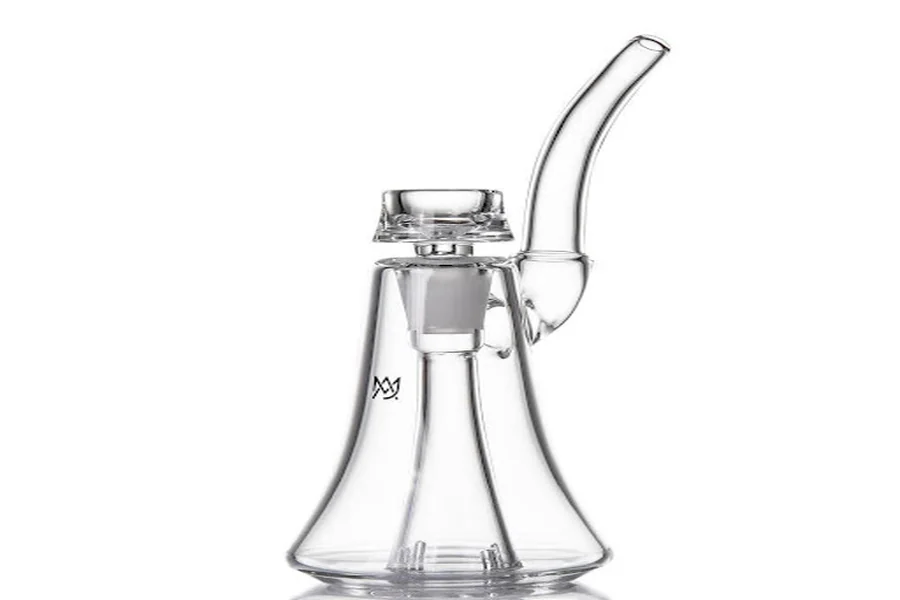
A bubbler bong combines the compact shape of a hand-held glass piece with a water chamber integrated into its design. Its distinctive construction, variety of shapes, and decorative glasswork have made it a recognisable product in the wider glass accessories market. From minimalist transparent models to colourful pieces with intricate internal details, bubblers are available in designs that appeal to different preferences and collections.
Choosing a bubbler bong involves more than finding an attractive design. Glass quality, chamber construction, overall dimensions, ease of cleaning, and replacement-part compatibility can all affect the product’s practicality and long-term value. Understanding these features makes it easier to compare different models and identify the characteristics that matter most before making a purchase.
This guide explores bubbler bong designs, explains the materials commonly used in their construction, compares them with other glass water pipes, and covers the maintenance considerations buyers should understand.
What Is a Bubbler Bong?
A bubbler bong is a compact water pipe that combines a bowl or material-holding component, an airflow pathway, and a water chamber within one connected structure. Unlike many larger water pipes that use separate sections, a bubbler often has an integrated design that gives it a distinctive silhouette. Depending on the model, it may include a curved mouthpiece, a rounded chamber, a fixed stem, or removable components.
Glass is a popular material for bubblers because it allows manufacturers to create intricate shapes while keeping the internal structure visible. Clear glass reveals the chamber’s construction, while coloured glass and decorative finishes provide additional visual variety. Some designs prioritise a simple appearance, whereas others feature sculpted details or multiple internal pathways.
The term bubbler bong is sometimes used broadly in product listings, and sellers may use bubbler and water pipe interchangeably. However, designs can differ in size, structure, and included components. Reviewing the product specifications and photographs is therefore more reliable than choosing based on the product name alone.
How Does a Bubbler Bong Differ From a Traditional Bong?
The main difference between a bubbler and a traditional bong is generally its size and construction. A bubbler usually combines its main components into a relatively compact structure, while many traditional bongs have a taller body, a separate downstem, or a removable bowl. These differences affect storage, handling, cleaning access, and the product’s overall appearance.
A traditional bong may provide more space for larger chambers or additional components. A bubbler, by comparison, often focuses on a smaller footprint and a more integrated shape. Neither format is automatically better; each has practical advantages and limitations depending on the design.
| Feature | Bubbler bong | Traditional bong |
| Overall size | Commonly compact | Available in medium and large formats |
| Construction | Often integrated | May use several removable components |
| Storage | Often requires less space | May require more vertical clearance |
| Cleaning access | Can be challenging in curved sections | Depends on chamber and joint design |
| Design variety | Curved, compact, and sculptural forms | Straight tubes, beaker bases, and complex designs |
| Portability | Often easier to store and carry carefully | Depends on size and construction |
When comparing the two, consider the actual dimensions rather than assuming every bubbler is smaller than every traditional bong. Some bubblers have complex shapes, and some traditional water pipes are designed to be relatively compact.
Popular Types of Bubbler Bongs
Bubbler bongs are available in several distinct styles. Their shapes influence their appearance, storage requirements, and the accessibility of internal sections during cleaning. Understanding these differences helps buyers compare designs more effectively.
1. Classic Glass Bubblers
Classic glass bubblers feature a rounded chamber and a curved or angled mouthpiece. Their simple construction gives them a familiar appearance without relying on elaborate decorative elements. Many models use transparent glass, making the chamber and connecting pathways easy to see.
The appeal of this design lies in its straightforward visual style. A clean silhouette can suit a collection that prioritises traditional glass craftsmanship over bold colours or complex shapes. Some models feature a fixed bowl and stem, while others include removable components that can be replaced separately.
When comparing classic bubblers, examine the base, mouthpiece, and connection points. Smooth edges and consistent glass construction are important details, while a stable base can help reduce accidental tipping. Also consider whether the internal chamber can be cleaned without difficulty.
2. Hammer-Style Bubblers
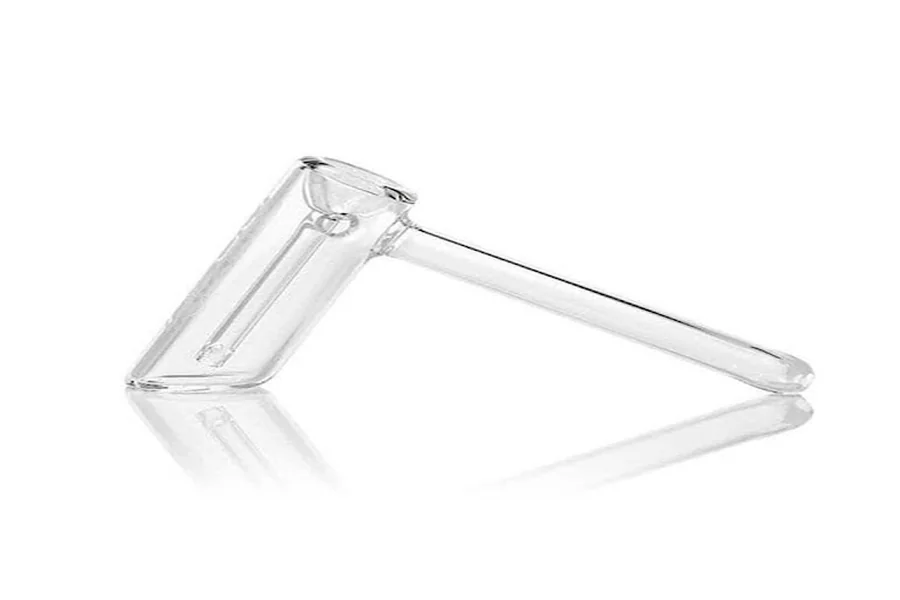
Hammer-style bubblers have a horizontal or angled profile that resembles the shape of a small hammer. The chamber extends from the main body, creating a distinctive silhouette compared with more upright designs. Depending on the model, the handle-like section may incorporate the mouthpiece or part of the airflow pathway.
This shape can make a bubbler visually distinctive, but its proportions deserve attention. A design with an extended chamber may distribute its weight differently from a compact, rounded model. Buyers should inspect the base and overall balance rather than assuming that a particular shape guarantees stability.
The internal layout also matters. Curved sections and narrow openings can make cleaning more demanding, especially if the design has limited access points. Product descriptions that explain the chamber structure and recommended cleaning procedure are particularly useful when comparing hammer-style options.
3. Sherlock-Style Bubblers
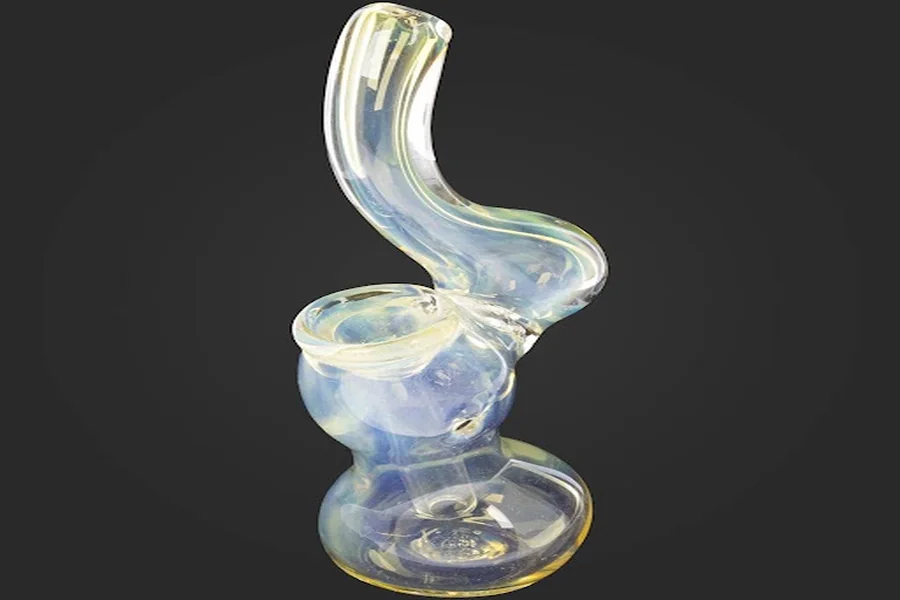
Sherlock-style bubblers feature an elegant curved profile inspired by traditional curved smoking pipes. Their extended stem and sculpted chamber give them a recognisable appearance, making them popular among people who appreciate distinctive glass designs. Some examples are relatively minimal, while others incorporate coloured glass, decorative accents, or elaborate shaping.
The curved construction creates a different set of practical considerations from a straight-sided model. The shape may influence how the product sits on a surface, how easily it can be stored, and how accessible the internal sections are during cleaning. A visually appealing curve should therefore be evaluated alongside its practical design.
Look closely at the mouthpiece finish, chamber thickness, and connection areas. If the product includes detachable parts, verify that the seller specifies their dimensions and replacement options. These details can help you assess the product beyond its appearance.
4. Mini Glass Bubblers
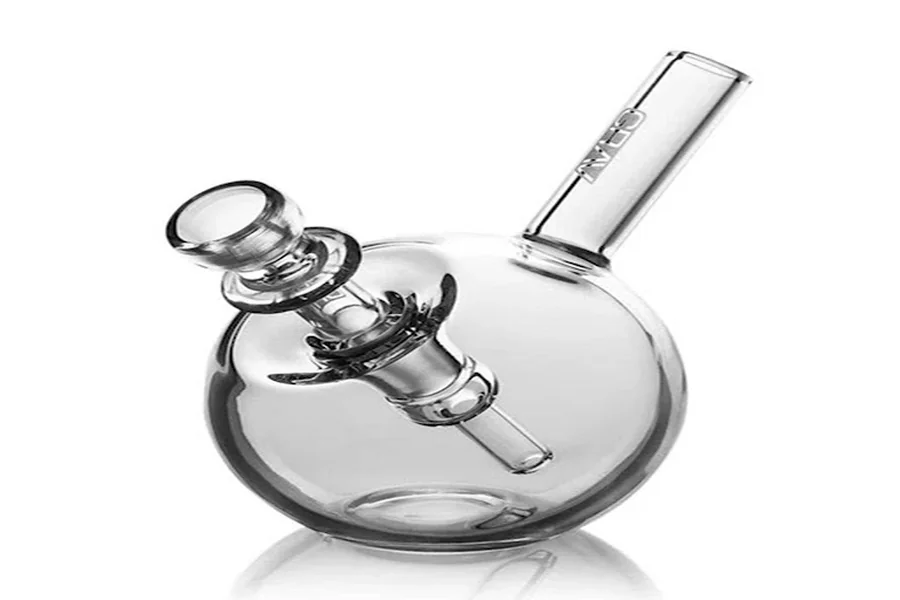
Mini bubblers are designed with compact dimensions and a smaller overall footprint. Their reduced size can make them easier to store in a cabinet or display alongside other glass accessories. They may feature simple rounded chambers or more elaborate designs in a smaller format.
Compact construction does not necessarily mean that a product is more durable. Smaller glass pieces can still contain delicate joints, narrow openings, and thin sections that require careful handling. Buyers should examine material specifications and construction quality instead of treating size as a measure of strength.
Before choosing a mini bubbler, check its height, width, weight, and opening dimensions. Consider how it will be stored and whether its internal sections can be cleaned effectively. A compact product should still provide enough access for appropriate maintenance.
Why Is Borosilicate Glass Important?
Borosilicate glass is commonly used in specialist glassware because it has a relatively low coefficient of thermal expansion. Compared with ordinary soda-lime glass, it generally tolerates temperature changes better under comparable conditions. This property can be valuable in products exposed to changes in temperature, although it does not make the glass resistant to every form of damage.
The performance of a glass bubbler depends on more than its material composition. Glass thickness, manufacturing quality, joint design, and the presence of stress points can influence its durability. Even a product made from borosilicate glass may crack if dropped, struck against a hard surface, or exposed to sudden temperature changes.
Some bubblers use coloured glass, decorative coatings, or multiple glass components. Buyers should check whether these features affect cleaning requirements or require special care. A reputable manufacturer should provide clear information about the materials used and the recommended maintenance procedure.
Avoid assuming that a product is made from borosilicate glass simply because it looks transparent or has a premium finish. Look for an explicit material description in the product specifications. Clear documentation is more useful than vague claims about quality or durability.
Important Features to Consider Before Buying a Bubbler Bong
A good product comparison starts with practical details. Size, stability, glass quality, internal structure, and cleaning access all influence how a bubbler can be handled and maintained. Focusing on these characteristics can help buyers avoid products that look appealing but prove inconvenient in everyday storage and care.
Glass Thickness and Build Quality
Glass thickness is one factor to consider when assessing construction. A thicker section may provide more material around a particular area, but thickness alone does not guarantee durability. Uneven glass, poorly finished joints, or an unstable base may still create weaknesses.
Examine the connection points where different glass sections meet. These areas should have a consistent finish and should not show visible cracks, chips, or manufacturing defects. If purchasing online, review close-up photographs and ask the seller for additional details when important specifications are missing.
The mouthpiece also deserves attention because its edge and shape influence handling comfort. Smoothly finished edges are preferable to rough or irregular surfaces. If the product arrives damaged, avoid using it and follow the seller’s return or replacement procedure.
Chamber Design and Cleaning Access
The chamber determines the internal layout of the bubbler. Some models feature a simple, open structure, while others contain curved passages or multiple sections. These design differences can affect how easily residue is identified and removed.
A complex internal structure may look impressive, but it can also make maintenance more demanding. Narrow openings and enclosed pathways may require specialised cleaning tools or a manufacturer-approved cleaning method. Review the available cleaning instructions before buying rather than discovering these limitations after purchase.
Transparent glass can make visible buildup easier to identify. However, visibility alone does not ensure that every internal surface is accessible. A practical design balances appearance with a structure that can be maintained according to the manufacturer’s instructions.
Size, Weight, and Stability
Bubblers vary in height, width, and weight. Some have a low, rounded profile, while others feature long curved stems or extended chambers. These proportions affect storage requirements and the amount of space needed to handle the product safely.
Check the base dimensions and the product’s centre of gravity. A compact item may still tip easily if it has a narrow base or an uneven weight distribution. A stable design is particularly important when selecting a glass product that will sit on a shelf or table.
Before purchasing, measure the available storage space and compare it with the listed dimensions. Include room for safe handling and protective packaging. These straightforward checks can prevent problems caused by unexpectedly large or awkward shapes.
Joint Compatibility and Replacement Parts
Some bubbler designs feature removable bowls, stems, or other components. These parts may use specific joint sizes or connection styles, so compatibility should never be assumed based on appearance alone.
Check the manufacturer’s specifications for the exact dimensions and connection type. Confirm whether replacement components are available and whether they are sold individually. If an accessory is included in the product listing, verify that it is compatible with the specific model.
Replacement-part availability can influence long-term value. A product with clearly documented components may be easier to maintain than one that depends on unusual parts with limited availability. Keep the product information available for future reference if replacement accessories become necessary.
Glass Bubbler vs. Silicone Bubbler
Glass and silicone bubblers offer different material characteristics. Glass is rigid and can showcase detailed transparent designs, while silicone is flexible and generally more resistant to breakage from everyday impacts. The right choice depends on the intended application, maintenance requirements, and personal preferences.
| Feature | Glass bubbler | Silicone bubbler |
| Structure | Rigid | Flexible |
| Breakage | Can crack or shatter | Generally more impact-resistant |
| Appearance | Transparent, coloured, or sculptural | Often opaque or brightly coloured |
| Cleaning | Depends on shape and compatible cleaning products | Depends on silicone quality and manufacturer guidance |
| Storage | May need protective packaging | Often easier to pack into compact spaces |
| Main consideration | Fragility and careful handling | Material quality and chemical compatibility |
Glass may appeal to buyers who value visual clarity and traditional glass craftsmanship. Silicone can be a practical alternative in settings where flexibility and impact resistance are priorities. However, neither material should be considered automatically superior in every application.
When evaluating a silicone product, check the manufacturer’s material disclosures and cleaning instructions. When choosing glass, examine the thickness, joint quality, and storage requirements. Comparing the complete product rather than one material characteristic gives a more accurate picture of its suitability.
How to Clean and Maintain a Bubbler Bong
Regular cleaning helps prevent residue from accumulating inside a bubbler’s chamber and connecting pathways. The curved design of some models can make maintenance more challenging than it is with simple, open glassware. Following the correct procedure can help preserve the glass and reduce the risk of accidental damage.
Begin by emptying the chamber and removing only the components that the manufacturer identifies as detachable. Work over a secure surface and handle the glass carefully, especially around the mouthpiece and joints. Avoid cleaning a product while it is hot or subjecting cold glass to sudden heat.
Use a cleaning solution that is explicitly compatible with the product’s materials. Some products include seals, coatings, or decorative finishes that may react poorly to particular solvents. Do not assume that a solution suitable for the main glass body is safe for every component.
Use suitable brushes or cleaning tools to reach accessible internal areas without forcing them through narrow openings. Follow the manufacturer’s instructions about rinsing and drying, and allow all permitted washable components to dry completely before reassembly.
Regularly inspect the bubbler for chips, cracks, loose fittings, and other visible damage. Store it upright on a stable surface, away from table edges and heavy objects. A padded storage case can provide additional protection when the product is not being displayed or stored in a fixed location.
Common Mistakes to Avoid When Buying a Bubbler Bong
One common mistake is choosing a product based only on its appearance. Colourful glasswork and unusual shapes may attract attention, but they do not necessarily indicate better construction. Buyers should also consider glass quality, stability, chamber access, and replacement-part availability.
Another mistake is ignoring the product’s dimensions. A listing may describe a bubbler as compact without providing enough detail to determine whether it will fit the intended storage space. Always review the stated height, width, and base measurements before ordering.
Some buyers also assume that every bubbler uses standard accessories. In practice, joint sizes and component designs can vary. Confirming compatibility before purchasing replacement parts helps avoid unnecessary expense.
Finally, do not assume that borosilicate glass is unbreakable or that a heavier product is automatically stronger. Material quality, construction, and handling all matter. Choose products with clear specifications, inspect them when delivered, and avoid handling damaged glass.
Understanding Bubbler Bong Prices and Value
The price of a bubbler bong can vary according to glass type, size, manufacturing complexity, decorative features, brand, and included accessories. A simple model may cost less than a piece featuring intricate curves or specialised internal structures. However, price alone does not provide a reliable measure of quality.
When comparing products, evaluate what is included in the package. Some listings may include removable accessories or protective packaging, while others sell components separately. Shipping charges, return conditions, and the availability of replacement parts can also affect the total cost.
Consider these factors when comparing listings:
- Material: Check whether the manufacturer identifies the glass type.
- Construction: Examine the joints, base, mouthpiece, and overall finish.
- Dimensions: Confirm that the product fits your storage space.
- Maintenance: Review the cleaning instructions and required tools.
- Accessories: Verify which components are included.
- Warranty: Understand the coverage and exclusions.
- Delivery: Check packaging, shipping costs, and damage policies.
A well-informed decision balances construction quality with practical requirements. An uncomplicated design from a reputable seller may offer better value than a more elaborate product with limited documentation. Clear specifications and responsive customer support are useful indicators when comparing online listings.
Frequently Asked Questions
1. What is a bubbler bong?
A bubbler bong is a type of compact water pipe that integrates a water chamber with an airflow pathway and other components into a connected structure. Its shape and size vary by model, with options ranging from simple rounded designs to intricate glass constructions.
2. What is the difference between a bubbler and a bong?
A bubbler is generally smaller and more integrated in its construction, while many traditional bongs have a taller body and separate components. However, designs overlap, so dimensions and construction details are more reliable than the product name alone.
3. Are glass bubblers made from borosilicate glass?
Many glass bubblers are marketed as borosilicate glass products, but the material varies between manufacturers. Check the product specifications to confirm the composition. Borosilicate glass generally handles temperature changes better than ordinary soda-lime glass under comparable conditions, but it can still break.
4. How should a glass bubbler be cleaned?
Follow the manufacturer’s cleaning instructions, use compatible cleaning products, and remove only components designed to detach. Handle the glass carefully, avoid sudden temperature changes, and allow cleaned components to dry completely before reassembly.
5. What should you look for when buying a bubbler bong?
Check the glass material, thickness, base stability, overall dimensions, chamber design, cleaning access, and joint compatibility. It is also useful to review the seller’s reputation, warranty terms, shipping protection, and replacement-part availability.
Conclusion
A bubbler bong combines distinctive glass design with a compact, integrated structure. Its appearance can vary considerably, from classic rounded chambers to hammer-style profiles and sculptural curved designs. Understanding these differences helps buyers compare products based on practical requirements rather than appearance alone.
Before purchasing, review the glass material, construction quality, dimensions, chamber accessibility, and compatibility of removable components. Consider the cleaning process and storage requirements as carefully as the initial price. These details can influence the product’s practicality and long-term value.
The most useful approach is to choose a well-documented product from a reputable seller and follow the manufacturer’s handling and maintenance instructions. Careful evaluation helps you make a more informed comparison and select a design that matches your preferences, available space, and budget.