

Furniture Choices That Can Change the Way People Work
Most people blame their workday on email or long meetings. Few blame the chair. That is a mistake. Your furniture shapes how you sit and how you feel at 3 p.m., when your energy hits the floor. Smart choices can turn a tired office into a place where people actually want to be.
Start With the Space You Have
Good furniture starts with a plan. Before you buy a single desk, walk through your office and watch how people work. Some teams talk all day. Others need silence and a closed door. A company like King Business Interiors can help you match your layout to the way your team really works, which beats guessing and hoping. A designer sees things you miss, like a hallway that blocks light or a corner that wastes space. Bring photos and a rough budget. Be honest about what bugs you. If everyone fights over the one quiet room, say so. That detail tells a designer more than any floor plan ever will.
The Chair Is the Boss
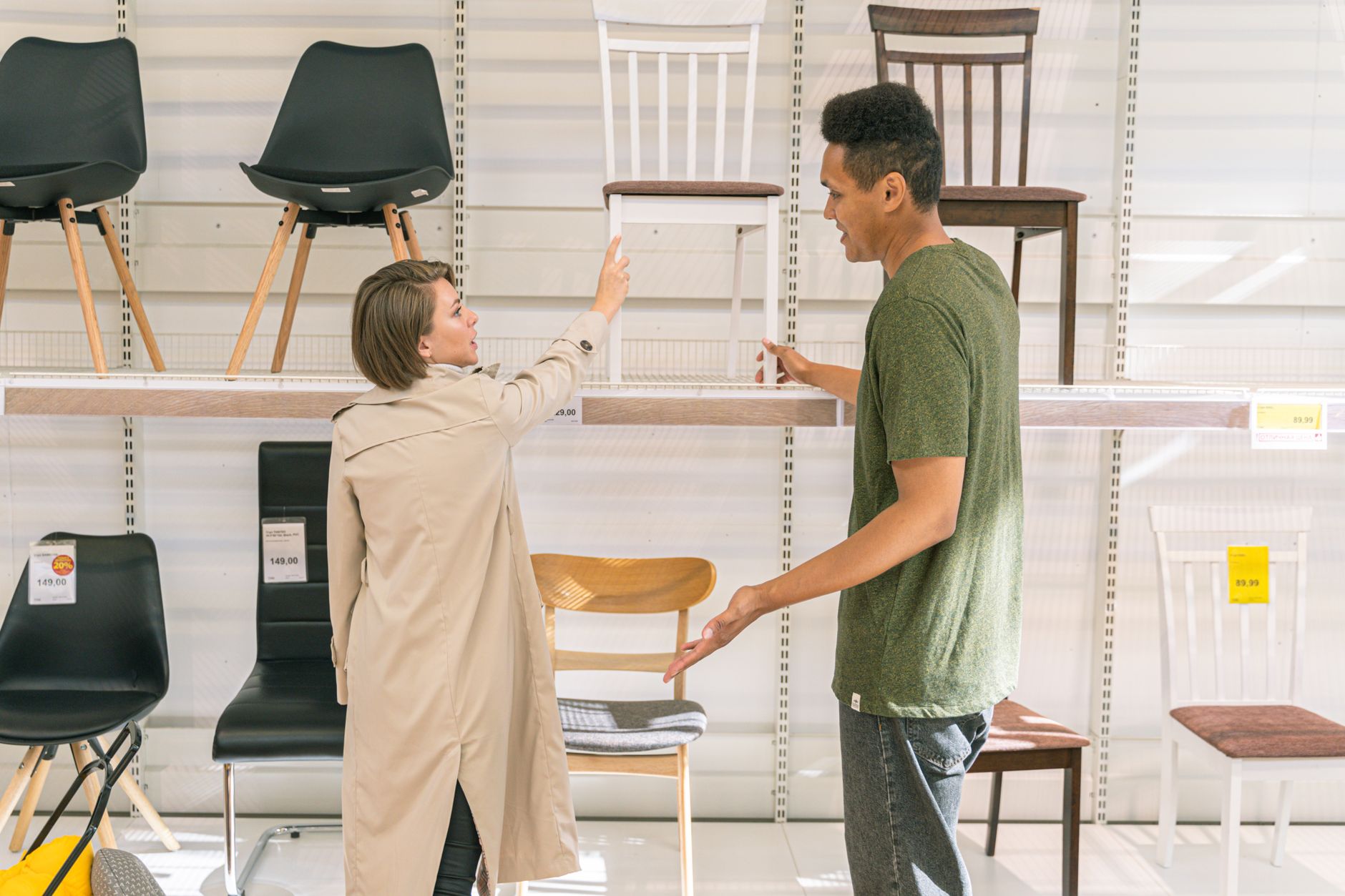
Let’s talk about chairs. A cheap chair feels fine for an hour. By the fourth hour, it feels like a mean joke. A good chair supports your lower back and lets your arms rest at ease. It adjusts in height and tilt, so it fits you instead of forcing you to fit it. Test chairs in person when you can. Sit for ten minutes, not ten seconds. People who sit well tend to focus better, and they leave work with fewer aches. That may sound small. It is not. Back pain drains energy, and it follows people home and sits on the couch with them.
Desks That Move
Standing desks get a lot of attention, and for good reason. They let people change position during the day. Some stand in the morning and sit after lunch. Others stand only for calls. Neither way is wrong. The point is choice. A desk that rises and lowers gives people a little control, and control feels good. Just remember that standing all day is not magic. Your feet will complain, and they will not be quiet about it. Mix it up and let your body vote.
Room to Talk and Room to Think
Open offices have fans and critics. Both have a point. Open space helps people share ideas fast, but it also fills the air with chatter. The fix is variety. Add a few soft seats for quick chats. Add a small table for meetings of two or four. Set aside a quiet nook with a high-backed sofa or a screen, so people can focus without hiding in the supply closet. Rugs and wall panels help too, since they soak up noise. A room that sounds calm feels calm. Workers pick up on that right away, even if they never say so.
Small Touches Count
Do not forget the little things. Good lighting saves eyes and moods. A plant or two adds life, and most of them forgive a missed watering. Storage keeps clutter off the desk, and a clear desk often means a clearer head. Give people a spot for their stuff and watch the mess shrink. Even a simple shelf can make a team feel more settled. A small budget can do a lot here, so you do not need to redo the whole floor to see a change.
The Bottom Line
Furniture will not fix a bad process or a rough Monday. It can, however, make good work easier. Pick pieces that support the body and the team. Ask people what they need, then listen. Your staff will notice, and they may even thank you. At the very least, they will stop glaring at the chair.