
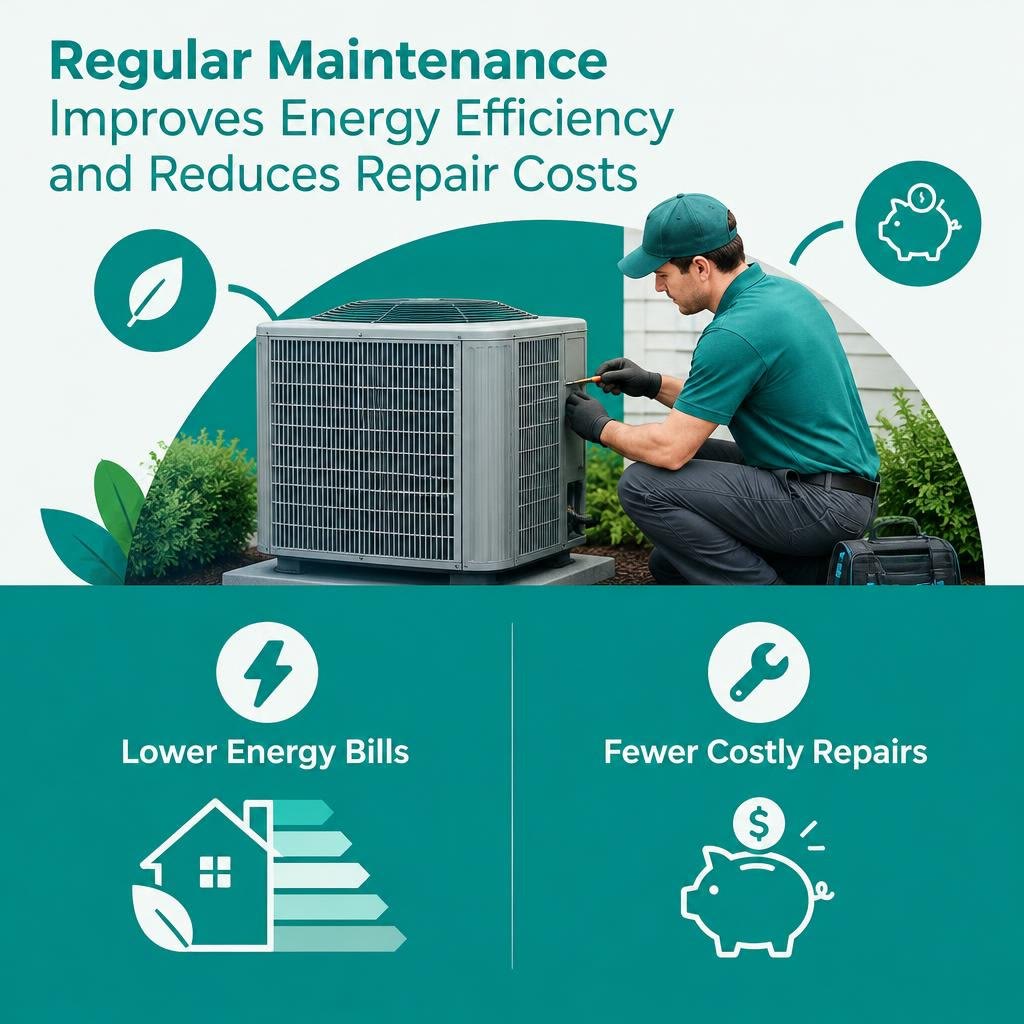
Key Benefits of Regular Heating and Air Conditioning Maintenance
Maintaining your home’s climate control system is about more than just avoiding a breakdown; it is about protecting your investment. An HVAC system is one of the most significant mechanical assets in your home. When you prioritize preventative maintenance, you ensure that your system operates at peak efficiency, maintains better indoor air quality, and functions safely throughout the year.
Routine inspections allow professionals to identify minor wear and tear before it evolves into a major mechanical failure. By addressing issues like loose wiring, dirty coils, or restricted airflow early, you prevent the system from overworking itself, which significantly lowers the risk of a catastrophic failure during the peak of summer or the dead of winter.
Lower Energy Bills and Optimized Efficiency
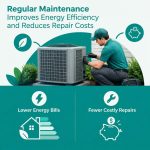
When your air conditioner is clogged with dust or struggling with a low refrigerant charge, it must work twice as hard to produce the same amount of cooling. This extra strain leads to higher electrical consumption and, inevitably, higher utility bills. Regular maintenance ensures that your system’s components, such as the compressor and blower motor, are not drawing excessive power. By keeping your coils clean and your system properly calibrated, you maximize your SEER2 rating efficiency, ensuring that every dollar spent on electricity translates directly into home comfort rather than wasted energy.
Extending Equipment Lifespan Past 15 Years
Most modern HVAC systems are designed to last between 12 and 15 years, provided they receive consistent care. Neglect is the primary cause of premature system failure. When components are allowed to run while strained, they experience accelerated wear. A motor that is constantly fighting against dirty filters or restricted airflow will eventually burn out. By investing in annual tune-ups, you effectively extend the lifecycle of your equipment, delaying the substantial expense of a full system replacement and ensuring you get the most value out of your initial investment.
How Routine Tune-Ups Prevent Costly Emergency Breakdowns
The most effective way to avoid the high price of emergency service is to stop the emergency from happening in the first place. Most urgent repairs are the result of “hidden” issues—such as a failing capacitor or a slow refrigerant leak—that have been brewing for months. During a routine check, a technician can spot these red flags and resolve them during normal business hours.
When you rely on heating and air conditioning repair services only when something breaks, you are at the mercy of the calendar. If your system fails on a weekend or a holiday, you are almost guaranteed to pay a premium. By scheduling your maintenance during the off-season, you ensure your system is ready for the heavy lifting of summer, effectively eliminating the need for those high-stress, high-cost emergency calls.
Emergency Service Costs vs Scheduled Care
Emergency services are priced differently than standard service calls because they require a company to reorganize its schedule, pay technicians overtime, and dispatch resources outside of normal operating hours. While a standard service call is manageable, an emergency visit often includes an after-hours surcharge, a higher diagnostic fee, and premium labor rates.
Service Type Typical Cost Structure Scheduled Maintenance Flat-rate, predictable, often discounted Standard Service Call Standard hourly labor + parts Emergency Repair After-hours surcharge + premium labor + parts Essential Checklist for Heating and Air Conditioning Maintenance
To keep your system running smoothly, a professional maintenance visit should always include:
- Refrigerant Level Check: Ensuring the system has the correct pressure to cool efficiently.
- Thermostat Calibration: Verifying that your system is reading the temperature correctly.
- Electrical Terminal Inspection: Tightening connections to prevent arcing and fire hazards.
- Condensate Drain Clearing: Preventing water damage and mold growth caused by clogs.
- Blower Motor and Fan Inspection: Checking for debris and ensuring smooth operation.
Seasonal Care Protocols and System Longevity
Consistency is the secret to a long-lasting HVAC system. We recommend a “spring and fall” approach: have your cooling system inspected in the spring before the heat hits, and your heating system checked in the fall before the first freeze.
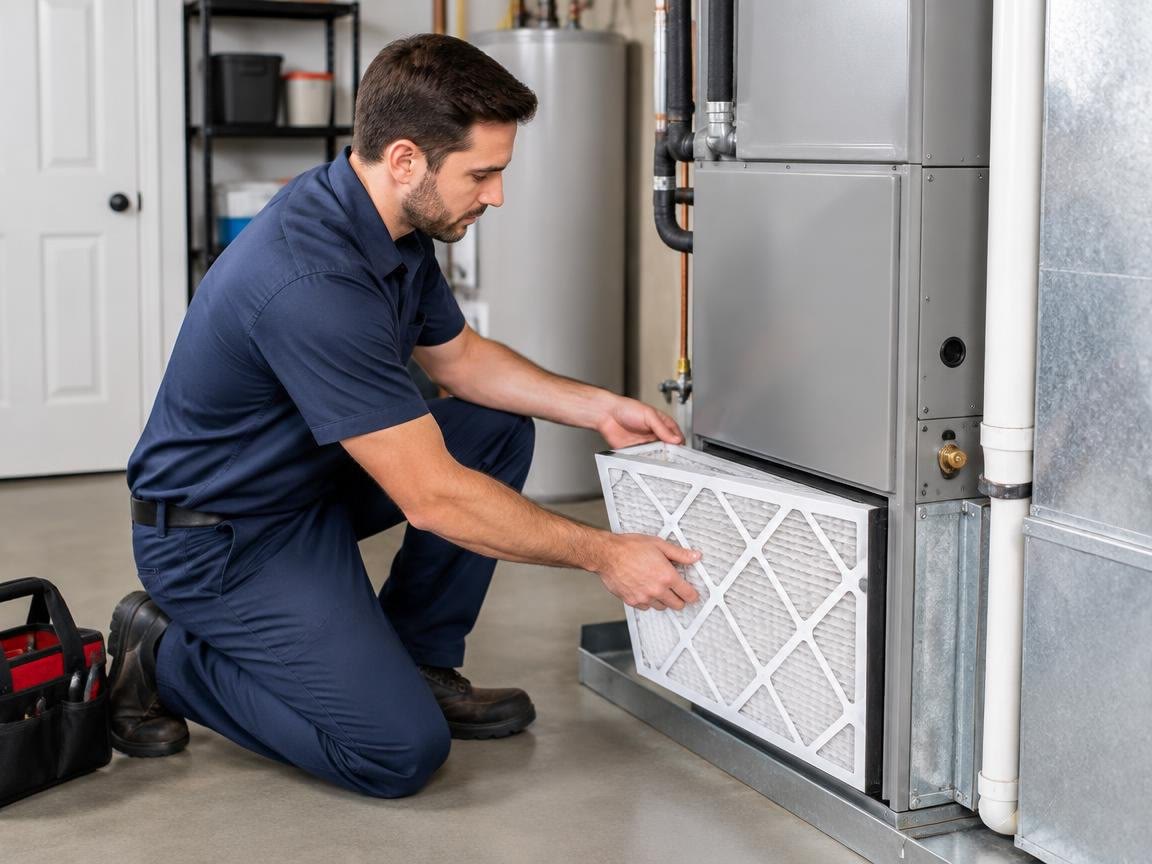
DIY vs Professional Heating and Air Conditioning Maintenance
While homeowners can and should handle basic tasks—such as replacing air filters every one to three months and keeping the outdoor condenser unit free of leaves and debris—internal diagnostics should always be left to the professionals. Attempting to repair electrical components or handle refrigerant without proper training and EPA certification is not only dangerous but can also void your manufacturer’s warranty.
When to Repair vs Replace Aging Units
A helpful rule of thumb for homeowners is the “$5,000 Rule.” If you multiply the age of your system by the estimated cost of the repair, and the result is greater than $5,000, it is usually more cost-effective to replace the unit. For example, if a 12-year-old unit requires a $600 repair, the result is $7,200, suggesting that replacement is the better long-term financial move.
Frequently Asked Questions About HVAC System Care
How often should HVAC maintenance be performed?
We recommend biannual scheduling. One visit should focus on your cooling system in the spring, and a second visit should focus on your heating system in the autumn. This ensures your home is ready for the extremes of every season.
What happens if you skip annual AC tune-ups?
Skipping maintenance often leads to a gradual decline in performance. You might notice your home takes longer to cool, or your energy bills begin to climb. Eventually, this leads to frozen evaporator coils or total compressor failure, which are significantly more expensive to fix than a simple tune-up.
What is the 5,000 rule for HVAC replacement?
This is a decision-making framework. By multiplying the age of your system by the repair cost, you can see if the repair is a “good investment” or “throwing good money after bad.” If the number is high, your money is better spent toward a new, more efficient system that comes with a fresh warranty.
Conclusion
Your home’s comfort depends on the reliability of your heating and cooling system. While emergency repairs are sometimes unavoidable, they are frequently the result of deferred maintenance. By prioritizing regular, professional care, you can avoid the high premiums associated with after-hours service, lower your monthly energy costs, and extend the lifespan of your unit.
If you have been neglecting your system, now is the time to schedule a professional inspection. Investing in preventative care today is the best way to ensure your home remains a sanctuary of comfort, regardless of the weather outside.