
Before you rely on a number for a sale, refinance, relocation, or purchase decision, take time to verify it. A tool that helps estimate my home value can be a useful starting point, but it should not be treated as a guaranteed sale price.
Home values are shaped by recent nearby sales, condition, buyer demand, location, and timing. The most dependable approach is to compare several sources of information, correct any inaccurate property details, and focus on evidence from your immediate market.
Table Of Contents
- Why Home Value Estimates Vary
- Start With Accurate Property Facts
- Compare Recent Nearby Sales
- Check Local Market Conditions
- Review Repairs, Updates, And Special Features
- Use More Than One Valuation Source
- Read A Value Range With Care
- Estimate Your Likely Net Proceeds
- Common Home Value Mistakes To Avoid
- Common Questions About Home Value Estimates
Why Home Value Estimates Vary
Online estimates are built from available records, prior transactions, listing information, and local sales data. Because providers may use different data sources, update schedules, and calculation methods, two websites can produce noticeably different values for the same address.
An automated estimate is not the same as a comparative market analysis from a local real estate professional, nor is it the same as a formal appraisal. An estimate is designed to provide a starting point. It may miss a remodeled kitchen, a poor layout, a busy street, deferred maintenance, or a feature that makes the home stand out to buyers.
Start With Accurate Property Facts
Check the property information behind every estimate before comparing results. Confirm the living area, bedroom and bathroom count, lot size, year built, property type, garage or parking, and any finished basement or attic space. Also review public records for permits, additions, and changes that may not have been captured correctly.
For example, an estimate based on 1,800 square feet can be misleading if the home actually has a permitted 400-square-foot finished lower level and an added bathroom. On the other hand, including unfinished storage space as living area can push an estimate too high.
Compare Recent Nearby Sales
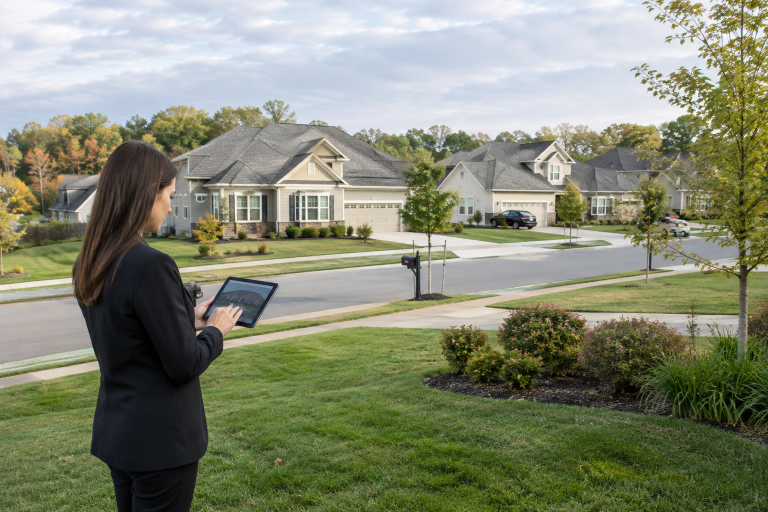
Comparable sales, often called comps, show what buyers recently paid for homes with similar characteristics. The strongest comps are usually recent sales in the same neighborhood or a nearby area with similar property type, size, age, layout, condition, and lot characteristics.
What Makes A Useful Comp?
- It sold recently enough to reflect current buyer behavior.
- It is close enough to share similar schools, traffic, amenities, and demand.
- It has similar square footage, bedroom and bathroom counts, and overall condition.
- It has comparable features, such as a garage, a pool, a view, or a renovated kitchen.
- It faced similar location factors, including a corner lot, steep driveway, or busy road.
Do not let one high sale control your expectations. A group of well-matched comps usually provides a clearer value range than a single nearby transaction that may have had unusual features or strong competition.
Check Local Market Conditions
National housing headlines can provide useful context, but they do not determine what buyers will pay on a given street. Review local days on market, active listings, months of inventory, price reductions, pending sales, and sale-to-list price ratios. These indicators can reveal whether buyers are moving quickly, negotiating harder, or gaining more choices.
Regional results can differ sharply even within the same year. The home value changes across metropolitan areas reported for the second quarter of 2026 illustrate why homeowners should look beyond broad national averages when evaluating a local estimate.
Review Repairs, Updates, And Special Features
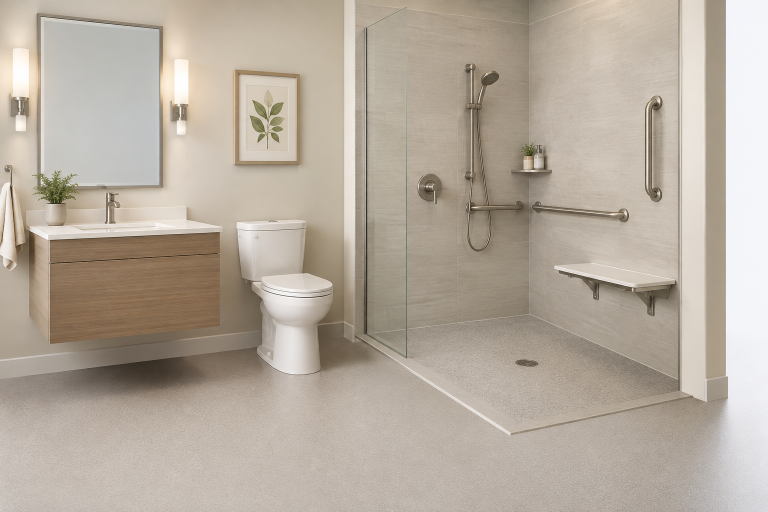
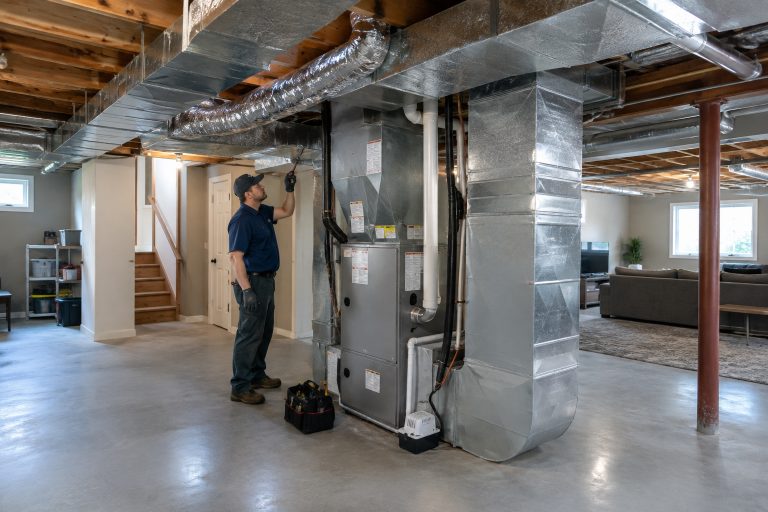
Automated tools may not know about every improvement, particularly work that was completed recently or is not clearly reflected in public records. Create a simple list of major updates, including roof replacement, heating and cooling systems, windows, siding, kitchen and bathroom renovations, energy improvements, decks, patios, accessibility features, and finished lower-level space.
Keep invoices, permits, warranties, and before-and-after photos in one folder. These records can help explain why your home deserves a different comparison from a similar property with older systems or less usable space.
Use More Than One Valuation Source
Selecting the highest estimate is rarely the best strategy. Instead, compare an automated valuation, recent comps, current neighborhood conditions, an agent's pricing opinion, and an appraisal when a lender or other formal situation requires one.
Research from Carnegie Mellon University on trust in algorithmic home value information reinforces a practical point: buyers and sellers can react differently when confidence in a pricing benchmark shifts. Treat online figures as one input, then test them against property-specific details and recent local evidence.
Read A Value Range With Care
A range is usually more realistic than one exact number. If a home appears to be worth $480,000 to $520,000, the midpoint may be a reasonable reference, but condition, presentation, pricing strategy, timing, and buyer competition can influence where the final result falls.
Compare your home with properties near both ends of the range. Homes near the upper end may have better updates, stronger curb appeal, or a more desirable location. Homes near the lower end may need repairs, have fewer features, or have been marketed during a slower period.
Estimate Your Likely Net Proceeds
Market value is not the same as the amount you receive after closing. A basic estimate should subtract mortgage balances, home equity loans, selling costs, transfer charges, title or escrow fees, repair expenses, and moving costs.
Estimated Net Proceeds = Expected Sale Price − Loan Balances − Selling Costs − Pre-Sale Expenses
Potential tax obligations can also affect the final result. Tax treatment depends on facts such as ownership history, occupancy, filing status, and gain, so a qualified tax professional can help with guidance tailored to your circumstances.
Common Home Value Mistakes To Avoid
- Trusting the highest online estimate without checking the property data.
- Using a tax assessment as a direct substitute for market value.
- Comparing renovated homes with homes that need substantial work.
- Ignoring local price reductions, withdrawn listings, and failed sales.
- Assuming every dollar spent on a renovation returns dollar-for-dollar value.
- Using sales from another neighborhood or school district without adjustment.
- Setting an asking price before estimating likely net proceeds.
Common Questions About Home Value Estimates
How Often Should A Homeowner Check A Property Estimate?
An annual review can be useful for general planning. If you expect to sell soon, rely more heavily on recent local sales and current market activity.
Why Is One Estimate Much Higher Than Another?
The difference may stem from property record errors, different comparable sales, timing of updates, or how each system handles unusual features and renovations.
Is An Online Estimate The Same As An Appraisal?
No. An online estimate is a research tool, while an appraisal is a formal opinion of value prepared for a specific purpose.
Do Renovations Always Increase Home Value?
Improvements can support buyer interest, but the return depends on quality, local preferences, cost, and how well the update fits the surrounding market.
Conclusion
A home value estimate becomes more useful when it is treated as the starting point for research, not the final answer. Verify the facts, study recent comps, review neighborhood conditions, document improvements, and calculate likely proceeds. The most useful number is not necessarily the highest one. It is the value supported by clear local evidence and realistic buyer behavior.