
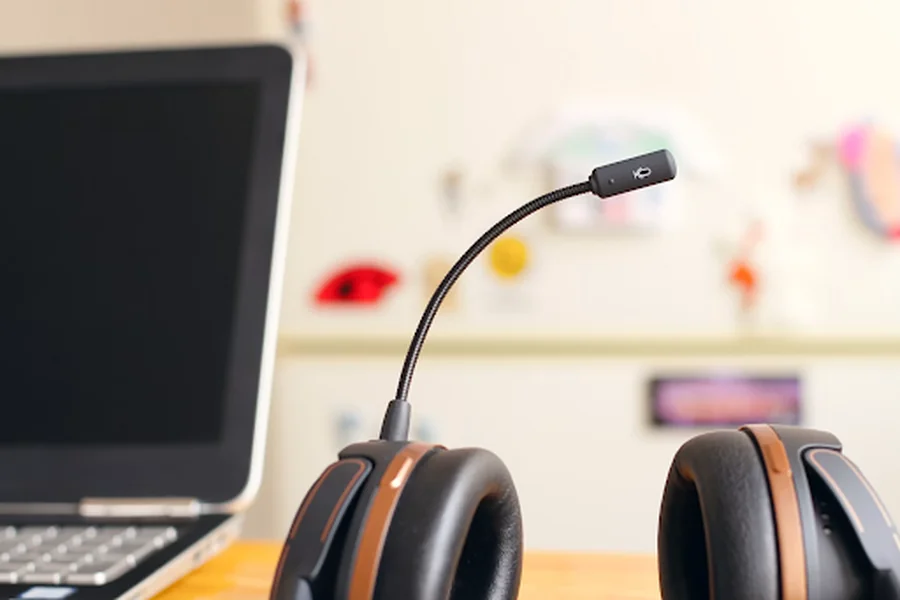
In today’s fast-paced digital landscape, effective communication is more crucial than ever before. As technology continues to evolve, wireless microphone headsets have emerged as essential tools for professionals seeking reliability and flexibility. At the forefront of this audio revolution is the JBL wireless microphone headset, a device that combines the freedom of wireless connectivity with superior sound quality. Its integration into various industry practices enhances communication and performance across multiple settings.
The Evolution of Wireless Audio Technology
Wireless microphones have undergone significant transformation since their inception. Initially, they were bulky and offered limited range and audio quality. However, modern iterations, equipped with Bluetooth connectivity and enhanced battery life, deliver seamless audio solutions that meet the demands of a mobile workforce. Innovations by companies like JBL have played a pivotal role in this transition, offering devices that provide both convenience and high-fidelity audio.
Key Features and Benefits
The rise of wireless microphone headsets can largely be attributed to their versatility and feature-rich design. They offer myriad benefits over traditional wired systems, including increased mobility, ease of use, and a reduction in clutter. With no wires to inhibit movement, professionals from various fields, such as fitness instructors, event coordinators, and remote workers, can perform their tasks with greater efficiency.
Moreover, modern headsets come equipped with noise-cancellation technology, ensuring clarity in communication even in bustling environments. This feature is particularly advantageous in settings like call centres or noisy offices, where maintaining clear and uninterrupted conversation is paramount.
Application Across Industries
Wireless microphone headsets find applications across diverse industries, enhancing productivity and performance. In broadcasting, for instance, they allow presenters to move freely while maintaining clear audio transmission. In educational settings, teachers utilise these devices to engage with students, facilitating interactive learning experiences without being tethered to a podium.
In the hospitality sector, staff can communicate efficiently across large venues, providing seamless service experiences. Similarly, in the healthcare industry, wireless headsets enable medical professionals to communicate hands-free, thus improving the delivery of patient care.
Enhancing the Gaming Experience
Another industry where wireless microphone headsets have had a significant impact is gaming. Gamers rely on clear communication for teamwork and strategy, making high-quality audio devices indispensable. Wireless headsets, equipped with surround sound capabilities and extended battery life, offer an immersive experience that enhances gameplay. The elimination of wires not only aids mobility but also declutters the gaming area, enabling an unobstructed setup conducive to extended gaming sessions.
Connectivity and Battery Life
A critical aspect of wireless headset technology is its connectivity and battery performance. State-of-the-art models offer robust Bluetooth connections, ensuring uninterrupted audio streams and reduced latency. The latest advancements have also seen improvements in battery technology, with some models offering up to 20 hours of usage on a single charge. Fast-charging capabilities further augment user experience, reducing downtime and ensuring the headset is ready for use whenever required.
The Adoption of Wireless in Corporate Environments
In corporate environments, the use of wireless microphone headsets has become essential, particularly in facilitating remote work. As virtual meetings become a staple in business communications, the need for reliable audio equipment has heightened. Wireless headsets provide an ergonomic and efficient solution that supports long hours of use, making them ideal for video conferencing and hybrid work settings.
These devices also integrate seamlessly with various communication platforms, ensuring compatibility and ease of operation across different systems. Advanced models, equipped with smart controls, allow for intuitive management of calls and collaboration applications, streamlining workflow and enhancing productivity.
Addressing Concerns and Misconceptions
Despite their many benefits, some users harbour reservations about wireless microphone headsets, chiefly concerning their reliability and security. However, advancements in wireless encryption technologies have addressed these concerns, safeguarding privacy and ensuring secure communications. Manufacturers continually work to enhance signal stability, mitigating interference and providing dependable connectivity.
Furthermore, regulatory compliance in terms of frequency allocation ensures that wireless headsets function effectively without causing disruption to existing communication infrastructures. By adhering to these standards, users can confidently integrate wireless headsets into their daily operations.
Environmental Considerations
As awareness of environmental sustainability grows, the tech industry has begun prioritising eco-friendly practices. Wireless headsets are no exception, with manufacturers exploring sustainable materials and energy-efficient designs. Devices are now being produced with recyclable components, and emphasis is placed on reducing power consumption to lessen the environmental impact.
Choosing the Right Device
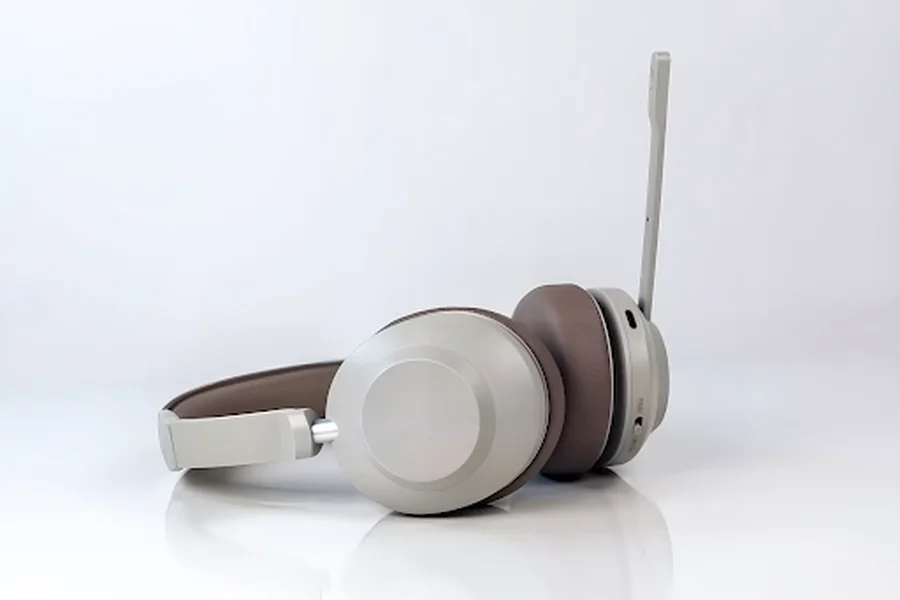
Selecting the right wireless microphone headset involves considering various factors, including sound quality, comfort, and compatibility with existing devices. Models should be chosen based on specific needs, whether for professional use, gaming, or recreational listening. Attention to features such as ergonomic design and adjustable settings can significantly enhance user experience.
Exploring reputable brands and product reviews provides insight into the performance capabilities and reliability of different models. With the wealth of options available, consumers can find devices that align with their preferences and budget considerations.
Conclusion
As technological advancements continue to shape the way we communicate, wireless microphone headsets represent a significant shift towards a more flexible and efficient future. The integration of cutting-edge features into these devices addresses the evolving needs of consumers and professionals alike, ensuring they remain a staple in audio technology. As the demand for seamless communication grows, the evolution of wireless headsets is poised to keep pace, offering innovative solutions tailored to modern challenges.