
There is a change from simply addressing issues when one is ill. The issue at hand now is understanding how aging occurs, problems in metabolizing foods, and any problems that occur in bodily organs. They are now looking inside the body to find real reasons for these things. A lot of people are moving past basic supplements. Now, the goal is to use exact molecules that talk right to cell pathways. This kind of science is showing new ways to help the body heal, boost how well the brain works, and keep the body’s energy use in check. When research-grade compounds from CellPeptides are used in lab tests, they give clear results for scientists. This is important, as it helps lay the ground for future steps to stay healthy and take care of our cells.
What Are Research-Grade Compounds in Cellular Science?
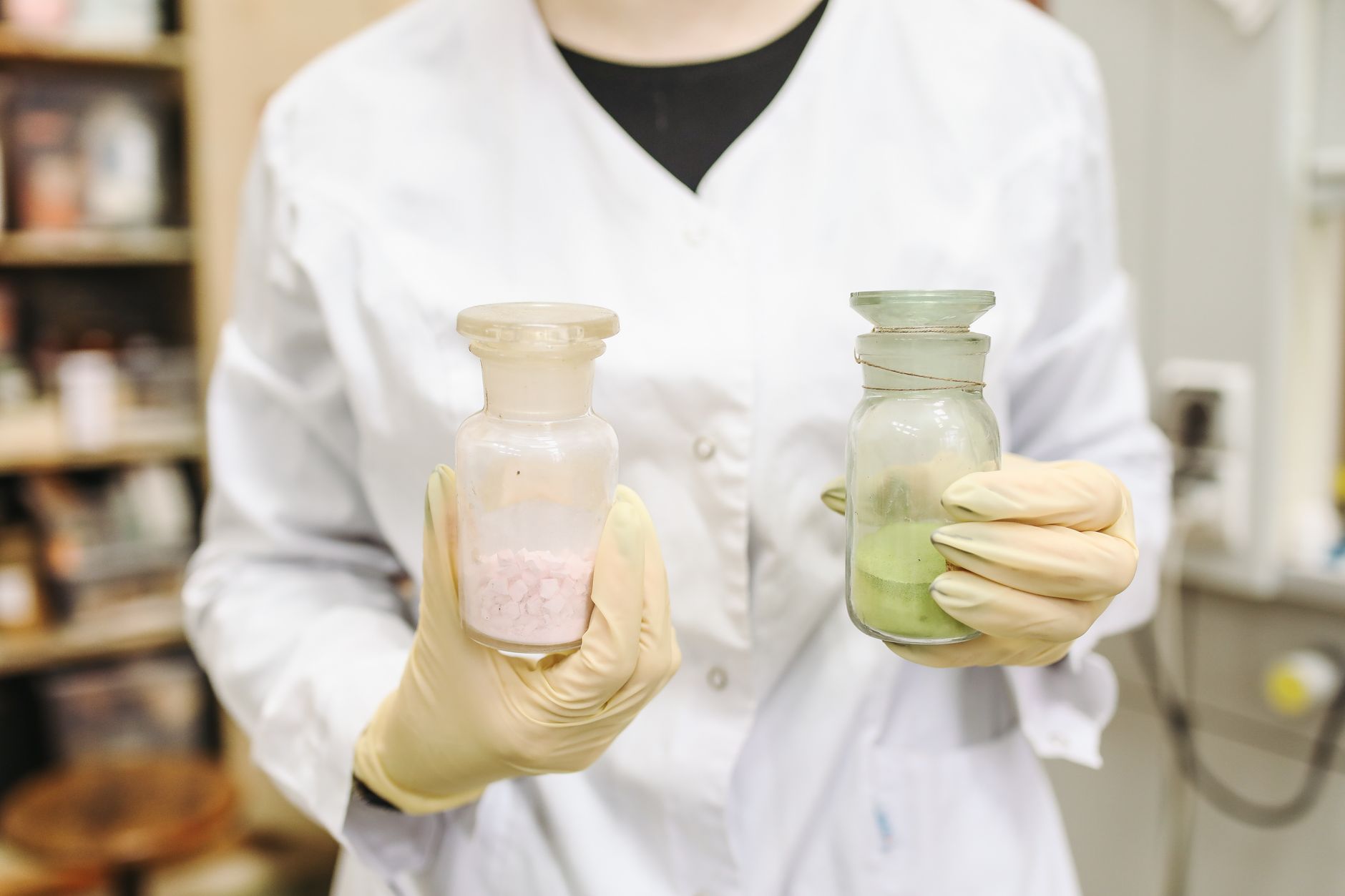
As for the purity of the compounds designed for research, it is crucial to produce ultra-pure biological compounds, namely peptides and bioactive compounds. They are produced under certain analytical conditions in order to allow researchers to investigate the communication channels inside the cells without any differences between batches or contamination.
Purity is crucial to get the desired results during molecular research. The ready-to-use reagents contain numerous additives, including binders and fillers. Moreover, the quantity of the material needed may differ. The research reagents are tested according to specific criteria with the help of HPLC and Mass Spectrometry methods. This ensures the right composition of the reagent and its purity from unnecessary materials.
Comparative Breakdown: Supplement Quality vs. Research-Grade Standards
|
Evaluation Criteria |
Commercial Dietary Supplements |
Research-Grade Bioactive Compounds |
|
Purity Level |
Typically 70% – 85% active content |
Over 98% verified purity (HPLC certified) |
|
Primary Focus |
General nutritional support |
Targeted receptor signaling & mechanism mapping |
|
Analytical Testing |
Basic heavy metal/microbial checks |
Mass Spectrometry sequence verification |
|
Target Precision |
Systemic, broad-spectrum response |
Highly specific cellular pathway activation |
Primary Areas of Scientific Transformation
Targeted peptide sequences act as small guides for parts inside human cells. The main parts of the cell are undergoing big changes. There are also new ideas, such as:
- Tissue Regeneration and Repair: Peptides like BPC-157 and TB-500 support angiogenesis and enhance the functioning of fibroblasts; therefore, they promote rapid healing of ligaments, tendons, and gastrointestinal mucosa.
- Metabolism Optimization and Mitochondrial Biogenesis: Some peptides like MOTS-c and 5-Amino-1MQ work for metabolism optimization within your cells and maintenance of the right level of NAD+, which makes it possible to create mitochondria in your body.
- Neuroprotection and Cognition Improvement: The neuropeptides like Semax and Selank pass the blood-brain barrier and contribute to an increase in the level of BDNF brain-derived neurotrophic factor and promote synaptogenesis of neurons.
Advantages and Implementation Limitations
- Key Advantages: It gives an excellent delivery within the body. It has very minimal chances of being off-target. It is exactly similar to the normal peptide in our body. The results that come out of experiments are replicable every time.
- Implementation Constraints: One must be extra cautious about its mixing process. It requires the proper environment, such as freeze-drying, to be well taken care of. Someone else needs to examine it externally to prevent the breakdown of its structure.
Conclusion
There is a big shift from general health plans to more exact work with body cells. Now, people focus on how certain amino chains send signals to cell parts. This helps them find new ways to fix damaged body parts, give cells more energy, and keep nerve cells safe. When scientists use research-grade compounds from CellPeptides, they can do good tests to see how long the cells last. As the ways to study these messengers get better, these small messengers will keep opening up new ideas for health, sports healing, and better wellness.