

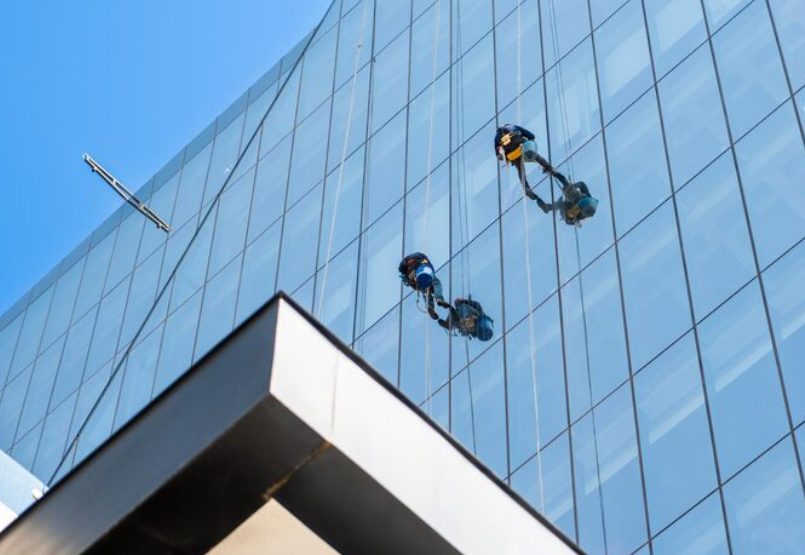
A building’s exterior is the first thing people notice. Whether it is a commercial office tower, a residential apartment complex, a hotel, or a retail establishment, the condition of its facade creates an immediate impression. A clean and well-maintained exterior reflects professionalism, attention to detail, and pride in ownership, while a neglected facade can quickly diminish the perceived value of an otherwise impressive property. This is why building facade cleaning has become an essential part of modern property maintenance rather than a purely cosmetic service.
Over time, every building is exposed to changing weather conditions, airborne pollutants, dust, rainwater, vehicle emissions, bird droppings, and biological growth such as algae and mould. These elements gradually affect the appearance and condition of exterior surfaces. Without regular maintenance, dirt and contaminants can become deeply embedded in facade materials, potentially leading to expensive repairs in the future. Professional facade cleaning helps preserve both the beauty and structural integrity of buildings, ensuring they continue to look their best while remaining protected from long-term damage.
Why Building Facades Require Regular Maintenance
Building exteriors are constantly exposed to environmental conditions that cannot be avoided. Urban buildings often experience higher levels of pollution due to heavy traffic, industrial emissions, and airborne dust. Coastal properties may accumulate salt deposits that gradually wear down exterior finishes, while buildings in humid climates frequently develop moss, mildew, or algae.
These contaminants do much more than affect visual appearance. Dirt can trap moisture against exterior materials, accelerating deterioration over time. Organic growth can weaken porous surfaces, while pollutants may stain stone, concrete, glass, and metal permanently if left untreated. Routine cleaning removes these harmful substances before they cause lasting damage, extending the lifespan of exterior finishes and reducing future maintenance costs.
Regular facade cleaning also helps property owners identify minor issues early, such as cracks, loose sealants, damaged cladding, or water infiltration. Detecting these problems during routine maintenance allows repairs to be completed before they become major structural concerns.
Understanding Different Facade Materials
Every building facade requires a cleaning method suited to its specific materials. Using the wrong cleaning technique may cause irreversible damage, making professional expertise especially valuable.
Glass facades are common in modern commercial buildings because they create a sleek, contemporary appearance while allowing natural light to enter interior spaces. However, glass quickly reveals fingerprints, water spots, pollution, and dust. Professional cleaners use purified water systems and specialised equipment to achieve streak-free finishes without scratching delicate surfaces.
Stone facades, including granite, limestone, and marble, require more delicate care. These natural materials are porous and can absorb contaminants if improperly cleaned. Gentle cleaning methods help preserve the stone’s natural appearance while preventing erosion or discolouration.
Brick buildings often accumulate dirt within their textured surfaces. Moss and algae can also develop in mortar joints, particularly in shaded or damp environments. Careful pressure regulation and appropriate cleaning solutions are necessary to avoid damaging the brickwork.
Metal cladding, aluminium panels, and composite materials require specialised cleaning products that remove contaminants without affecting protective coatings or causing corrosion. Each material responds differently to environmental exposure, making customised cleaning approaches essential.
The Science Behind Professional Facade Cleaning
Professional facade cleaning involves much more than washing exterior walls with water. Cleaning specialists evaluate the building’s materials, environmental conditions, level of contamination, and overall structural condition before selecting the most appropriate cleaning method.
Pressure washing remains one of the most effective techniques for removing stubborn dirt from durable surfaces. However, water pressure must be carefully adjusted to suit each material. Excessive pressure can damage paint, mortar, sealants, or delicate finishes.
Soft washing is commonly used for more sensitive surfaces. This method combines low-pressure water with specially formulated biodegradable cleaning solutions that break down mould, algae, mildew, and stains without causing physical damage.
Steam cleaning is another environmentally friendly option that removes contaminants using high-temperature water vapour. It effectively sanitises surfaces while minimising the need for harsh chemicals.
Chemical cleaning may be necessary for stubborn stains, oxidation, or industrial pollution. Professional cleaners carefully select products that effectively dissolve contaminants while protecting the building’s exterior and minimising environmental impact.
Technology Is Transforming Facade Cleaning
Advancements in technology have significantly improved the efficiency, safety, and effectiveness of building facade cleaning. Equipment that once required extensive manual labour is now supported by innovative tools that reduce risks while delivering superior results.
Water-fed pole systems allow technicians to clean windows and building exteriors from the ground using telescopic poles that can reach several storeys high. Purified water technology eliminates mineral deposits, leaving glass surfaces spotless without chemical detergents.
Drones have also become valuable inspection tools. Before cleaning begins, drones can capture detailed images of hard-to-reach areas, helping technicians identify stains, damage, or maintenance issues without immediately deploying access equipment.
For extremely tall buildings, robotic cleaning systems are becoming increasingly common. These machines can navigate large glass facades efficiently while reducing the need for workers to perform dangerous tasks at significant heights.
Digital scheduling, maintenance tracking, and inspection reporting have also improved communication between cleaning companies and property managers, allowing maintenance records to be documented more accurately.
Safety Remains the Highest Priority
Cleaning building exteriors often involves working at considerable heights, making safety one of the most important aspects of facade maintenance. Professional companies invest heavily in staff training, specialised equipment, and compliance with workplace safety regulations.
Before every project, technicians conduct detailed site assessments to identify potential hazards. Factors such as weather conditions, pedestrian traffic, building design, and access points are carefully evaluated before work begins.
Workers performing high-rise cleaning use certified safety harnesses, suspended platforms, elevated work platforms, or rope access systems depending on the building’s design. Every piece of equipment undergoes regular inspection to ensure it meets strict safety standards.
Professional companies also establish exclusion zones to protect pedestrians and surrounding properties during cleaning operations. These precautions minimise risks while allowing work to proceed efficiently.
Environmental Responsibility in Modern Cleaning
Sustainability has become a major focus across the cleaning industry. Property owners increasingly seek maintenance solutions that protect both their buildings and the environment.
Many professional facade cleaning companies now use biodegradable cleaning agents that effectively remove dirt without introducing harmful chemicals into nearby waterways or landscaping. These environmentally responsible products are safer for building occupants, maintenance staff, and surrounding ecosystems.
Water conservation has also become an important consideration. Advanced cleaning equipment uses significantly less water than traditional methods while maintaining excellent cleaning performance. Some companies even utilise water recycling systems that capture, filter, and reuse water during large-scale cleaning projects.
Reducing chemical use through steam cleaning and purified water technology further supports environmentally conscious building maintenance while maintaining exceptional cleaning standards.
Economic Benefits of Routine Facade Cleaning
Although facade cleaning requires an ongoing investment, it often results in substantial long-term savings. Preventative maintenance reduces the likelihood of expensive repairs caused by neglected exterior surfaces.
Removing pollutants before they permanently stain materials preserves the appearance of buildings for much longer. Protective coatings also last longer when surfaces remain clean, delaying repainting or restoration projects.
Commercial property owners benefit from improved tenant satisfaction and stronger first impressions for prospective clients. A clean building projects professionalism, reliability, and quality, contributing positively to business reputation.
Residential developments also experience advantages. Attractive building exteriors can increase property values, improve resident satisfaction, and create more appealing living environments.
Hotels, retail centres, and office buildings particularly benefit because customers often form opinions before even entering the premises. A spotless exterior supports a positive overall customer experience.
Selecting a Reliable Facade Cleaning Provider
Choosing the right cleaning company requires careful evaluation beyond simply comparing prices. Experience with different building materials is essential, as improper cleaning techniques can cause costly damage.
Reputable providers should demonstrate comprehensive knowledge of cleaning methods, environmental practices, and workplace safety standards. They should also maintain appropriate insurance coverage and employ trained technicians certified to perform high-access work safely.
A professional company will usually begin with a detailed inspection before recommending a customised cleaning plan. This ensures the chosen methods match the building’s construction materials and maintenance requirements.
Clear communication, transparent quotations, flexible scheduling, and detailed maintenance reports are also indicators of a reliable service provider. Building owners benefit from establishing long-term relationships with experienced contractors who understand the property’s unique needs.
The Future of Building Facade Maintenance
As architecture continues evolving, facade cleaning methods will continue advancing alongside new construction materials and environmental expectations. Smart buildings with integrated sensors may eventually monitor exterior conditions automatically, alerting maintenance teams when cleaning is required.
Protective nanotechnology coatings are already extending the time between cleaning cycles by repelling water, dust, and pollutants. Self-cleaning glass technologies are becoming increasingly sophisticated, reducing maintenance requirements for certain applications while still benefiting from periodic professional cleaning.
Artificial intelligence may also play a greater role in scheduling predictive maintenance based on weather patterns, pollution levels, and historical building performance. Combined with robotic cleaning technologies, these innovations promise greater efficiency while reducing operational costs.
Conclusion
Building facade cleaning is far more than an aesthetic improvement. It is a vital maintenance practice that protects building materials, extends structural lifespan, enhances property value, and creates a positive impression for visitors, tenants, and customers. As urban environments continue to expose buildings to pollution, weather, and environmental contaminants, routine professional cleaning becomes an increasingly important investment rather than an optional service.
Advancements in cleaning technology, environmentally responsible practices, and improved safety standards have transformed facade maintenance into a highly specialised field capable of delivering outstanding results for buildings of every size. By partnering with experienced professionals and maintaining a consistent cleaning schedule, property owners can preserve the beauty, durability, and long-term value of their buildings while ensuring they remain attractive landmarks within the communities they serve.











1 thought on “Beyond Surface Shine: Why Professional Building Facade Cleaning Matters for Modern Properties”