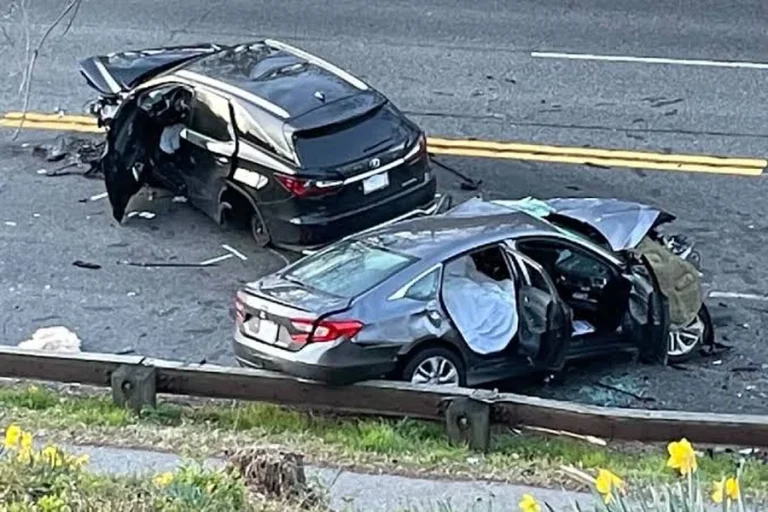


Katy, Texas, is a growing community in the Greater Houston area, with busy roads connecting residential neighborhoods, schools, and local businesses. As residents and visitors travel daily for work and other activities, safe driving plays an important role in preventing road accidents.
However, even a brief distraction behind the wheel can lead to a serious collision. When a driver causes an accident while using a phone but later denies it, investigators must rely on evidence such as phone records, witness statements, and camera footage to determine what happened.
For victims of distracted driving accidents in Katy, understanding how this evidence is collected and evaluated can help them challenge a driver's denial and support their accident claims. Knowing what steps to take after a collision can also help preserve important evidence before it is lost.
Why Do Drivers Deny Using a Phone?
Drivers may deny phone use because they fear being held responsible for an accident. They might claim they were checking the road, adjusting the vehicle's controls, or responding to an unexpected situation. In some cases, they may genuinely believe their phone use had nothing to do with the collision.
However, a driver's statement alone does not determine what caused the accident. Investigators must examine the available evidence to understand what happened before, during, and after the crash.
Evidence Needed to Prove Phone Use
Several types of evidence can help establish whether a driver was using a phone at the time of an accident.
- Phone records: Call logs and text message timestamps can help establish whether a driver was communicating around the time of the crash. These records may not prove exactly what the driver was doing at the moment of impact, but they can support other evidence.
- Witness statements: Passengers, pedestrians, and other drivers may have seen the driver looking down, holding a phone, or typing before the collision.
- Camera footage: Traffic cameras, nearby business surveillance systems, and dashcams may capture the driver's behavior before the accident.
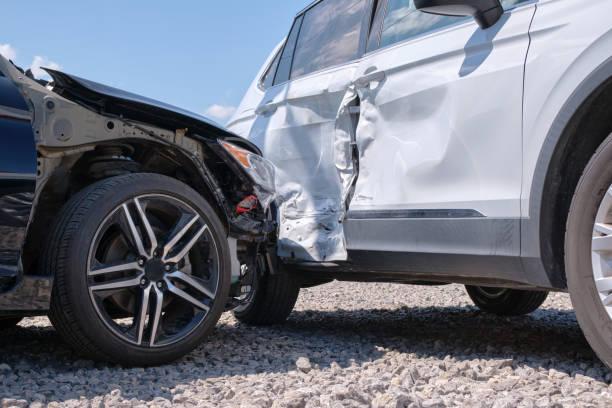
- Accident reconstruction: Investigators can examine skid marks, vehicle damage, road conditions, and the timing of events to determine whether the driver's actions contributed to the crash.
No single piece of evidence automatically proves distracted driving. Looking at multiple sources together can provide a clearer picture of what happened.
How Does Denying Phone Use Affect an Accident Claim?
When a driver denies using a phone, insurance companies may question whether distraction caused the accident. They may review the police report, interview witnesses, examine vehicle damage, and request supporting records.
If the evidence conflicts with the driver's statement, it may help challenge their version of events. However, proving phone use and proving that it caused the crash are separate issues. Accident victims generally need evidence connecting the driver's behavior to the collision and their resulting injuries or losses.
What Should Accident Victims Do After a Crash?
Taking the right steps after an accident can help preserve important evidence.
- Document the scene: Photograph vehicle damage, road conditions, traffic signals, and visible injuries.
- Collect witness details: Record names and contact information for people who saw the collision.
- Save available footage: Keep dashcam recordings and identify nearby cameras before footage is deleted.
- Seek medical attention: Get evaluated promptly and keep records of treatment and expenses.
- Avoid unsupported assumptions: Let the evidence establish what happened rather than relying only on what another driver says.
Key Points to Remember
- Drivers may deny phone use after an accident, making evidence essential to determine what happened.
- Phone records, witness statements, and camera footage can help establish distracted driving.
- Proving phone use and proving that it caused the crash are separate issues.
- Accident victims should document the scene, collect witness details, and preserve available footage.
- Early evidence collection can help support an accident claim before important records are lost.