
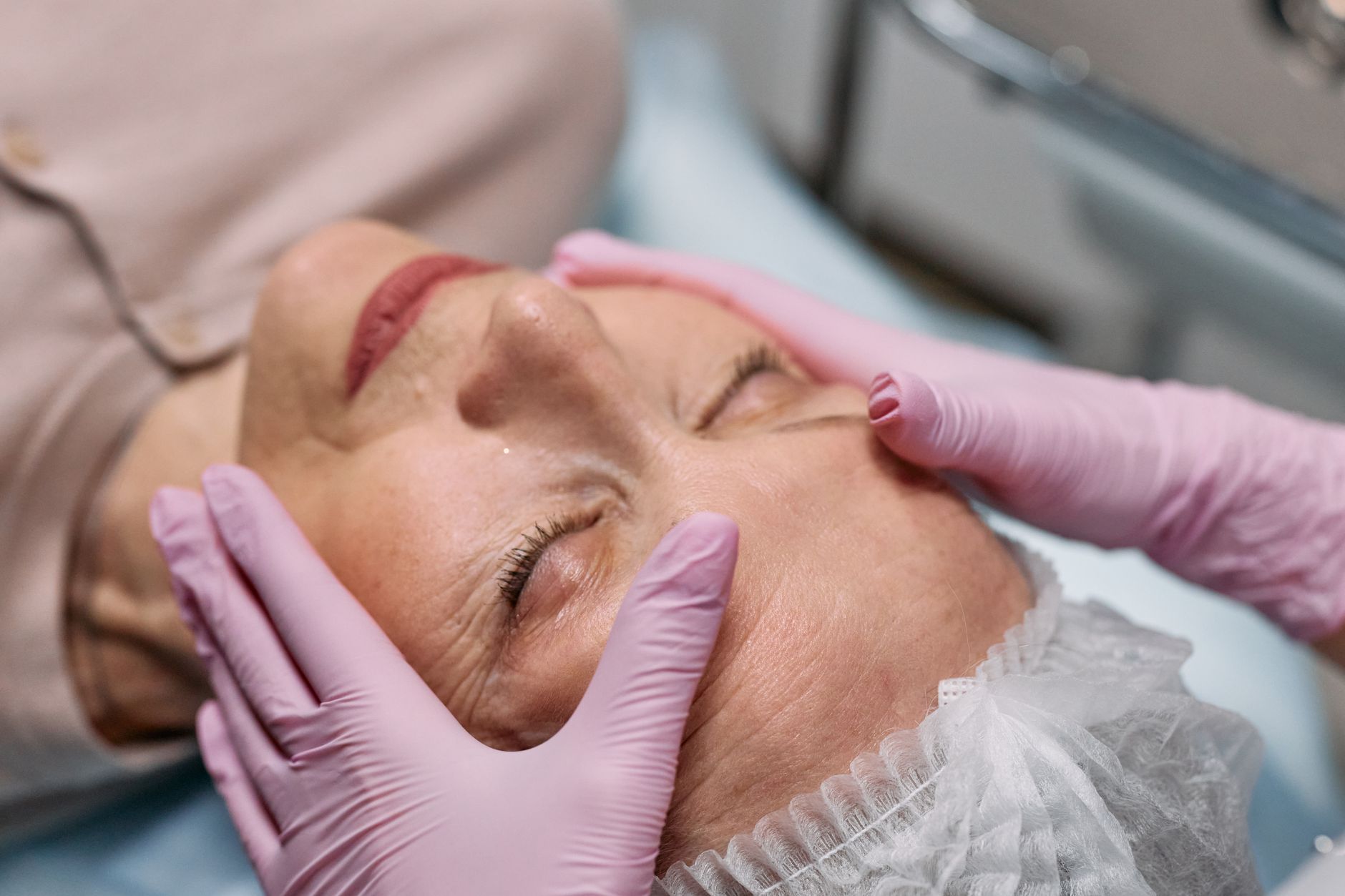
Understanding the Connection Between Facial Structure and Ageing
The relationship between orthodontic health and facial aesthetics extends far beyond the alignment of teeth. Whilst many people associate orthodontic treatment provided by a Specialist Orthodontist Battersea purely with achieving a straighter smile, the reality is considerably more profound. The positioning of teeth and jaws plays a fundamental role in maintaining the structural integrity of the face, influencing how gracefully one ages over the decades. When skeletal support is compromised through misalignment, the face can begin to show signs of premature ageing that might otherwise have been preventable.
Research has demonstrated that orthodontics plays a significant role in facial rejuvenation, highlighting how proper dental alignment contributes to maintaining youthful facial proportions. The skeletal framework of the jaw provides essential support for the soft tissues of the face, including the cheeks, lips, and lower facial region. When this framework is properly aligned, it creates a natural scaffolding that helps preserve facial volume and contour throughout the ageing process.
The Science Behind Skeletal Support and Facial Ageing
The human face relies on a delicate balance of bone structure, muscle, and soft tissue to maintain its appearance. As individuals age, natural bone resorption occurs, which can lead to changes in facial proportions. However, when orthodontic issues such as malocclusion, overbites, or underbites are present, this process can accelerate significantly. Misaligned teeth create uneven pressure distribution across the jaw, potentially leading to bone loss in certain areas whilst causing excessive wear in others.
Studies have shown that orthodontics significantly impacts facial structure and development, affecting not only childhood growth patterns but also the maintenance of facial aesthetics in adulthood. An orthodontist can assess how jaw alignment influences facial proportions and recommend treatment strategies that support long-term facial harmony.
How Malocclusion Accelerates Facial Ageing
Malocclusion, or improper bite alignment, creates a cascade of effects that can contribute to premature facial ageing. When teeth do not meet correctly, the muscles of mastication must work harder to perform basic functions such as chewing and speaking. This constant overexertion can lead to muscle fatigue, tension, and eventually changes in muscle tone that affect facial appearance.
Furthermore, improper bite alignment often results in uneven wear patterns on teeth, which can gradually reduce vertical dimension—the height of the lower face. As this dimension decreases, the distance between the nose and chin shortens, creating a collapsed appearance that is typically associated with advanced age. The lips may appear thinner, nasolabial folds can deepen, and jowls may become more prominent, all consequences of inadequate skeletal support.
The Role of Temporomandibular Joint Health
The temporomandibular joint (TMJ) serves as the hinge connecting the jaw to the skull, and its proper function is essential for maintaining facial symmetry and structure. Orthodontic issues frequently place excessive strain on this joint, leading to dysfunction that manifests not only as pain but also as visible changes to facial appearance. TMJ disorders can cause asymmetrical muscle development, where one side of the face appears more developed or drooped than the other, contributing to an aged and unbalanced appearance.
Addressing orthodontic concerns early can prevent these complications from developing, preserving the natural symmetry and balance of facial features. Research into orthodontic treatment outcomes continues to reveal the extensive benefits of proper jaw alignment for overall facial aesthetics and function.
Preventive Benefits of Orthodontic Intervention
Orthodontic treatment offers a proactive approach to maintaining facial structure throughout life. By correcting misalignments, patients can ensure that their facial bones receive appropriate stimulation and support, helping to preserve bone density and prevent premature resorption. Properly aligned teeth distribute biting forces evenly across the dental arches, reducing localised stress that could otherwise accelerate bone loss in specific areas.
Additionally, orthodontic treatment can improve breathing patterns by addressing issues such as narrow palates or jaw positioning that restricts airways. Improved nasal breathing supports better oxygenation and can positively influence facial development, particularly in younger patients whose bones are still growing. Even in adults, orthodontic intervention can halt or reverse some of the structural changes that contribute to an aged appearance.
Preserving Youthful Facial Aesthetics Through Orthodontic Care
The evidence supporting orthodontic treatment as a means of preventing premature facial ageing continues to grow. By maintaining proper skeletal support through aligned teeth and jaws, individuals can preserve the natural contours and proportions of their face well into later life. Whether addressing concerns in childhood or seeking treatment as an adult, orthodontic care represents an investment not only in dental health but in long-term facial aesthetics and overall wellbeing.