


WPC Composite Decking: Benefits, Features and Practical Considerations
WPC composite decking is a practical option for creating attractive outdoor spaces without the upkeep associated with traditional timber decking. Made from a combination of wood fibres and plastic, this composite material is designed to provide a wood-like appearance while offering greater resistance to moisture, insects, fading, and everyday wear.
It can be used for residential gardens, balconies, patios, pool areas, walkways, and commercial outdoor spaces. Its combination of appearance, durability, and easier maintenance makes it an appealing choice for people who want a functional outdoor surface that continues to look neat with regular care.
What Is WPC Composite Decking?
WPC stands for wood-plastic composite. The material combines wood fibres or wood flour with thermoplastic materials, along with additives that can improve performance, colour stability, and resistance. Unlike untreated timber, WPC decking does not depend on natural wood grain alone for its performance. Its engineered composition helps reduce problems commonly associated with outdoor timber, such as rotting, splitting, and insect damage. Different products have different specifications, so checking the manufacturer's recommendations is important before choosing boards for a particular outdoor area.
How WPC Decking Is Made
WPC decking is produced by blending prepared wood material with plastic and other ingredients. The mixture is heated until the plastic becomes workable, allowing the components to combine evenly. It is then formed into decking boards through an extrusion process before being cooled and finished.
Depending on the product, the surface may be embossed, brushed, or textured to provide a more natural appearance and additional grip. The exact composition and manufacturing method can vary, which is why product specifications should always be checked.
Durability for Outdoor Areas
Outdoor decking must cope with sunlight, rain, temperature changes, dirt, and regular foot traffic. WPC composite decking is designed to handle these conditions with less maintenance than many traditional timber options. Its resistance to moisture can help reduce the risk of rotting, while its plastic content can provide protection against insect-related damage.
Quality WPC boards can also offer good resistance to fading and general weather exposure. Choosing a suitable product and following installation instructions can help maintain its appearance and performance over time.
Design Flexibility
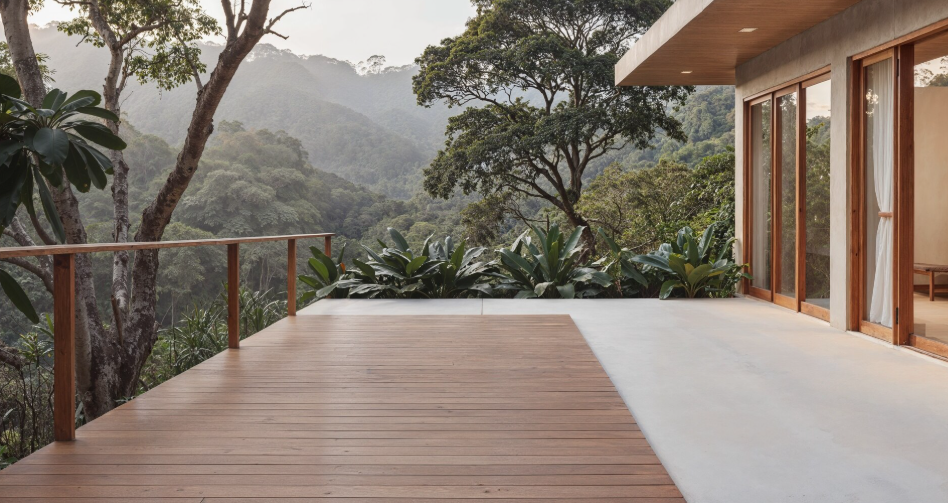
One of the attractive features of WPC decking is its design flexibility. Boards are available in various colours, surface textures, profiles, and finishes, allowing homeowners and designers to create outdoor areas that suit different properties.
WPC can work well around gardens, seating areas, balconies, terraces, and swimming pools. It can also be combined with railings, steps, lighting, planters, and other outdoor features. Careful planning of board direction, spacing, borders, and colours can create a clean and balanced appearance without making the space feel overly complicated.
Easy Maintenance
One of the main reasons people choose composite decking is its relatively simple maintenance routine. For homeowners comparing low-maintenance outdoor surfaces, https://tulou.com.sg/cwpc-decking/ can be an option worth considering alongside traditional timber decking. Timber decking may require regular staining, painting, or sealing to protect it from outdoor conditions.
Routine sweeping can remove leaves, dust, and loose debris. Occasional cleaning with suitable soap and water can help remove dirt and marks. Spills should be dealt with promptly, particularly when the decking has a textured surface that can hold residue. Cleaning instructions can vary between products, so harsh chemicals or unsuitable pressure-washing methods should be avoided unless specifically approved.
Installation Considerations
WPC decking can be straightforward to install when the correct materials, tools, and fixing systems are used. Many systems use concealed clips or compatible fastening components, creating a cleaner surface with fewer visible screws.
The supporting frame needs to be stable, level, and properly spaced according to the board manufacturer's requirements. Adequate drainage and ventilation beneath the decking are also important, especially in areas exposed to frequent rain or moisture.
Professional installation can be useful for larger or more complicated projects. Accurate measurements, appropriate spacing, and correct fixing methods can reduce problems and help the finished deck perform as intended.
Environmental Considerations
WPC decking can contain recycled wood fibres and recycled plastic, depending on the manufacturer and product range. Using recycled materials can reduce reliance on some virgin resources and make better use of existing materials.
Buyers should look at the manufacturer's material information, production practices, expected service life, and available recycling arrangements rather than assuming every composite board has the same environmental benefits. A durable product that remains useful for many years can reduce the need for frequent replacement.
Cost and Long-Term Value
WPC decking can have a higher purchase price than some basic timber decking options. The overall value, however, depends on more than the initial cost. Reduced staining, sealing, painting, and repair requirements can lower ongoing maintenance expenses.
A product that remains functional and attractive for many years may offer better value than a cheaper material that requires frequent treatment or replacement. Comparing warranties, specifications, maintenance requirements, installation costs, and expected performance can help buyers make a more informed decision.
Things to Consider Before Choosing WPC
Although WPC has many advantages, it is not suitable for every situation. Some boards can become scratched, stained, or marked through heavy use, and darker colours may become warmer in direct sunlight.
Buyers should consider the location, amount of sunlight, expected foot traffic, drainage, colour preferences, budget, and maintenance expectations. Following the manufacturer's installation and care instructions is equally important. Choosing boards designed for the intended conditions can help avoid unnecessary problems.
Creating a Better Outdoor Space
WPC composite decking offers a useful balance between appearance, durability, design flexibility, and manageable maintenance. It can provide a comfortable and attractive surface for gardens, balconies, patios, poolside areas, and other outdoor settings.
Its practical benefits make it worth considering for projects where traditional timber maintenance may be inconvenient. With careful product selection, proper installation, regular cleaning, and sensible care, WPC decking can remain a reliable part of an outdoor space for many years. Rather than focusing only on appearance or initial price, buyers should consider the complete needs of their space and choose a decking system that provides the right combination of performance, style, maintenance, and long-term value.