

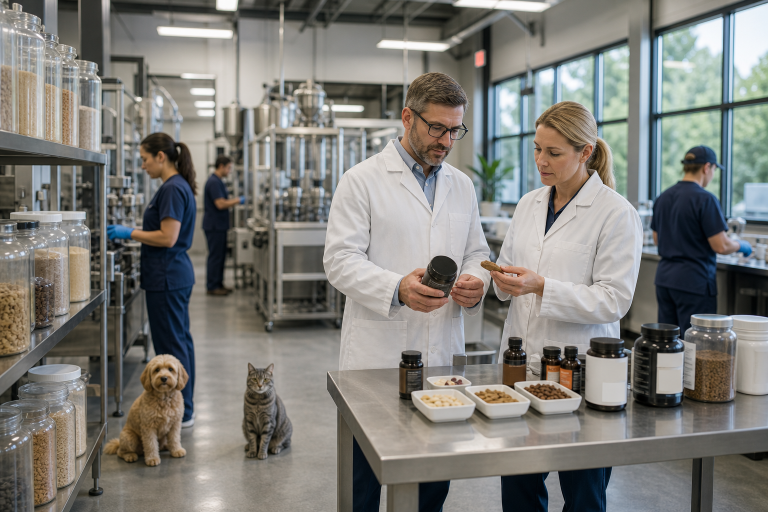
Creating a pet supplement is about more than choosing popular ingredients and an appealing package. A useful product needs a defined purpose, species-appropriate formulation, practical directions, and responsible claims from the first concept meeting onward. Brands working with a Makers Nutrition pet supplement manufacturer can use this process to ask better questions before a formula moves into production.
Whether the product is intended for dogs, cats, horses, birds, or another companion animal, every decision should reflect the animal's needs and the owner's ability to use the product correctly. Thoughtful planning also helps product teams avoid confusing labels, unnecessary ingredients, and promises that go beyond what the product can reasonably support.
Why Product Planning Matters
A pet supplement should begin with a specific animal need, not a vague goal of making a "complete" wellness product. A focused concept guides the formula, dosage, delivery format, label copy, and customer education. For example, a general daily chew and a product positioned for joint support may both be soft chews, but they require different ingredients, directions, and claim review.
Planning is also important because animal products are not handled the same way as human dietary supplements. Product ingredients and intended use can affect whether regulators view an item as animal food or as a drug. Teams should make regulatory review part of the development process, rather than treating it as a final packaging task.
Start With One Clear Purpose
A concise product brief keeps development decisions aligned. Begin by naming the target species, life stage, size range, wellness goal, format, and expected frequency of use. A cat product should not simply be a dog formula with smaller directions, and a senior animal may have different needs than a growing one.
It is also helpful to define when owners should contact a veterinarian before use. Those situations may include pregnancy, nursing, ongoing symptoms, known food sensitivities, diagnosed conditions, or concurrent medication use. A narrow purpose is not a limitation. It often produces clearer instructions and a more credible product.
[[ZAPIMG0]]
Match Ingredients to the Animal
Ingredients should never be selected solely because they are popular in human wellness products. Review whether each ingredient is appropriate for the intended species, its proposed amount, its expected role, and available safety information. Consider the whole formula, including active components, flavors, carriers, binders, preservatives, and any coating materials.
Pay special attention to allergies, dietary restrictions, calorie contribution, and nutrient overlap with a complete and balanced diet. Complex formulations and health-related concepts benefit from input from veterinarians, animal nutrition professionals, and qualified regulatory specialists. Their review can identify concerns before they lead to costly reformulations or customer complaints.
Review Serving Size and Format
The delivery format affects whether an owner can consistently provide the product. Select a format that fits the animal, the formula, and the intended daily routine.
- Chews: Convenient for many dogs, but flavor, texture, calories, and chewing ability matter.
- Powders: Easy to mix with food, although taste and measuring accuracy can affect acceptance.
- Capsules and softgels: Useful for certain formulas, but may be difficult for picky animals to swallow.
- Liquids: Flexible for mixing and dosing, but storage, oxidation, and freshness require close attention.
Directions should be simple enough to follow without guesswork. Weight ranges, a measurable daily amount, maximum-use guidance, storage instructions, and advice on giving the product with food can all reduce misuse.
Build a Clear Label
A clear label helps owners understand what the product is, who it is for, and how to use it safely. At a minimum, include the product name, intended animal, net quantity, complete ingredient list, feeding directions, warnings, storage details, manufacturer or distributor information, and a lot or batch identifier.
The FDA explains that animal food labels should describe the product and provide details needed for safe and effective use. Plain language is valuable because buyers should not need to decode technical marketing language to identify the species, serving amount, or important precautions.
Keep Product Claims Grounded
Claims should match the product's intended purpose and available support. Avoid statements suggesting that a product diagnoses, cures, treats, prevents, or mitigates disease unless the appropriate approval pathway applies. This standard applies beyond the container itself. Websites, advertisements, testimonials, social media, inserts, and sales materials should all use consistent wording.
Keep research notes, formula records, and claim reviews together. If an ingredient, dosage, target species, or format changes, evaluate the marketing language again. A casual phrase can create a much stronger impression of intended use when it appears on a product page or package.
Check Quality Before Launch
Quality control should confirm that the finished product matches the approved plan. Review ingredient sourcing, identity verification, purity and potency testing, written specifications, finished-batch testing, packaging suitability, stability, and lot traceability. Establish procedures for complaints, adverse event reports, product changes, and potential recalls before launch.
Do not treat every quality document as interchangeable. A certificate of analysis may provide test results for a material or batch. A manufacturing certification may address facility systems. A marketing badge may communicate a broad message but offer little technical detail. Ask what each document actually verifies.
Use a Simple Product Review Process
- Write the brief: Define the animal, goal, format, and intended use.
- Review every ingredient: Confirm identity, role, amount, and species suitability.
- Check the serving plan: Make sure owners can measure and administer it correctly.
- Review the label and claims: Confirm accuracy, readability, and consistency across channels.
- Test the finished product: Evaluate specifications, appearance, stability, taste, and package performance.
- Document approval: Retain final formulas, labels, results, and change records in one place.
Common Questions
Do all pets need a supplement?
No. A healthy animal eating a complete and balanced diet may not need additional vitamins or minerals. Supplementation should address a clear need, not replace sound nutrition or routine veterinary care.
Can a pet supplement replace veterinary treatment?
No. Owners should seek veterinary guidance for persistent symptoms, diagnosed conditions, or medication questions. If a reaction occurs, stop use, contact a veterinarian, and retain the container, lot number, purchase information, and symptom notes.
Why does AAFCO information matter?
For brands selling across states, AAFCO labeling guidance helps explain model regulations, ingredient descriptions, and common pet food claim concepts. It is a useful reference during label development, although teams should still review the rules that apply where the product will be distributed.
Final Checklist
- Is the product designed for a clearly named animal?
- Is its main purpose specific and easy to understand?
- Does every ingredient have a defined role?
- Are directions measurable and practical?
- Do the label, website, and advertising use consistent claims?
- Can every finished batch be traced?
- Have quality records and professional reviews been completed?
A safer pet supplement starts with disciplined product planning. When teams focus on purpose, animal suitability, clear directions, accurate labeling, realistic claims, and documented quality controls, they create products that are easier for owners to use and easier for customers to trust.