
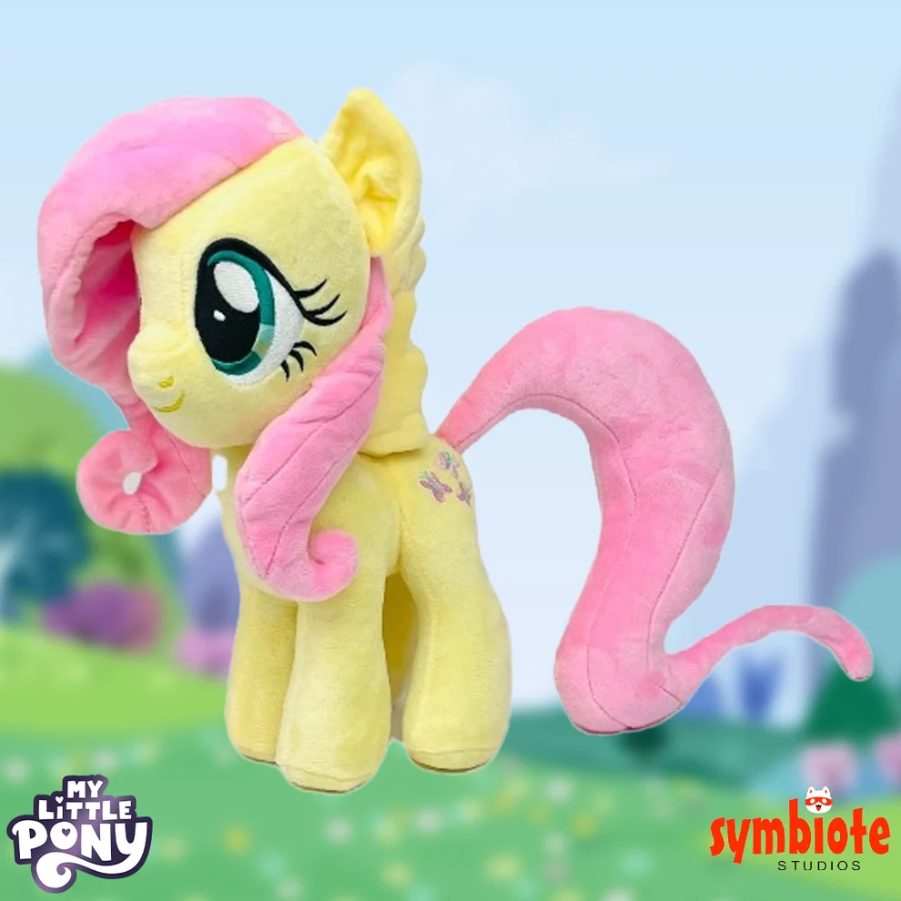
Imagine a package arriving on a quiet Saturday morning. It’s nicely wrapped and ready to reveal the My Little Pony plush you’ve been looking for. Inside is a plush that looks just like the one in the old photos you found while searching. The colors look familiar, the mane is intact, and the face of the character is instantly recognizable.
Then, as you turn the plush over, something catches your attention. The tag is not exactly what you anticipated, and all of a sudden, the excitement fades and turns into a real doubt: is this actually the official plush that you were supposed to purchase? It is at that point that a more detailed examination is important.
Authenticating My Little Pony plush involves seeing past the general look of the plush and examining the minor details that define a specific release. Each of these details might help you paint a better picture as to whether this plush is authentic. So, here are five key checks to consider to give you a better idea of what to look for.
1. Check Tag and Markings
Begin with the sewn-in tag because it provides the first useful clues about a plush’s identity. Check for the My Little Pony name, copyright information, manufacturer details, country of origin, product number, and other markings.
Then compare them with records or photographs for the specific character and release. Do not dismiss a plush simply because its tag differs from a newer product. Older releases and licensed manufacturers can use different labels. Instead, compare it with records for the version you are examining.
If the tag appears inconsistent with the claimed release, investigate further. This check is useful when shopping for MLP plushies because clear tag photos give you something concrete to compare.
2. Compare Character Details
Check the tag and then inspect the character and compare it to verified examples of the same version. Pay attention to the eyes, embroidery of the face, the color of the mane and tail, the cutie mark, wings, horn, and accessories. A combination of these details provides you with a better basis for comparison than when you are looking at a single feature.
Instead of just one picture you find online, verify some specific details with reliable reference pictures to be more confident of the match. Depending on lighting, colors can be altered, and old plush toys may be worn out.
Since My Little Pony has existed in various generations, be sure to specify the same version of the character in your reference. Similar photo angles also make differences in shape and proportions easier to spot.
3. Inspect Stitching and Materials
After comparing the character details, take a closer look at how the plush itself is made. Look closely at the seams, stitching, embroidery, fabric, and stuffing. Then check how the accessories and other features are attached.
Compare these details with verified examples of the same release, focusing on repeated patterns. Poorly finished seams, loose features, rough embroidery, or noticeably different materials can raise questions. However, construction alone is not enough to confirm that a plush is fake.
Older toys may show fading, flattened stuffing, loose threads, or wear. Use these signs as supporting evidence, then compare them with the tag and character details already checked. Pay particular attention to embroidered details and fabric joins.
4. Verify the Release History
Once the physical details look right, check whether the plush matches a documented release. Begin by determining the character and the series or generation. Then cross-reference its release date and maker, size, and major features with trusted sources or collector books.
This prevents the supposition that all versions of a well-known character were published officially. Notable differences can occur between different generations, manufacturers, and regional releases.
Recent coverage of collectors emphasizes the extensive scope of MLP merchandise and plush collections, so it is worth paying attention to the exact release. In case you fail to locate a record, do not suspect the plush to be fake. The records can be incomplete, and hence the missing information should be used as an excuse to validate other details.
5. Review the Seller and Provenance
Review the seller’s history and listing photos first. Then check the description, claimed source, return policy, and packaging or purchase information. If important areas are hidden, request clear close-up photos of the tag, face, seams, markings, and packaging before buying.
At this point, compare the seller’s claims with everything you found in the first four checks. Words such as “rare,” “vintage,” or “official” do not establish authenticity by themselves.
Likewise, an unusually low price is a reason to investigate, not automatic proof of a counterfeit. When the physical details, release information, and provenance all match, the evidence for authenticity becomes much stronger.
Conclusion
Identifying an authentic My Little Pony plush becomes easier when several clues are checked together instead of relying on appearance alone. Tags establish identification details, character features confirm the design, construction reveals inconsistencies, release records show whether the version existed, and provenance adds context about its source.
Take each step slowly and compare similar examples. If something does not match, pause before buying and request more information. This approach helps you make a more informed decision without relying solely on appearance, price, or a seller’s description when making a purchase.