
As retirees seek secure methods to supplement their income, the concept of a reverse mortgage has gained significant attention. A reverse mortgage offers an opportunity for older homeowners to unlock the equity in their property without the obligation to make monthly repayments. This article provides a detailed explanation of reverse mortgages and explores how they can be used as a tool for financial security during retirement.
What Is a Reverse Mortgage?
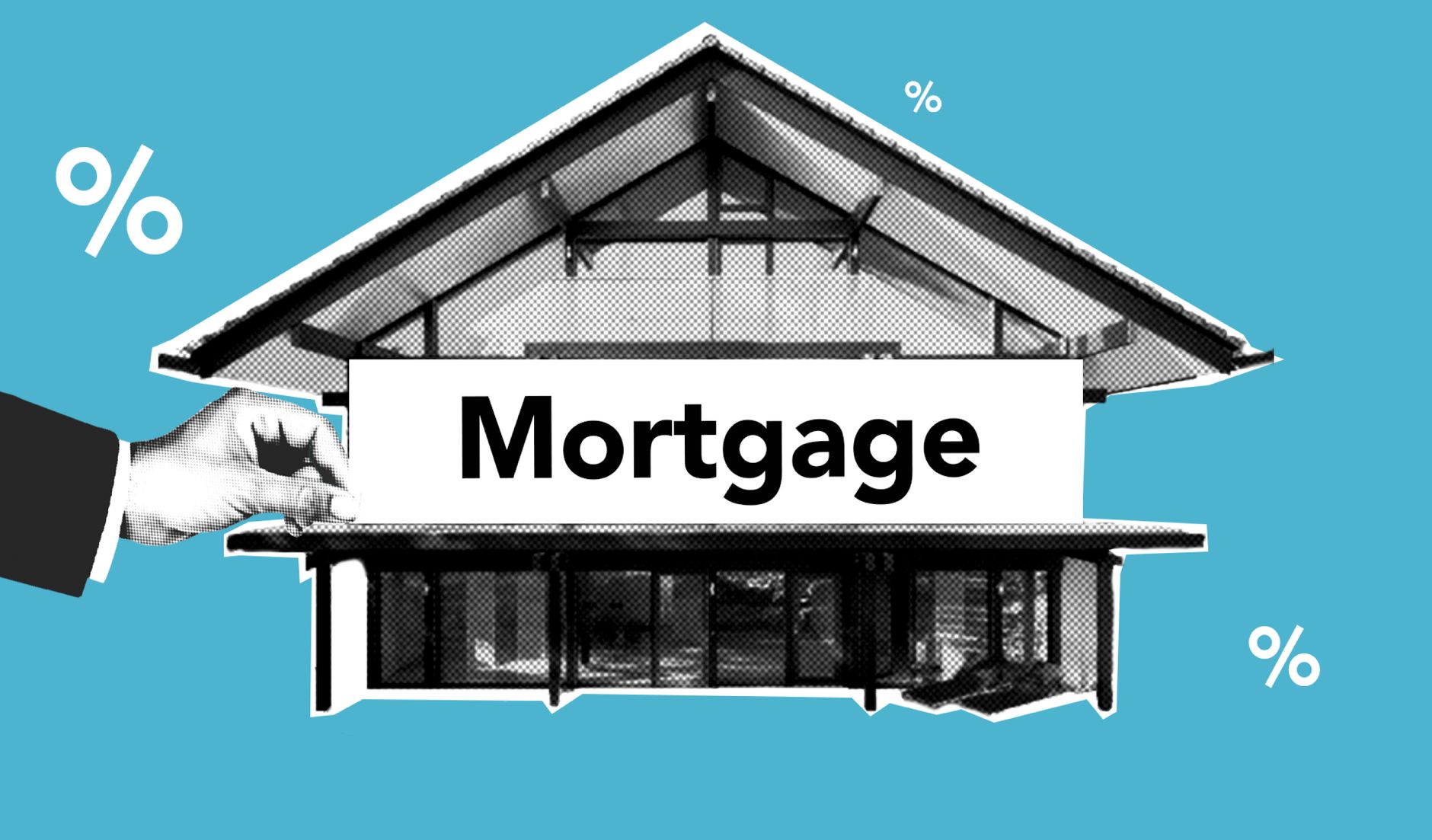
A reverse mortgage is a specialised type of loan available to homeowners who are typically aged 60 or older. It allows them to convert part of the equity in their home into cash. Unlike a traditional mortgage, where the borrower makes monthly payments to the lender, in a reverse mortgage the lender makes payments to the borrower. The loan is repaid when the homeowner sells the property, moves out permanently, or passes away.
Eligibility Criteria for a Reverse Mortgage
To qualify for a reverse mortgage, certain requirements must be met. These generally include age restrictions, property type, and equity amount. Most providers require the borrower to be at least 60 years old and to own the property outright or have a low mortgage balance. The property is usually a primary residence such as a house or unit, and it must meet specific standards regarding value and condition.
How Reverse Mortgages Work
Once approved, homeowners can choose to receive the loan amount as a lump sum, regular payments, or a line of credit to be accessed as needed. The amount available depends on factors such as the value of the home, the borrower’s age, and current interest rates. Importantly, the loan amount does not have to be repaid until the borrower no longer resides in the home for a sustained period.
Benefits of a Reverse Mortgage for Retirement Financing
A reverse mortgage enables retirees to supplement their income without selling their home or taking on new monthly debts. It offers financial flexibility and can be used for various purposes, including home renovations, healthcare expenses, or everyday living costs. Since the loan repayment is deferred, borrowers can maintain a stable cash flow during retirement, enhancing their quality of life.
Understanding the Costs Involved
While a reverse mortgage can be beneficial, it is crucial to consider the associated costs. These typically include application fees, valuation fees, interest charges, and loan establishment fees. The interest on the loan accumulates over time, increasing the total amount repayable. Therefore, understanding the fee structure and long-term financial impact is essential before proceeding.
Impact on Inheritance and Estate
One of the common concerns regarding reverse mortgages is the effect on inheritance. Since the loan must be repaid when the property is sold or the homeowner passes away, any remaining equity after the loan repayment forms part of the estate. If the loan amount exceeds the home’s value, the lender bears the loss, as reverse mortgages are generally non-recourse loans.
Comparing Reverse Mortgages to Other Retirement Financing Options
Retirees often consider reverse mortgages alongside other financial products such as downsizing, equity release through home reversion plans, or government pensions. Each option has its advantages and limitations. A reverse mortgage may offer greater flexibility and control but requires careful assessment against personal circumstances and alternatives.
Risks Associated with Reverse Mortgages
Potential risks include decreasing home equity due to interest accrual, the possibility of foreclosure if property taxes or insurance are not maintained, and the impact on eligibility for means-tested government benefits. Understanding these risks is essential to ensure that a reverse mortgage aligns with long-term financial goals.
The Role of Financial Advice
Given the complexity of reverse mortgages, obtaining impartial financial advice is strongly recommended. A qualified financial adviser can help assess suitability, explain the terms in detail, and explore other retirement financing options. This guidance is crucial for making an informed decision that safeguards the homeowner’s financial security.
Common Misconceptions About Reverse Mortgages
There are several misconceptions, including the belief that the lender gains ownership of the home or that the borrower will be forced to move out. In reality, the borrower retains full ownership and the right to live in the home as long as they meet loan conditions. Clearing such misunderstandings is important for potential borrowers to make confident choices.
Regulatory Framework and Consumer Protection
Reverse mortgage providers operate within a regulatory framework designed to protect consumers. This includes standards for advertising, responsible lending, and clear disclosure of costs. Potential borrowers should review these protections to ensure they engage with reputable lenders and understand their rights.
Steps to Apply for a Reverse Mortgage
The application process typically involves an initial consultation, property valuation, financial assessment, and formal loan approval. Homeowners should prepare relevant documents such as proof of ownership, identification, and financial statements. Engaging with a specialised lender experienced in reverse mortgages can simplify the process.
Typical Repayment Scenarios
Repayment of a reverse mortgage occurs under certain circumstances: when the homeowner sells the property, permanently moves out, or passes away. The loan balance, including accrued interest and fees, is usually paid from the proceeds of the home sale. If the home is sold for less than the loan amount, the borrower or estate is not liable for the shortfall under most plans.
How Reverse Mortgages Are Evolving
The market for reverse mortgages continues to develop, with new products offering increased flexibility, lower fees, or alternative payment structures. Providers are responding to demographic changes and consumer demand for retirement solutions, making it an area to watch for homeowners considering their options.
Final Considerations for Potential Borrowers
Before proceeding with a reverse mortgage, comprehensive research and analysis of personal financial circumstances are necessary. It is advisable to consult with financial professionals, family members, and trusted advisers. When utilised appropriately, a reverse mortgage can be a valuable component of a retirement financing strategy, providing financial security and peace of mind.