
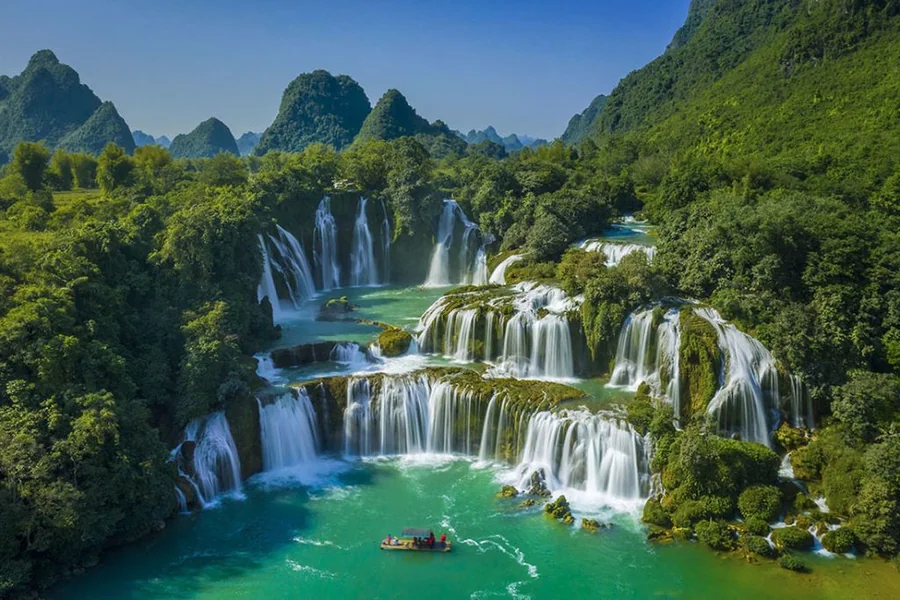
The region of Southeast Asia continues to be among the most captivating parts of the world to travel to due to its numerous tropical beaches well-preserved temples the bustling metropolis, tasty street cuisine and its affordable nature of exploration. The first-time travellers are looking into ideally the best Southeast Asia Itinerary 2 Weeks to imbue multiple countries in not feeling hurried or harassed.
Though there are numerous destinations in Southeast Asia, 2 weeks will enable a traveler to have a perfect blend of culture nature nightlife history, as well as relaxation. Depending on the mode of travel and budget countries such as Thailand Vietnam Cambodia and Singapore are popular routes.
The thing is that it is better to plan comparatively since it can influence the whole experience as the transportation times and the crossings of the weather affects the visa requirements. Having a properly planned itinerary can assist the traveler in maximizing on activities and minimize the fatigue caused by constant visits.
This guide covers a real world two week round trip of Southeast Asia, including the destination recommendations, travel tips and budgets of the trip, and also some key planning points that are to be considered by the first time traveler.
Why Southeast Asia Is Perfect for Two-Week Trips
The relatively small distance between the countries and the well-developed transportation system makes southeast Asia a great destination to have shorter international trips.
Budget airlines, buses and cheap accommodation enables the traveler to visit many places in a given short period of time.
The area is also endowed with amazing variety. Within one trip modern cities, tropical islands, mountain landscape, old temples, local markets, and famous street cuisine of the world can be offered.
The other great thing is affordability. Southeast Asia tends to be less expensive in terms of accommodations food travel and other activities when as compared to most western destinations.
Visitors are also won over by the hospitable culture of warm hospitality and well-developed backpacker facilities in most parts of the region.
It can never be a month of fun in Southeast Asia but two weeks can offer a lot of time to venture into some of the best moments in Southeast Asia.
Days 1 to 4: Start in Bangkok and Northern Thailand
Bangkok is the starting point of most tourists on a Southeast Asia trip due to its status as a major international transport centre and one of the largest in the region.
Bangkok is a city that blends skyscrapers full of modern technology with street markets on the roofs of buildings and on the top of the temples with the night life. Often, visitors enjoy grand palaces like Grand Palace and Wat Arun and other landmarks topping their vacation with several days with Thai street food and river cruises.
Thai food also serves as a big attraction to numerous tourists. Foods such as pad thai mango sticky rice green curry, tom yum soup are commonly found across the city.
Many of these travelers are offering overnights or air transportation after Bangkok to Chiang Mai in northern Thailand.
Chiang Mai is less in the pace with its mountain-templed scenery night markets, elephant sanctuaries and cooking lessons. It is also common in day trips to jungles and villages of waterfalls.
Beginning the journey in Thailand will be an easy giving experience of the Southeast Asian traveling culture and transportations.
Days 5 to 8: Visit Cambodia and Angkor Wat
Many of the Thai travelers go further to Siem Reap that leads to the popular Angkor Wat temple complex.
Angkor Wat makes it to the emotional climax in many Southeast Asia travel plans and is considered as one of the most significant archaeological attractions in the world.
Typically, the visitors spend two or more days to visit the temples such as Bayon Ta Prohm and Angkor Thom. Sunrise in Angkor Wat is particularly famous due to the dramatic light effect and atmosphere.
The city of Siem Reap alone has a nightlife and cultural performances market other than the temples.
Museums and local tours also offer a chance to study the resilience of the country and its culture as well as through museums.
Siem Reap has a relaxed atmosphere, which serves as a pleasant contrast to Bangkok, and Chiang Mai.
Days 9 to 12: Experience Vietnam’s Cities and Food
Following Cambodia, there are many travelers who proceed to Ho Chi Minh City or Hanoi basing on their interests and routes.
Vietnam promises unbelievable history and culture of its food, its motorbikes crowded streets, and spectacular scenery.
Ho Chi Minh City is a fast-paced modern and energetic city and Hanoi is a combination of colonial architecture lakes temples and old neighborhoods.
Vietnamese food is one of the greatest attractions to tourists. Vietnamese coffee and pho banh mi spring rolls are particularly good.
Historical tourists tend to visit cultural sites, museums and war memorials; food tourists tend to visit markets and local cafes.
Provided that there is time to spare, some of the travelers may put in short tours to areas such as Ha Long Bay or the Mekong delta.
Vietnam offers a cultural spectacular and is harmonized well with the beaches temples and night life of other regions of Southeast Asia.
Days 13 to 14: Relax in Singapore or a Beach Destination
The last days of the itinerary are usually dedicated to shopping on relaxation before international exits or in the contemporary city.
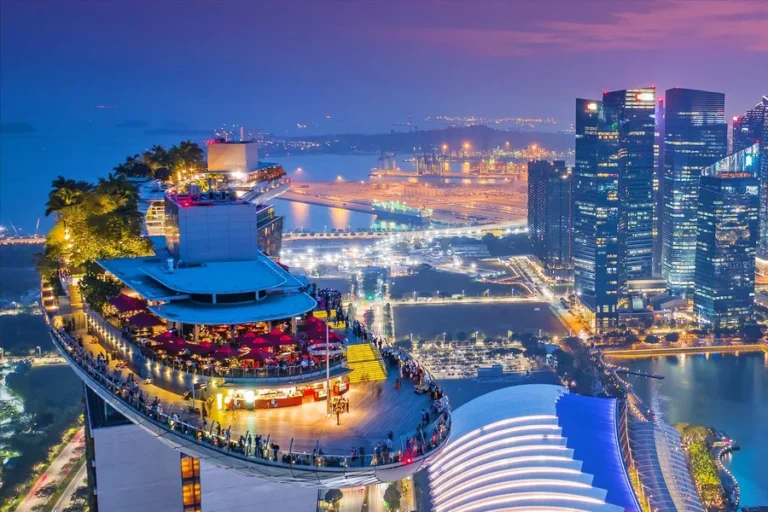
A significant number of tourists visit Singapore due to its modern transport network and cleanliness as well as due to excellent airport networks.
Sights of interest are Marina Bay Sands Gardens by the Bay, and the popular food markets in the city.
Singapore is an ideal place to see as the culmination of a hectic regional journey with its state-of-the-art amenities and systems.
Avoiding the hassle of a big city vacation, travelers planning on visiting beach resorts might visit southern Thailand or cities in Vietnam as their last stop.
Slower-paced experiences do not spoil a focus but rather allow the traveler a time to recuperate before going back home after a active two week trip.
Budget Tips for Southeast Asia Travel
Southeast Asia is comparatively cheap but the travelling expenses in different countries and destinations differ.
Thailand and Vietnam are likely to offer superior value of food accommodation and transport and Singapore is likely to be higher.
On a budget, travelers often take the accommodations of hostels guesthouses or cheap hotels that can be found all over the area.
Street food is a way to lower the cost of the meals, as well as experience the local culture. A lot of the most delicious food in Southeast Asia is available in small family-owned stalls and markets.
Traveling by low-cost carriers saves time across countries but earlier reservation is usually seen to be cheaper.
The transportation and accommodation costs are also minimized using night buses and trains.
It is also prudent to always carry cash since some smaller shops markets and transportation providers do not accept cards.
Important Travel Tips for Southeast Asia
Preplanning assists in making the Southeast Asia travelling a lot easier and less hectic.
It is important to check the visa requirements prior to departure as the set rules differ by the nationality and country.
Weather varies throughout the area too. The monsoon seasons vary in other locations such as which months are sunny and which months do not have a sun.
Lightweight breathable clothes are useful that is packed because of the tropical climate. It is also good to have comfortable walking shoes, sunscreen, insect repellents and raincoat.
Yielding to local traditions and dress code particularly to the temples and religious sites is crucial.
It is advisable to have travel insurance since transportation delays diseases and other accidents may occur at any time.
Consuming bottled or filtered water can also prevent the traveler to have stomach issues in some places.
Flexibility is also one of the most appropriate strategies of traveling in the Southeast Asia since the transportation schedules and plans may be altered rapidly.
Balancing Adventure and Rest
The most common error that first-time traveler makes is showing the urge to see many places in a limited period of time.
Southeast Asia is cheap and even with the linked transportation, time and constant movement can be tiresome.
Evening beach time cafes or lazy evenings can be a great addition to the overall experience.
Travel tends to be more fun when travelers have sufficient time to take in food scenery and ambience of local culture rather than rushing in and out of airports and buses.
An enhanced itinerary is more memorable and minimises burnout on travel days occurring over extended periods.
Final Thought
The balance of the ideal Southeast Asia Itinerary 2 Weeks guarantees seeking culturally adventurous relaxation transportation and budget plans, not to cause undue scurrying. Despite this, even the time travelers are able to visit amazing temples beaches cities street food and landscapes of various countries within limited time.
Thailand, with its bustling markets, and Cambodia with its ancient temples and Vietnam with her food culture and Singapore with modern skyline Southeast Asia has amazing experiences to offer to first-time travelers.
By carefully planning leeway and an achievable tempo tourists are enabled to experience a memorable trip to one of the most versatile and thrilling travel areas in the world.
FAQs
Is two weeks enough for Southeast Asia travel?
Yes two weeks allows travelers to visit multiple countries and experience major highlights comfortably.
What countries are best for a first Southeast Asia trip?
Thailand Vietnam Cambodia and Singapore are popular choices for first-time travelers.
Is Southeast Asia affordable for tourists?
Yes many Southeast Asian countries offer budget-friendly accommodations food and transportation.
What is the best time to visit Southeast Asia?
The dry season between November and February is often considered the best time for many destinations.
Do I need visas for Southeast Asia countries?
Visa requirements depend on your nationality and the countries you plan to visit.