
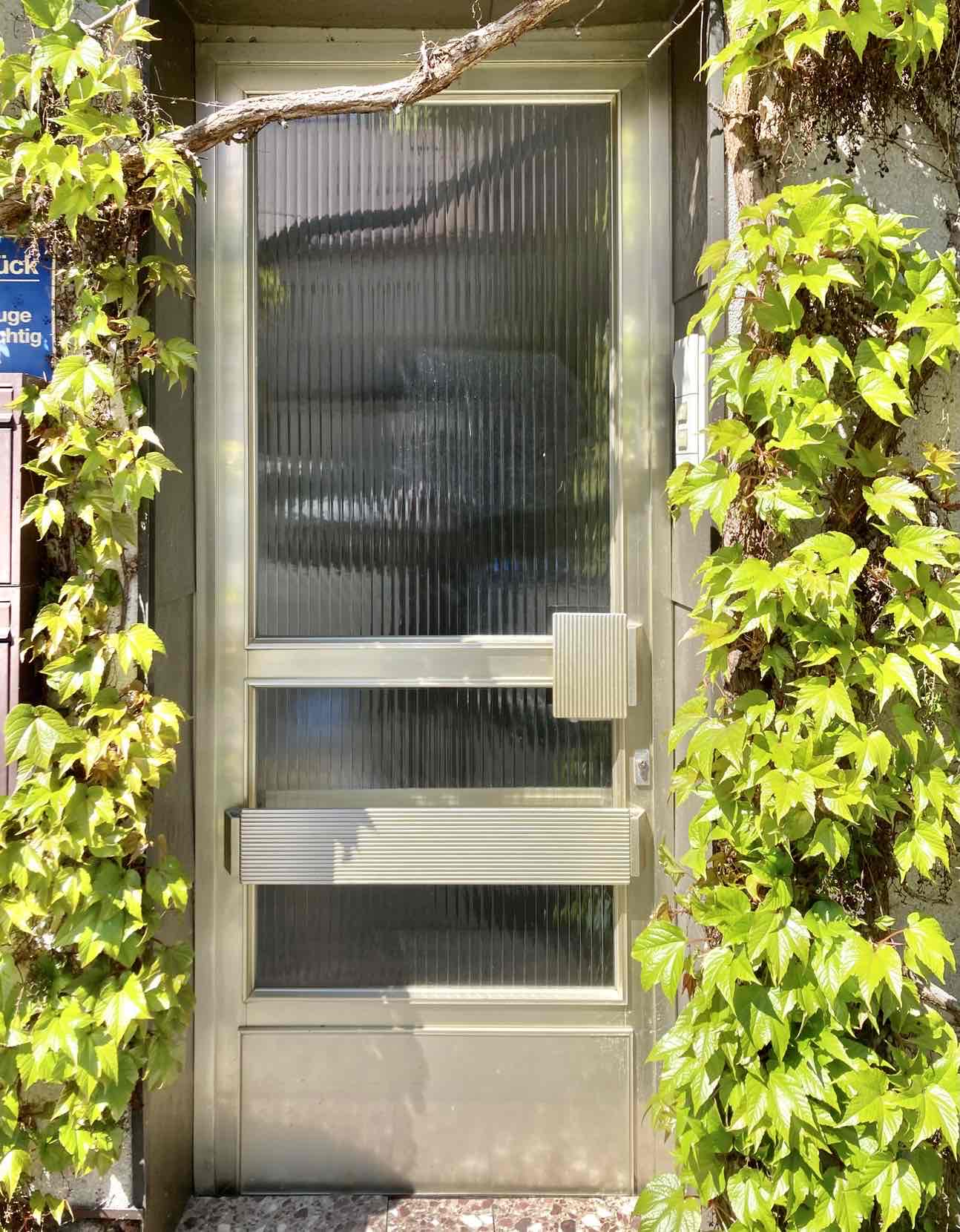
When designing modern architectural spaces, the entrance door plays a critical role. It’s not just the gateway to a home or building but also a defining statement of style, functionality, and vision. The debate about whether to choose aluminum or wooden entrance doors often arises, especially when balancing contemporary aesthetics, durability, and long-term performance.
While wooden doors have traditionally been the go-to option for warmth and classic charm, aluminum entrance doors have become a favorite in modern architecture due to their minimalist appeal, resilience, and customization options. In this blog, we’ll explore why aluminum entrance doors are the perfect fit for modern architecture when compared to wood.
1. Aesthetics That Complement Modern Design
Aluminum: Minimalist, Sleek, and Contemporary
Modern architecture focuses on clean lines, simplicity, and the seamless integration of materials. Aluminum entrance doors embody all of these principles:
- Slim Profiles: Aluminum’s structural strength allows for thinner frames, maximizing the surface area for glass or creating a streamlined look.
- Customization: Aluminum doors can be powder-coated in a multitude of colors and finishes, from matte neutrals to bold metallics, ensuring they fit any modern design palette.
- Design Versatility: Aluminum doors can accommodate large panels of glass, creating a sense of openness and connection with outdoor spaces—a hallmark of modern architecture.
Wood: Timeless, But Not Always Modern
Wooden doors bring a sense of tradition and charm, but they often struggle to align with the sharp, minimalist aesthetic of modern architecture:
- Thicker Frames: Wood requires thicker profiles to maintain structural integrity, which can detract from the sleek appearance popular in contemporary designs.
- Fewer Finish Options: While you can stain or paint wood, it lacks the vast customization variety aluminum offers, especially for metallic or industrial tones.
- Visual Bulk: Wooden doors often feel heavier and more traditional, which may clash with modern architectural concepts.
Winner: Aluminum (for seamless integration into modern design).
2. Longevity and Resistance to Wear
Aluminum: Built to Withstand the Test of Time
Modern architecture not only emphasizes style but also practicality. The materials used must be durable. Aluminum entrance doors excel in this regard:
- Resilience Against Weather: Rain, humidity, and sunlight have little impact on aluminum, as its finishes are resistant to corrosion, warping, and fading.
- Durability in Urban Settings: Aluminum survives extreme climates and air pollution, making it particularly suitable for urban or coastal environments.
- Minimal Aging: Aluminum retains its new look over decades with minimal color fading or surface deterioration.
Wood: Prone to Environmental Damage
- Swelling and Warping: Wooden doors are highly susceptible to moisture, causing them to swell, warp, or crack in humid or wet environments.
- Pest Problems: Wood is vulnerable to insect infestations like termites, especially if not treated regularly.
- High Maintenance Needs: Wood requires regular sealing, staining, or painting to protect against environmental factors, significantly increasing upkeep.
Winner: Aluminum (for durability and resistance to environmental factors).
3. Energy Efficiency
Aluminum: Advanced Technology for Better Insulation
Contrary to outdated assumptions about metal doors being poor insulators, modern aluminum entrance doors are engineered to be exceptionally energy-efficient:
- Thermal Break Technology: Aluminum frames now incorporate thermal breaks, which are insulating materials inserted inside the frames to reduce heat transfer.
- Glazing Integration: Aluminum doors are often paired with double or triple-glazed glass, enhancing their insulation performance.
- Sustainability Bonus: The energy efficiency of aluminum doors helps reduce heating and cooling costs, supporting environmentally conscious living.
Wood: Naturally Insulative but Short-Lived
Wood is a natural insulator but:
- Moisture Damage Compromises Performance: When exposed to excess moisture, wooden doors can swell or crack, diminishing their insulating abilities over time.
- Gaps Over Time: Wood expands and contracts with changing weather, leading to gaps that let air drafts in, compromising energy efficiency.
Winner: Aluminum (for advanced insulation technology).
4. Low Maintenance Requirements
Aluminum: Minimal Effort, Maximum Longevity
Modern homeowners value materials that allow them to focus on living rather than worrying about upkeep. Aluminum entrance doors provide this convenience:
- Corrosion-Resistant Finishes: Powder-coated or anodized aluminum doesn’t require repainting, varnishing, or touch-ups.
- Effortless Cleaning: A simple wipe with soapy water keeps aluminum functional and visually appealing for years.
Wood: High Maintenance and Time-Consuming
Wooden doors, while beautiful, demand consistent attention:
- Regular Treatments: Wood needs to be painted, stained, or sealed frequently to prevent moisture absorption and damage.
- Sensitive to Weather: Even with maintenance, wood deteriorates faster than aluminum in harsh conditions.
Winner: Aluminum (for its low-maintenance design).
5. Sustainability and Environmental Impact
Aluminum: Eco-Friendly and Recyclable
As modern architecture increasingly prioritizes sustainability, aluminum stands out as an environmentally sound option:
- Recyclability: Aluminum is 100% recyclable without losing its structural quality or aesthetic properties.
- Long-Lasting Lifespan: Aluminum’s longevity reduces the need for frequent replacements, lowering waste over time.
- Energy-Efficient Manufacturing: Advances in aluminum production have minimized energy consumption and emissions associated with its creation.
Wood: Renewable But Resource-Intensive
While wood is renewable, there are challenges:
- Deforestation Impact: Unsustainable logging can deplete natural forests, posing environmental concerns.
- Chemical Treatments: Wood requires environmentally harmful coatings and preservatives to make it weather-resistant, which diminishes some of its eco-credentials.
Winner: Aluminum (for recyclability and minimal long-term environmental impact).
6. Design Versatility
Aluminum: Tailored to Modern Needs
Modern architecture thrives on flexibility and innovation, and aluminum entrance doors deliver:
- Bespoke Shapes and Sizes: Aluminum doors can accommodate large panels or unique shapes without compromising strength.
- Multi-Panel Options: Sliding or bi-folding aluminum entrance doors are perfect for contemporary architectural trends.
- Seamless Glass Integration: The strength of aluminum allows for expansive glass areas, blending indoor and outdoor spaces.
Wood: Limited by Structural Needs
- Weight Constraints: For larger designs, wood becomes cumbersome and structurally limiting.
- Maintenance Affects Customization: Over time, wooden doors may lose their finish or shape, impacting their design appeal.
Winner: Aluminum (for unlimited customization potential).
7. Cost vs. Long-Term Value
While aluminum doors may have a higher upfront cost, their long-term value outweighs the initial expenditure:
- Low Upkeep Costs: Unlike wood, aluminum doesn’t require regular maintenance or replacements.
- Longevity: Aluminum doors can last over 30 years, offering excellent value over time.
Wooden doors are often cheaper initially, but their maintenance, repair, and replacement costs can escalate, making them a more expensive choice in the long run.
Winner: Aluminum (for superior long-term value).
Aluminum for Modern Design Excellence
Modern architecture demands materials that balance form and function, innovation and longevity. While wood has its place in traditional or rustic designs, aluminum entrance doors are perfectly tailored to the sleek, inspiring designs of modern homes and buildings.
With their superior durability, modern aesthetics, low maintenance, and energy-efficient technology, aluminum entrance doors surpass wood as the ultimate choice for contemporary design. Whether you’re looking to add a bold focal point or create an indoor-outdoor fusion, aluminum doors offer the flexibility, resilience, and design appeal to elevate any modern architectural vision.