

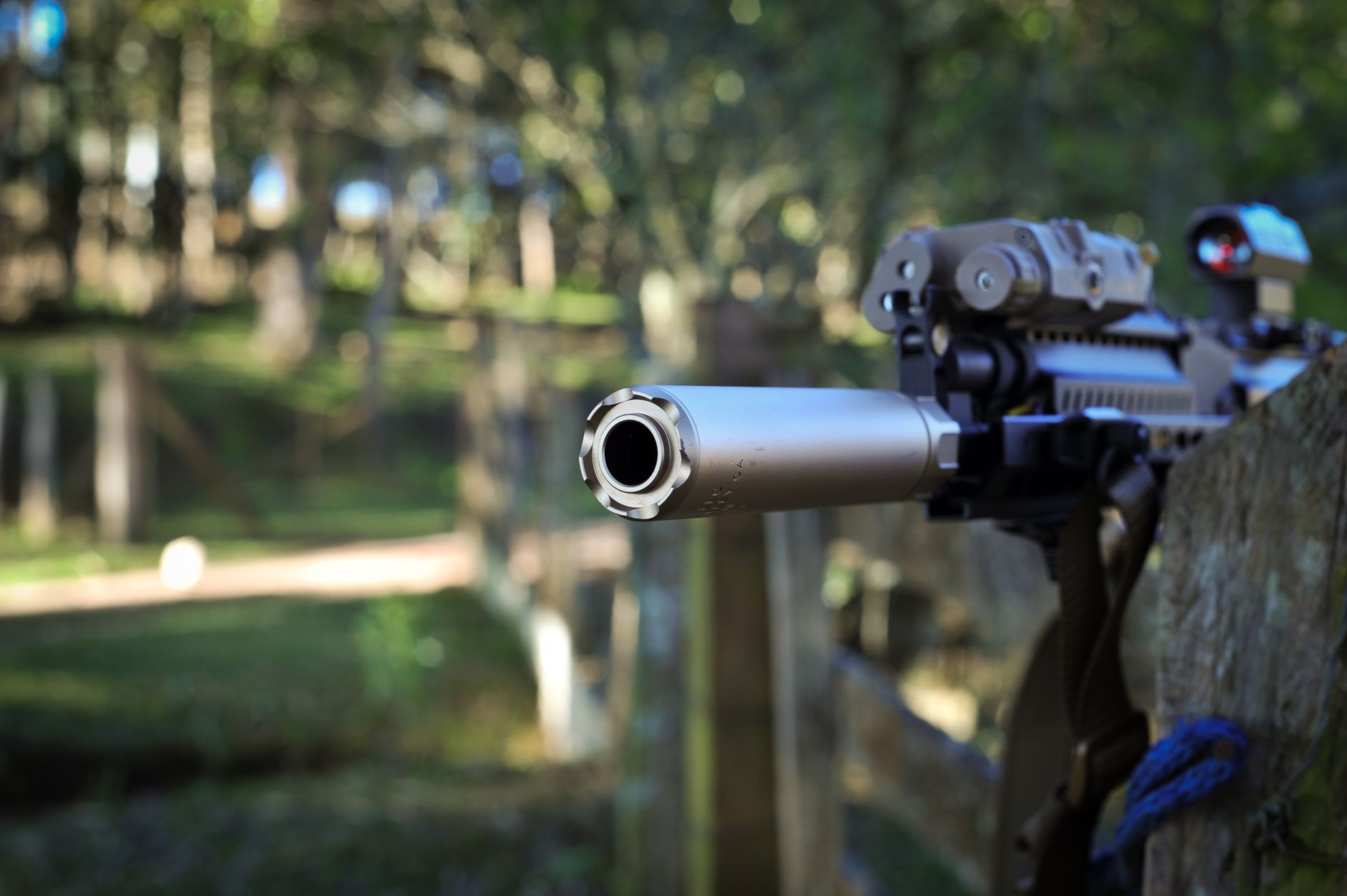
Precision rifle shooters need equipment that supports controlled and dependable firearm performance. A muzzle-mounted sound-reduction device adds length and weight, so buyers should examine mounting format, recoil reduction, construction, caliber approval, and barrel requirements. Published specifications help shooters compare suitable models without relying on one feature alone. The following sections explain which qualities deserve the closest attention.
Precision-Focused Design Should Guide the Search
A rifle silencer developed for precision use should combine sound reduction, recoil control, and dependable construction. These qualities support a more controlled shooting experience without reducing the selection process to one performance figure. Buyers should begin with models listed for rifle applications and approved for the intended host firearm.
Product descriptions may identify compatible firearm types and recommended applications. Some models support bolt-action and semi-automatic rifles, whereas others carry ratings for demanding professional or training use. Reviewing those details helps narrow the options before comparing secondary features.
Secure Mounting Supports Dependable Attachment
The mounting system determines how the device connects to the rifle. Available formats may include direct-thread mounts and compatible quick-detach systems. A silencer must attach firmly and remain properly aligned with the firearm bore.
Quick-detach systems can provide secure attachment and convenient removal when paired with compatible muzzle devices. Buyers should compare the available mounting options and follow the fitment guidance listed for the selected model. Thread pattern, adapter type, muzzle component, and product body must work together correctly.
Length and Weight Affect the Complete Setup
Product pages commonly list body length, mounted length, diameter, and total weight. Each measurement affects the complete firearm configuration and can change how the rifle feels in supported or field positions. Lightweight titanium models reduce added muzzle mass when weight savings matter.
Mounting hardware can also change the final dimensions. Direct-thread adapters, quick-detach mounts, and compatible muzzle devices may produce different installed lengths and weights. Buyers should compare the full mounted setup instead of reviewing the device body alone.
Recoil Reduction Supports Greater Control
Rifle-focused models are designed to reduce noise and recoil. Lower recoil can support a more controlled shooting experience and help the firearm remain steadier after each shot. This feature deserves attention when comparing options for precision applications.
Performance can differ according to the selected cartridge, host firearm, barrel length, and configuration. Product descriptions explain which roles each model is designed to support. Shooters should compare those stated uses with their own rifle setup.
Construction Materials Reflect Product Purpose
Rifle models may use titanium, stainless steel, Cobalt 6, or other high-strength alloys. Each material appears in product specifications alongside information about weight, durability, and intended use. These published details offer a stronger basis for comparison than general assumptions.
Titanium options provide lower weight for approved bolt-action and semi-automatic applications. Other constructions may carry heavy-duty, professional-grade, or full-auto ratings. Buyers should rely on the listed usage category rather than selecting a model from material alone.
Sound Data Requires a Relevant Comparison
Published sound testing provides measurable information for specific products and configurations. Owner’s manuals may list caliber, barrel length, ammunition, muzzle readings, and shooter-ear readings. These details help readers interpret each result more accurately.
Ammunition type and barrel length can affect acoustic performance. One published figure should therefore not represent every approved host firearm or cartridge. Model-specific testing provides a clearer comparison for precision rifle shooters.
Precision rifle shooters should compare verified specifications rather than focusing on one feature alone. A suitable silencer must match the rifle’s caliber, barrel requirements, mounting system, and intended role. Weight, dimensions, recoil reduction, construction, and published sound data also deserve careful review. Product manuals, compatibility guides, and technical specifications provide the most reliable basis for selecting a properly matched configuration.