

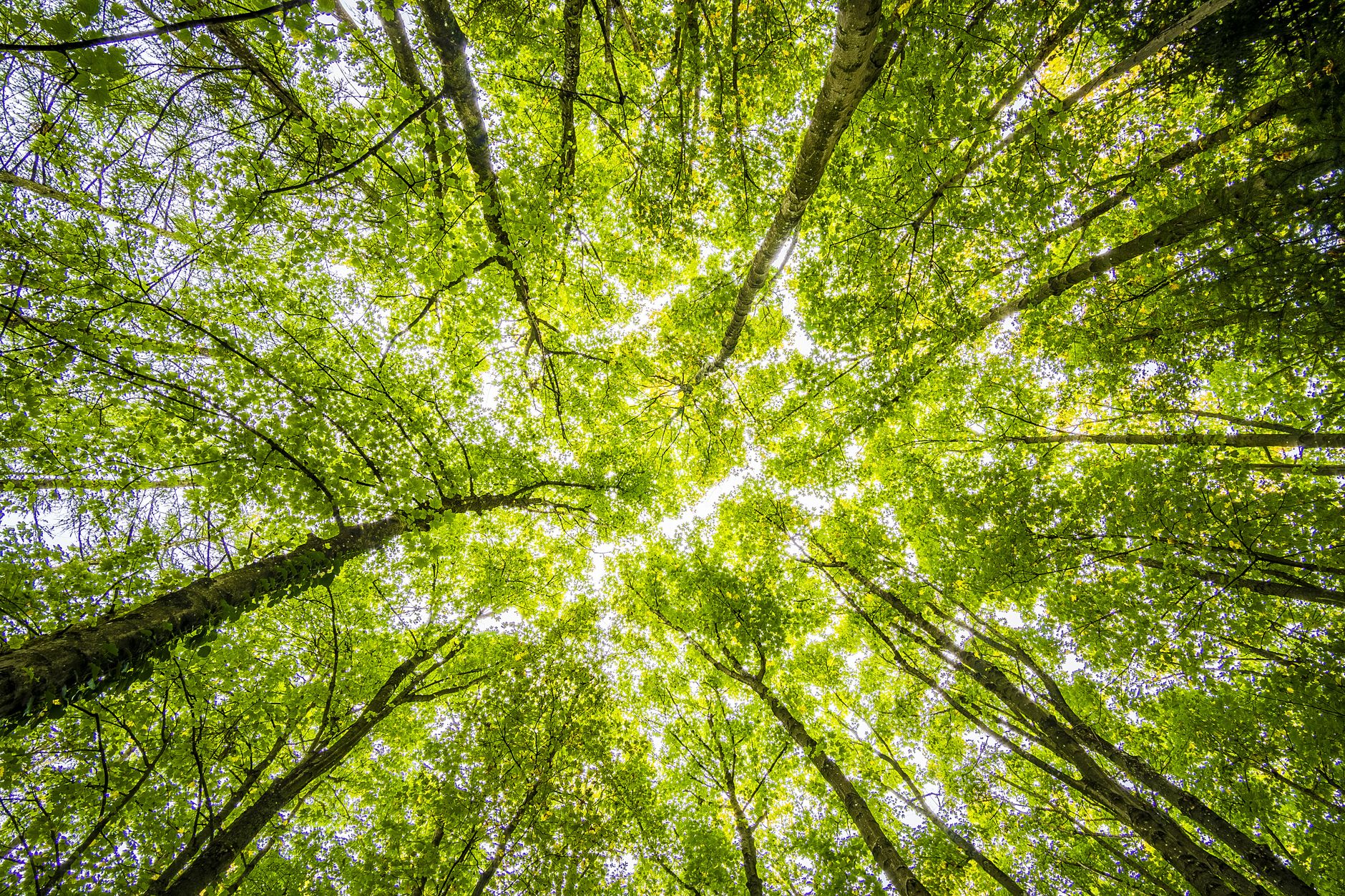
Nature is an essential part of life, providing the air we breathe, the water we depend on, the food we eat, and the environments where countless plants and animals thrive. Beyond these basic necessities, spending time in natural surroundings can also offer valuable benefits for physical well-being, mental relaxation, and everyday quality of life.
Modern lifestyles often keep people indoors for long periods. Work, school, household responsibilities, and digital entertainment can fill much of the day, leaving limited opportunities to enjoy outdoor spaces. Making time for nature, even in simple ways, can provide a refreshing change from busy routines.
Nature and Mental Well-Being
One of the most noticeable benefits of spending time outdoors is the opportunity to relax and disconnect from everyday distractions. Natural surroundings such as forests, gardens, lakes, beaches, and parks can create a calmer atmosphere than busy urban environments.
A quiet walk among trees or a few minutes spent sitting in a garden can give people an opportunity to slow down and pay attention to their surroundings. The sounds of birds, moving water, leaves, and wind can create a peaceful setting that encourages relaxation.
Being outdoors may also help people take a break from constant screen exposure. Instead of focusing on notifications, messages, or work tasks, time in nature encourages attention toward physical surroundings. This change in environment can make ordinary outdoor activities feel refreshing.
Physical Benefits of Spending Time Outdoors
Nature also encourages movement. Walking through a park, hiking on a trail, cycling along a path, gardening, or simply exploring a neighborhood can add more physical activity to the day.
Outdoor activities can be suitable for people with different interests and fitness levels. A gentle walk through a local garden can be relaxing, while hiking or cycling can provide a more active experience. Regular movement is an important part of maintaining a healthy lifestyle, and natural spaces can make physical activity more enjoyable.
Sunlight is another reason people benefit from spending some time outdoors. Safe exposure to daylight can support the body's natural daily rhythm and help distinguish daytime from nighttime. However, outdoor time should still be balanced with sensible sun protection, particularly during periods of strong sunlight.
Nature Encourages Appreciation
Spending time outdoors can deepen appreciation for the world around us. Watching a sunrise, observing changing seasons, seeing flowers bloom, or noticing birds and insects can remind people of how much life exists beyond their everyday routines.
Children can especially benefit from opportunities to interact with nature. Exploring outdoor spaces can encourage curiosity and provide opportunities to learn about plants, animals, weather, and the environment through direct observation.
Adults can benefit in much the same way. Nature can encourage mindfulness by bringing attention to simple details that are easily overlooked during a busy day.
The Importance of Green Spaces
Urban green spaces are particularly valuable because they bring elements of nature into areas where buildings, roads, and traffic dominate the surroundings. Public parks, community gardens, tree-lined streets, and walking paths can give residents convenient places to spend time outdoors.
Even small natural areas can make a difference. A balcony garden, a collection of indoor plants, or a short walk around a nearby park can provide a connection to the natural world.
Communities also benefit when natural spaces are protected and maintained. Healthy ecosystems support biodiversity and contribute to cleaner air, water management, soil health, and habitats for wildlife.
Simple Ways to Connect With Nature
Connecting with nature does not require an expensive vacation or a long-distance journey. People can begin with simple activities close to home.
Taking a morning walk, visiting a local park, planting flowers, caring for a small garden, watching birds, or enjoying an outdoor meal can all create opportunities to spend more time outside. Weekend hikes, visits to lakes, forest trails, or nature reserves can provide longer breaks when time allows.
The key is consistency rather than complexity. Even short periods outdoors can become a meaningful part of a daily or weekly routine.
Protecting the Natural World
Enjoying nature also comes with a responsibility to protect it. Simple habits such as avoiding litter, reducing unnecessary waste, respecting wildlife, conserving water, and following local guidelines when visiting natural areas can help preserve outdoor environments.
When people develop a stronger connection with nature, they may become more aware of the importance of protecting ecosystems for future generations. Small individual actions, when practiced by many people, can contribute to healthier communities and a cleaner environment.
Nature offers benefits that extend far beyond scenery. It can provide opportunities for movement, relaxation, learning, exploration, and reflection. Whether it is a large forest, a nearby park, a quiet beach, or a few plants growing at home, nature can become an important part of a balanced lifestyle.
For those interested in exploring natural plant-based products as part of a broader interest in nature, best hemp flower can be researched separately.