
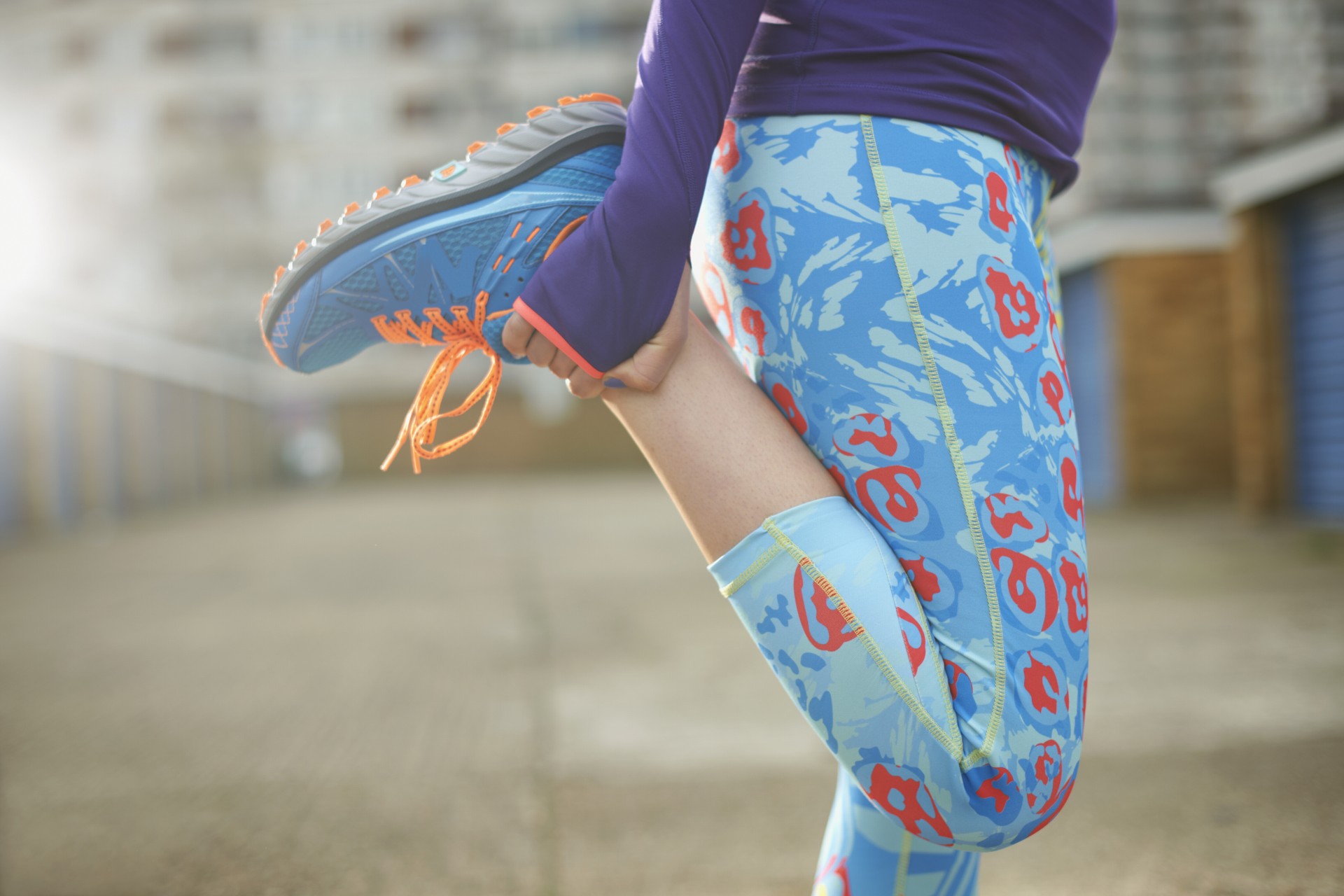
The right leggings feel comfortable, stay in place, and suit the activity, whether you are stretching, running errands, or working up a sweat. Fabric plays a major role in all three. A label that says “stretch” or “performance” is only a starting point: fiber content, knit density, and construction all affect how leggings feel and perform. Before buying, think about where you will wear them, how much support you prefer, and whether staying cool or feeling soft matters most.
Understanding The Main Fibers
For this breakdown of legging fabrics, keep in mind that most leggings combine a main fiber with elastane, also called spandex. Nylon is often chosen for its smooth, soft feel and durability, making it a comfortable option for yoga, studio sessions, and everyday wear. Polyester is typically quick-drying and durable, which suits running or higher-sweat workouts. Both fibers are commonly blended with elastane to add stretch and help the garment return to shape.
Cotton leggings feel familiar and breathable, but cotton absorbs moisture rather than moving it away from the skin. For light activity or casual wear, a cotton blend may feel pleasant. During an intense workout, however, damp fabric may feel heavy and clingy. For more on fiber names and apparel labels, see the Federal Trade Commission’s textile labeling guidance. Reading the fiber percentages gives you a clearer idea of what you are buying than relying on a product name alone.
Stretch, Recovery, And Support
Elastane supplies much of a legging’s stretch, but more stretch does not automatically mean a better fit. The knit and blend determine how the fabric behaves when you bend, squat, or walk. Look for fabric that stretches comfortably without pulling and springs back rather than bagging at the knees. If a product lists fiber percentages, compare them across pairs, but treat them as clues, not a guarantee of comfort or quality.
Compression is another matter of preference. A firm, dense fabric may feel supportive and provide more coverage, while a lighter knit may feel less restrictive and more comfortable in warm weather. Neither choice is right for everyone. Consider whether you want a close, held-in feel or easier movement, then test the waistband and legs by sitting, bending, and walking if you are shopping in person.
Opacity And Fit in Motion
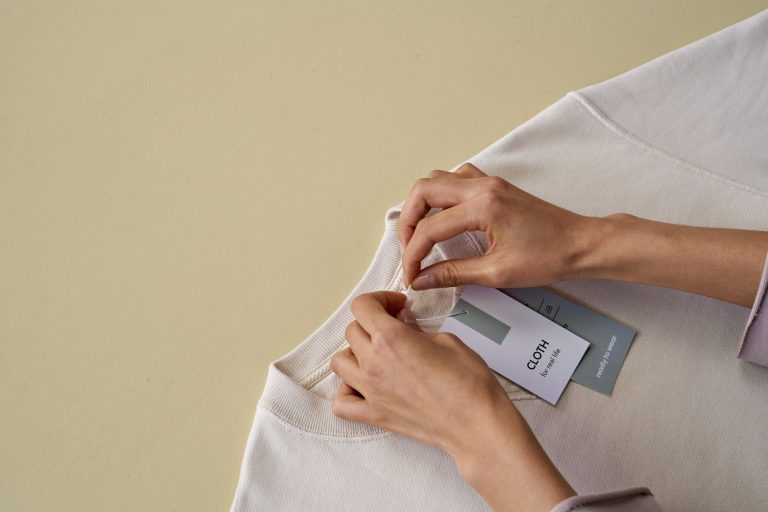
Color and thickness can affect how leggings look when stretched. Dark fabric is not automatically opaque, and a thick-looking pair may still become sheer under tension. Check coverage in bright light, and try a squat or forward bend in a fitting room if practical. At home, bend and stretch in front of a mirror before removing tags. Pay attention to seams, waistband roll, and whether the fabric pulls uncomfortably across the hips or thighs.
Care, Durability, And Final Checks
Care instructions affect how long leggings retain their shape. Follow the garment label, wash performance fabrics gently, and avoid high heat unless the instructions permit it. This guide explains how care labels guide washing and drying decisions. Proper care helps protect elastic fibers and reduce premature wear.
Before purchasing, check the fiber blend, waistband construction, seam quality, and care instructions. Choose nylon-rich blends when softness is a priority, polyester blends for quick-drying workout wear, and cotton blends for lower-sweat comfort. Most importantly, judge the pair by how it feels during movement, not just by the fabric name. The best leggings are the ones that suit your routine, feel comfortable on your body, and hold up to the care you are willing to give them.