
Fort Worth, Texas, is a city where a vacation can revolve around food without becoming repetitive. Breakfast might involve homemade biscuits and country gravy, lunch could feature slow-smoked brisket, and dinner might introduce you to contemporary Mexican cooking. Between meals, visitors can watch a cattle drive, explore internationally recognized art museums, shop for cowboy boots, or spend an afternoon cycling along the Trinity River.
Unlike destinations where restaurants primarily cater to tourists, Fort Worth has a strong local dining culture. Family-owned establishments operate alongside ambitious contemporary restaurants, while neighborhood diners attract customers who have been ordering the same breakfast for decades.
The city's Western heritage remains central to its identity, but travelers who associate Texas exclusively with barbecue and oversized steaks may be surprised by what Fort Worth offers. Japanese cuisine, European-inspired cooking, artisan bakeries, craft breweries, and seasonal dining all contribute to its appeal.
For travelers who enjoy discovering a destination through its food, Fort Worth offers enough variety to justify an entire vacation.
Why Fort Worth Deserves a Spot on Every Food Lover's Travel List
Fort Worth developed much of its identity during the cattle-driving era of the nineteenth century. Livestock trading, ranching, and the movement of cattle through Texas helped establish the city as an important commercial center. These industries also influenced local eating habits, establishing a preference for hearty meals, grilled beef, and straightforward cooking.
Those traditions remain visible throughout the city. Steakhouses celebrate its ranching history, barbecue restaurants compete over smoking techniques, and traditional diners serve generous portions of Southern comfort food.
Mexican culinary traditions have contributed equally important influences. Generations of Mexican American families have helped establish restaurants that serve everything from simple breakfast tacos to elaborate regional specialties. Ingredients such as roasted peppers, corn tortillas, beans, and slow-cooked meats appear throughout the local dining scene.
Fort Worth also benefits from having several neighborhoods with distinct personalities. The Stockyards emphasize Western history, Magnolia Avenue attracts independent businesses and contemporary restaurants, and the Cultural District combines upscale dining with museums and galleries.
Restaurant interiors contribute to the experience. Some establishments use reclaimed timber, leather booths, and traditional chairs for restaurants to reflect their Western surroundings, while others embrace minimalist interiors, open kitchens, and contemporary artwork. Each setting introduces visitors to a different side of the city.
Fort Worth offers a more relaxed vacation experience than some larger American metropolitan destinations. Visitors can spend several hours enjoying lunch, exploring a neighborhood, and talking with local business owners without feeling pressured to move immediately to the next attraction.
Although neighboring Dallas receives considerable attention for its dining scene, Fort Worth has developed a culinary identity that makes it worth visiting independently.
From the Smoker to the Ranch: Experiencing Authentic Texas Cooking
Texas barbecue deserves its own place on any Fort Worth vacation itinerary. Preparing authentic barbecue requires considerable patience, with pitmasters spending hours managing temperatures, monitoring smoke, and allowing tough cuts of meat to become tender.
Goldee's Barbecue is one of the strongest reasons for serious barbecue enthusiasts to visit Fort Worth. The restaurant earned national attention after taking first place in Texas Monthly's 2021 barbecue rankings, establishing itself as a destination for people willing to travel significant distances for smoked meat.
Brisket is an excellent starting point. Its dark exterior, rendered fat, and tender interior demonstrate what happens when experienced pitmasters combine high-quality beef with controlled temperatures and extended cooking times.
Goldee's also offers other smoked meats, including ribs and sausage. Ordering several varieties with friends provides an opportunity to appreciate the differences between cuts, seasoning techniques, and textures.
Visitors should check operating hours and arrive early. Popular barbecue establishments can sell out of particular meats before their scheduled closing time, especially on weekends.
Panther City BBQ presents a different interpretation of the Texas barbecue tradition. Its menu draws inspiration from both Central Texas smoking methods and Mexican cooking, introducing dishes that combine smoked meat with familiar Tex-Mex ingredients.
Brisket tacos and smoked meat burritos offer alternatives to conventional barbecue platters. Pork belly burnt ends deliver a rich combination of rendered fat, smoke, and caramelized seasoning. These dishes demonstrate how traditional cooking methods can produce something distinctive when combined with other regional influences.
Heim Barbecue has also helped establish Fort Worth's reputation among barbecue enthusiasts. The restaurant became particularly well known for its bacon burnt ends, which transform pieces of pork belly into smoky, sweet, richly flavored bites.
Travelers unfamiliar with American barbecue may initially underestimate how filling these meals can be. Ordering smaller portions of several meats rather than purchasing individual large platters allows everyone at the table to sample more dishes.
Side dishes deserve attention as well. Potato salad, coleslaw, beans, pickles, and macaroni and cheese provide contrasting flavors and textures. Their preparation often reveals as much about a restaurant's identity as its signature meats.
Fort Worth's steakhouse tradition offers another way to explore the city's relationship with beef. Cattlemen's Steak House in the historic Stockyards has operated since 1947, connecting contemporary visitors with decades of Western dining history.
A ribeye or New York strip paired with traditional sides makes an appropriate dinner after spending the afternoon learning about Texas ranching. The restaurant's location also makes it convenient for visitors planning an evening of country music or rodeo entertainment.
Riscky's Barbeque represents another longstanding chapter in Fort Worth's restaurant history. Its origins date back to 1927, and the business has grown into a recognizable local name. Visitors interested in traditional barbecue establishments can explore its offerings alongside those of newer, nationally celebrated smokehouses.
Chicken-fried steak provides another essential introduction to Texas comfort food. Despite its name, the dish generally consists of tenderized beef coated in seasoned breading, fried until crisp, and served with creamy gravy. Mashed potatoes and vegetables frequently accompany it.
The meal may not appeal to travelers seeking lighter dishes, but it captures the generous, uncomplicated character of traditional Southern cooking.
Regional desserts complete the experience. Pecan pie, banana pudding, and fruit cobbler provide a sweet introduction to ingredients and recipes associated with Southern kitchens. Sharing dessert is often the sensible choice after a substantial barbecue or steakhouse meal.
Beyond Beef: Discovering Fort Worth's Unexpected Culinary Diversity
Fort Worth becomes a more interesting food destination when visitors move beyond the familiar Texas specialties. Its restaurants offer opportunities to explore international flavors, seasonal ingredients, and cooking traditions that have developed far beyond the city's ranching roots.
Joe T. Garcia's is among the city's most recognizable Mexican restaurants. Established in 1935, the family-owned business has become particularly famous for its expansive outdoor dining areas, abundant greenery, and lively atmosphere.
Traditional Tex-Mex dishes such as enchiladas and fajitas remain central to the experience. Warm tortillas, grilled meats, rice, beans, and fresh accompaniments create a satisfying meal designed for sharing.
The outdoor setting makes Joe T. Garcia's particularly appealing during pleasant spring and autumn evenings. Visitors should anticipate potential queues during busy periods and confirm its payment policies before arriving.
Don Artemio introduces diners to a substantially different side of Mexican cuisine. The restaurant draws inspiration from northeastern Mexico, presenting regional ingredients and traditional preparations through contemporary cooking techniques.
Diners may encounter preparations involving cactus, roasted vegetables, handmade tortillas, and carefully sourced meats. Rather than relying exclusively on familiar Tex-Mex combinations, the kitchen explores the culinary traditions of a specific part of Mexico.
The contrast between Joe T. Garcia's and Don Artemio makes visiting both restaurants worthwhile. One celebrates generations of family-style Texas dining, while the other introduces visitors to regional Mexican cooking through a more elaborate restaurant experience.
Ellerbe Fine Foods offers another departure from conventional Texas meals. Located on Magnolia Avenue, the restaurant emphasizes seasonal ingredients and relationships with agricultural producers.
Its menus change according to ingredient availability, allowing the kitchen to highlight produce, meats, and other products at different times of the year. Guests seeking a memorable dinner without another heavy barbecue platter can appreciate its approach to contemporary American cooking.
Clay Pigeon Food & Drink follows a similarly ingredient-focused philosophy. The restaurant creates dishes around seasonal produce and carefully prepared proteins, making it an attractive option for travelers interested in independent, chef-driven establishments.
Menus at restaurants of this kind reward curiosity. Ordering an unfamiliar vegetable preparation or asking the server about a seasonal specialty may lead to a more memorable experience than choosing another familiar steak.
Japanese food also has a place on a Fort Worth itinerary. Hatsuyuki Handroll Bar specializes in hand rolls, bringing together seasoned rice, seafood, and crisp seaweed in compact portions prepared for immediate consumption.
Counter seating allows diners to observe the preparation process while enjoying each roll shortly after it is assembled. Tuna, salmon, scallops, and other seafood offer a welcome contrast to the smoked and grilled meats found elsewhere in the city.
Breakfast deserves as much attention as dinner. Paris Coffee Shop, a historic Fort Worth diner established in 1926, celebrates traditional American breakfast culture with familiar morning favorites.
Pancakes, eggs, biscuits, breakfast meats, and coffee provide a substantial start before a day of sightseeing. Its restored interior preserves elements of the traditional American diner while accommodating modern visitors.
Coffee enthusiasts can explore locally established businesses such as Avoca Coffee Roasters. Independent coffee shops offer comfortable places to rest between attractions, plan the remainder of the day, or enjoy a slower morning.
Dessert lovers should consider visiting MELT Ice Creams, a Fort Worth-founded business known for creative ice cream flavors. Seasonal offerings introduce customers to combinations beyond conventional chocolate and vanilla, making a visit particularly appealing after an afternoon outdoors.
Travelers who enjoy beer can explore establishments such as Rahr & Sons Brewing Company or Martin House Brewing Company. Local breweries introduce visitors to another aspect of the city's independent food and beverage community.
The Fort Worth Food + Wine Festival offers an additional reason to organize a trip around the city's dining culture. The event brings together chefs, restaurants, beverage producers, and food enthusiasts through tastings and culinary gatherings.
Attending a festival allows visitors to sample several establishments without arranging separate restaurant visits. Checking the festival calendar before booking accommodation can help travelers build their vacation around these events.
Between Meals: Experiencing the Real Fort Worth
Fort Worth's attractions prevent a culinary vacation from becoming an endless sequence of restaurant visits. Its Western history, cultural institutions, outdoor spaces, and entertainment venues provide plenty of opportunities to spend several hours between meals.
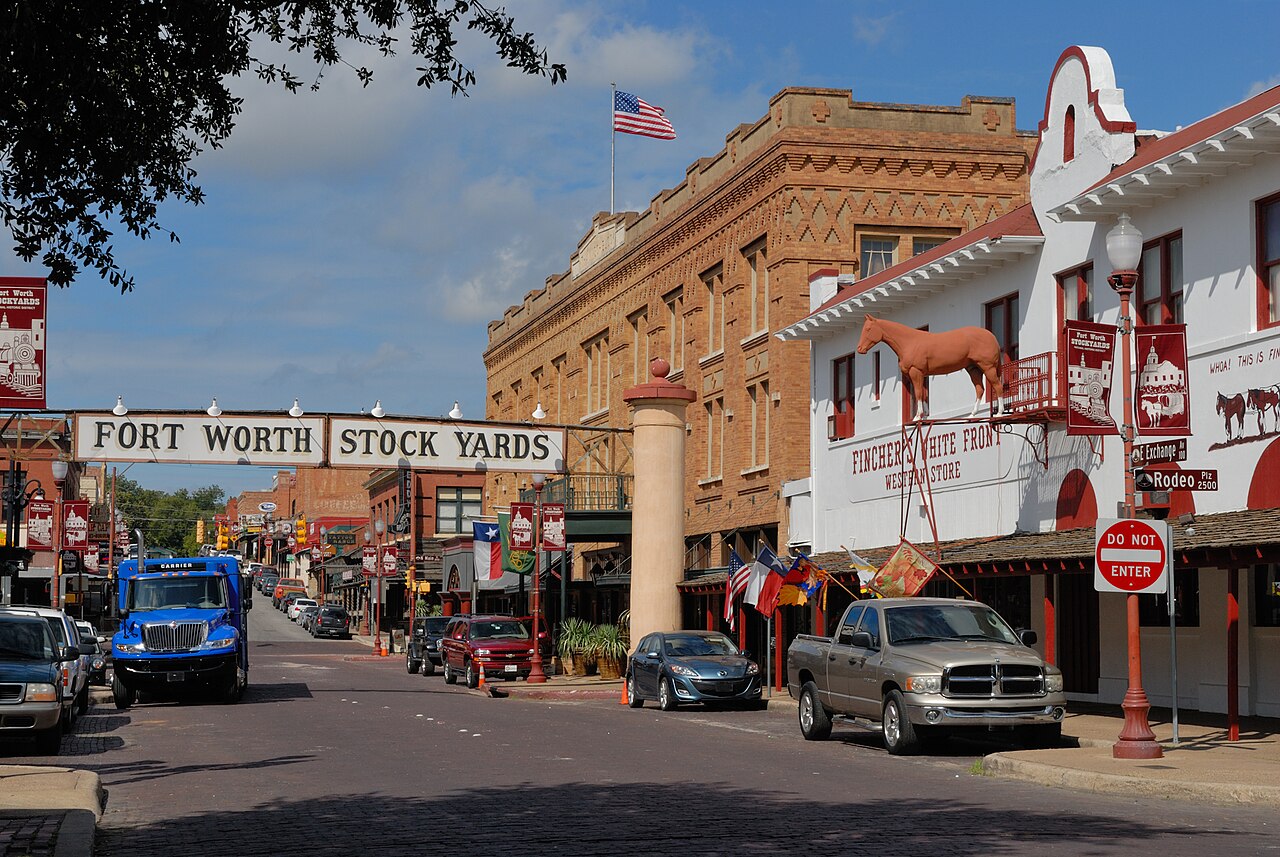
The Fort Worth Stockyards National Historic District is an obvious starting point. Once an important center for livestock trading, the district preserves buildings, streets, and traditions connected to the city's commercial development.
Its famous cattle drive generally takes place twice daily, at 11:30 a.m. and 4 p.m., subject to weather and other conditions. Texas longhorns move along East Exchange Avenue under the supervision of experienced cowhands, offering visitors a direct connection to the city's Western identity.
The surrounding streets contain clothing stores, boot shops, restaurants, and businesses selling Western-themed products. Even travelers with little interest in purchasing cowboy attire can appreciate the workmanship behind traditional leather goods.
Mule Alley offers a more contemporary interpretation of the Stockyards. Former horse and mule barns have been repurposed into shops, hospitality businesses, and dining establishments, preserving industrial architectural details while introducing new reasons to visit.
Rodeo events provide another opportunity to experience Texas traditions. Cowtown Coliseum hosts competitions featuring activities such as bull riding and barrel racing. Attending an event introduces visitors to skills and sporting traditions closely associated with ranching culture.
Billy Bob's Texas extends the Western experience into the evening. The enormous honky-tonk hosts country music performances and offers space for dancing, socializing, and enjoying live entertainment.
Visitors who prefer art to rodeos should dedicate considerable time to Fort Worth's Cultural District. The neighborhood contains several major museums, allowing travelers to explore internationally recognized collections without leaving the city.
The Kimbell Art Museum houses works spanning centuries of artistic achievement. Its collection includes paintings by European masters alongside antiquities and other internationally significant pieces. One particularly important work is Michelangelo's early painting, The Torment of Saint Anthony.
The building itself deserves attention. Architect Louis Kahn designed the original museum structure, using distinctive vaulted ceilings and controlled natural light to create exhibition spaces that complement the artwork.
The Modern Art Museum of Fort Worth provides a contrasting experience. Its collection focuses on modern and contemporary art, including painting, sculpture, photography, and other artistic forms.
Designed by Japanese architect Tadao Ando, the museum incorporates concrete, glass, and water into its architecture. Visitors interested in design may find the structure as compelling as the exhibitions inside.
The Amon Carter Museum of American Art offers another perspective on American history and creative expression. Its collections include Western-inspired artwork, photography, and paintings that explore different periods of American life.
Families visiting Fort Worth can spend an entire afternoon at the Fort Worth Zoo. Its exhibits introduce children to animals from different regions of the world, while educational displays provide information about wildlife conservation.
The zoo is particularly useful for families planning a food-focused vacation because it balances restaurant visits with activities that appeal directly to younger travelers.
Fort Worth Botanic Garden provides a quieter alternative. Its extensive grounds include themed gardens, walking paths, plant collections, and spaces suitable for spending a relaxed morning outdoors.
The Japanese Garden stands out for its ponds, bridges, carefully arranged vegetation, and traditional design elements. During cooler months, visitors can spend several hours exploring the grounds without the intensity of Texas summer temperatures.
Trinity Trails offers opportunities for more active sightseeing. The extensive trail network follows sections of the Trinity River, connecting parks, recreational areas, and various parts of Fort Worth.
Walking, jogging, or cycling along the river provides a pleasant change from indoor attractions. Travelers can choose a short route before breakfast or dedicate an entire morning to discovering different sections of the city.
Downtown Fort Worth also rewards exploration. Sundance Square contains restaurants, shops, historic buildings, and entertainment venues within a relatively pedestrian-friendly area.
Nearby, Bass Performance Hall presents concerts, theatrical productions, ballet, and other performances. Combining an evening show with dinner downtown offers an alternative to the country music venues in the Stockyards.
The Fort Worth Water Gardens, designed by architect Philip Johnson with John Burgee, provides another interesting downtown stop. Its geometric structures, pools, and cascading water create an unusual architectural experience within the urban environment.
Many of these attractions require little or no admission expenditure. Combining free sightseeing with occasional paid activities leaves more of the vacation budget available for restaurants.
Eating Your Way Through Fort Worth: A Three-Day Vacation Itinerary
Three days provide enough time to experience several of Fort Worth's defining culinary traditions while visiting its principal attractions. Organizing each day around nearby neighborhoods reduces unnecessary travel and creates a more enjoyable schedule.
Day One: Barbecue, Cowboys, and Country Music
Begin the vacation with coffee and a traditional American breakfast at Paris Coffee Shop. Order biscuits and gravy, eggs, or pancakes, depending on how substantial a breakfast you prefer.
Travel to the historic Stockyards afterward and explore its shops and preserved buildings. Arrive before the morning cattle drive to find a comfortable viewing position along East Exchange Avenue.
Lunch at Riscky's Barbeque introduces visitors to the city's traditional smoked meats. Alternatively, arrange a separate early barbecue excursion to Goldee's if its operating schedule aligns with your visit.
Spend the afternoon exploring Mule Alley, browsing Western clothing stores, or visiting the Stockyards Museum to learn about the area's commercial history.
Dinner at Cattlemen's Steak House continues the Western theme. Finish the evening with a rodeo performance or live country music at Billy Bob's Texas.
Day Two: Art, Gardens, and Contemporary Dining
Start the morning with coffee and a light breakfast before heading to the Cultural District. Allocate several hours to the Kimbell Art Museum or combine it with a visit to the nearby Modern Art Museum.
Choose Hatsuyuki Handroll Bar for lunch. Its individual seafood rolls offer a lighter alternative to the previous day's substantial meat dishes.
Spend the afternoon exploring Fort Worth Botanic Garden. Walk through the Japanese Garden, discover the different plant collections, and enjoy a slower pace after the morning's museum visits.
Reserve an evening table at Ellerbe Fine Foods or Clay Pigeon Food & Drink. A seasonal dinner introduces another side of Texas cooking, especially for travelers who associate the state primarily with barbecue.
Day Three: Mexican Flavors and Neighborhood Discoveries
Begin the final day with a walk or bicycle ride along Trinity Trails. An early start is particularly worthwhile during warmer months.
Head to Joe T. Garcia's for lunch and enjoy a traditional Tex-Mex meal. Its garden dining areas provide an attractive setting when temperatures permit outdoor seating.
Spend the afternoon exploring Magnolia Avenue and the surrounding Near Southside neighborhood. Independent stores, coffee shops, restaurants, and dessert businesses offer plenty of reasons to wander.
Stop at MELT Ice Creams for an afternoon treat before returning to your hotel.
Finish the vacation with dinner at Don Artemio. Its regional Mexican dishes offer a compelling contrast to the traditional Tex-Mex meal earlier in the day and demonstrate the breadth of Fort Worth's culinary identity.
Travelers with a fourth day can dedicate it to barbecue excursions, additional museums, shopping, or breweries without crowding the original itinerary.
Is Fort Worth Worth a Vacation Just for the Food?
Fort Worth offers considerable value for travelers who want exceptional meals without sacrificing sightseeing opportunities. Its dining options range from relatively inexpensive breakfast tacos and casual diners to elaborate restaurant experiences suitable for special occasions.
A daily food budget of $50 to $80 per person could accommodate casual breakfasts, moderately priced lunches, and relaxed dinners. Travelers planning premium steaks, multiple courses, alcoholic beverages, or upscale dining should budget considerably more.
Accommodation choices also influence the experience. Staying downtown provides access to entertainment and restaurants, while hotels around the Stockyards place visitors closer to Western attractions. Accommodation near the Cultural District appeals to travelers who prioritize museums and contemporary dining.
Transportation requires some planning because Fort Worth covers a substantial area. Rental cars make it easier to reach barbecue restaurants outside central neighborhoods, although rideshare services and public transportation can cover many popular destinations.
Spring and autumn are particularly attractive seasons for visiting. Comfortable weather makes outdoor dining, walking tours, botanical garden visits, and neighborhood exploration more enjoyable. Summer temperatures can make prolonged outdoor activities uncomfortable, especially during the afternoon.
Popular restaurants may require reservations or early arrivals. Travelers should check opening days, seasonal menus, and event schedules before finalizing their itineraries.
Fort Worth deserves recognition as a standalone culinary vacation destination. Visitors can experience traditional barbecue, historic steakhouses, regional Mexican cooking, Japanese cuisine, independent coffee shops, and contemporary American restaurants within a single trip.
What makes the city particularly rewarding is the connection between its food and its identity. A steakhouse dinner follows an afternoon learning about cattle trading. A seasonal restaurant meal complements a museum visit. A traditional diner breakfast introduces a neighborhood that visitors might otherwise overlook.
Fort Worth offers much more than a weekend of eating well. It gives travelers the opportunity to understand Texas through its kitchens, neighborhoods, history, and everyday traditions.