
You notice that your plush animal’s fur has become stained. There is dust in the seams, and food in its paws. The first thing that comes to your mind is to put it in the washing machine. But then you realize that rough handling can flatten the fabric, shift the stuffing, or put extra strain on the stitching.
Fortunately, getting it clean does not require an aggressive wash. A good routine begins with inspection of its design, selection of the gentlest technique, moisture regulation, and proper drying. This cleanses dirt and lessens unwarranted tension on the toy.
The five steps below show how to clean and maintain animal plush toys while protecting their delicate fabric and stitching.
1. Inspect the Toy First
Check the plush thoroughly before bringing it into contact with water. Read the care label and inspect the fabric, seams, and other details. Look for loose threads, worn patches, or openings, if any.
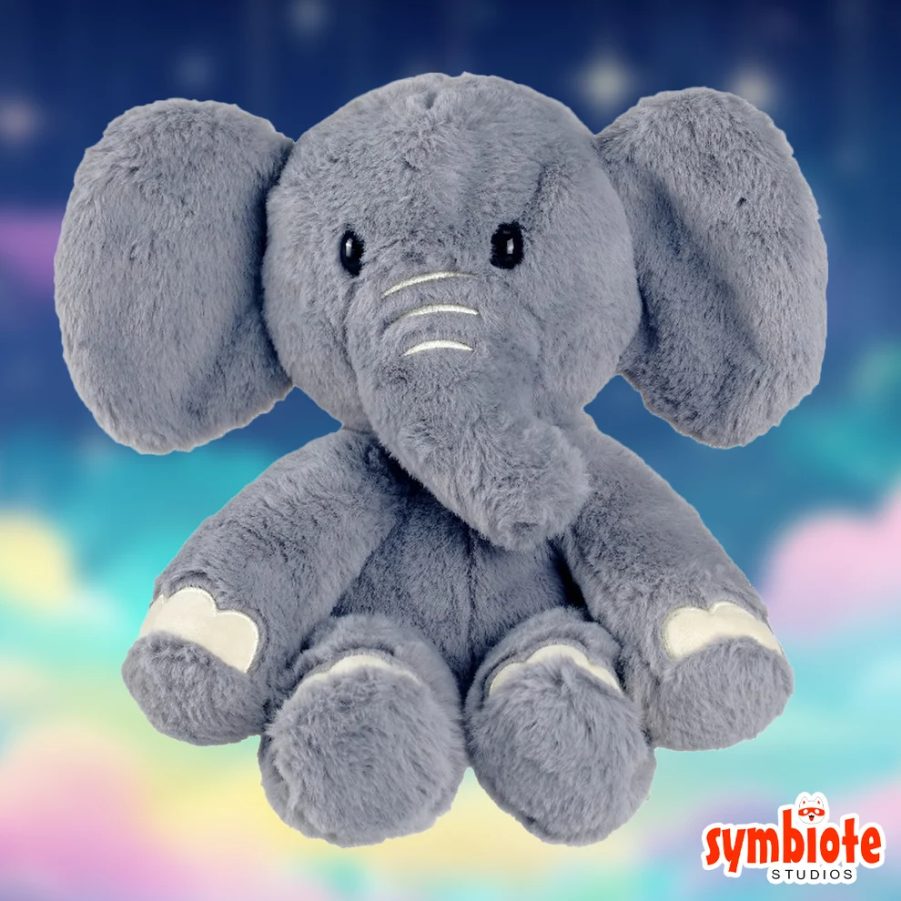
That inspection will assist you in determining which method is appropriate. It can help you decide whether surface cleaning is enough for a delicate plush, such as an elephant plush.
Here are some checks to keep in mind:
- Follow the care label
- Start by fixing any loose stitches
- Discard removable accessories as necessary
If the toy seems like it might break or if the label is missing, avoid getting it wet as much as possible and opt for surface cleaning rather than water.
This can prevent a loose thread from escalating into a bigger repair.
2. Spot-Clean Before Full Washing
For minor food stains or stains that are small in size, consider spot cleaning rather than washing the whole plush.
Mix a small amount of mild detergent with water and dampen a soft cloth. Do not scrub the area – gently blot. Blotting requires less friction, which helps to maintain plush fibers and stitching.
Once the mark is removed, use a clean, slightly damp cloth to wipe away any soap residue. Then, gently press the area with a dry towel to absorb the moisture.
This method works well for older or fragile toys because it cleans only the areas that need attention.
3. Wash Gently When Necessary
If the stain is still on the plush toy after following the above procedures, check out its care label before deciding to wash in the machine or manually by hand.
If the tag with care instructions says the plush can be cleaned in a machine, keep it in a laundry bag or pillowcase. This minimizes rubbing and contact with the drum and other laundry to help reduce wear on fabric and stitching.
Select the delicate cycle and the suggested temperature. Use a small amount of mild detergent, and do not stir vigorously, as this will put strain on seams.
You have more control when washing by hand, especially if your toys are not machine washable. If the toy has electronics or other water-sensitive parts, don’t completely immerse it unless the care instructions say you can.
Follow the manufacturer’s care instructions and select a cleaning method appropriate for the toy’s materials and design.
4. Dry Without Straining Seams
Even if the outside of a plush toy is dry, it can still retain moisture. Do not wring, twist, or squeeze it aggressively. These actions can cause the filling and seams to become distorted.
Gently squeeze the wet toy between clean towels to remove the excess water instead. Avoid flattening out the body, ears, paws, and other parts.
Place the plush in a well-ventilated area and let it air-dry completely. Rotate it periodically to ensure it receives uniform circulation of air. Don't use high heat unless the care instructions specify, as this can impact fibers or delicate details.
For this reason, stuffed toys should be dried thoroughly before they are used again to help prevent moisture from remaining inside the toy. Once the toy is dry, maintenance should be able to minimize the need for a full wash again.
5. Maintenance
Maintaining the toy regularly may help avoid having to wash the entire toy. You can brush off any dust that may have accumulated on the plush and promptly spot clean any spills.
Also, it is recommended that from time to time you check for loose threads, particularly if the toy is used frequently. If you notice loose threads, mend them prior to washing so that the stitches do not stretch anymore.
This could be as easy as:
- Brushing off dust
- Spot cleaning immediately
- Checking for damage
- Not storing plush toys in moist storage spaces
- Ensuring they are well dried
- Only washing the entire toy when necessary
Gradually, this may ensure the better condition of the material, stuffing, and stitches.
Bringing it Together
Keeping an animal plush toy clean without damaging it is a matter of using the right care at each stage. Always check the toy first, spot clean small marks, or gently wash as needed. Then gently squeeze off excess water and allow it to dry thoroughly.
Also, dusting regularly, cleaning stains promptly, and checking seams can help minimize re-washing. That routine not only keeps a favorite plush soft and fresh for use, but it also offers gentle care over the years to the fabric, stuffing, and stitching.