

An abrupt toothache can upset your sleep, meals, work, and plans. You can also experience swelling, bleeding, a broken tooth, or pain following an injury. The symptoms may begin during off-hours of a dentist, and it may be hard to understand whether you should wait, call a dentist, or seek immediate medical attention.
The first practical step is to identify what has changed and how quickly the symptoms are getting worse. The emergency dentist may assist in dealing with pain, preserving damaged teeth, and other issues, including infection or trauma.
Studies have also attributed urgent dental issues to significant impacts on everyday life and quality of life. Being aware of what to look out for can assist you in reacting faster, avoiding unsafe home remedies, and communicating valuable information when you call an urgent dental service.
This guide outlines the steps to triage the symptoms, select appropriate out-of-hours care, protect your mouth, make an appointment, and organize follow-up care when needed.
1. Spot Urgent Dental Symptoms
Some dental problems require urgent attention, especially when symptoms are severe or getting worse quickly. It is helpful to be familiar with an emergency dentist near you, so you know where to turn when urgent dental care is needed outside normal hours.
For instance, if you reside in Exeter, an emergency dentist Exeter service can provide prompt assessment when you are dealing with severe tooth pain, facial swelling, uncontrolled bleeding, a knocked-out tooth, or other serious dental trauma.
Look for danger signs that are beyond normal sensitivity. Diffuse swelling, fever, problems with swallowing, or breathing require immediate treatment. Facial swelling may affect your airway, so you need to seek emergency medical help when it becomes difficult to swallow or breathe.
Triage will also use useful information from your symptoms. Record the onset of pain, whether it is persistent or intermittent, and whether the pain is aggravated by eating or touching the tooth. Concrete information assists a dental team to decide on urgency and organize suitable care.
2. Choose Appropriate Care
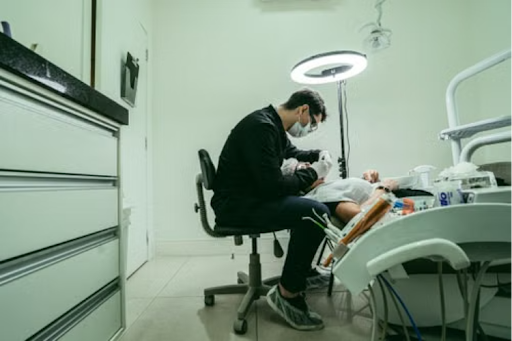
If your regular dentist is closed, an out-of-hours dental service can provide an assessment when you cannot reasonably wait. An urgent appointment can help address pain, infection, trauma, or damage and establish what treatment should happen next.
Emergency dental care does not always mean completing every part of treatment during one visit. Your dentist may first control pain, reduce infection risk, or stabilize damage. Further treatment may then be needed to restore the tooth or address its underlying cause.
Do not rely on an emergency department for every dental problem. Dental teams can assess and treat many tooth-related conditions directly. Recent research also shows that dental emergencies can involve different symptoms and treatment needs, making proper assessment important.
3. Protect Damaged Teeth
When you break or crack a tooth, do not chew on the side of the tooth until a dentist examines it. Sticky or hard foods may exert additional stress on the tooth structure that has been weakened and can further aggravate a fracture.
If a tooth is knocked out, handle it carefully by the crown rather than the root. Avoid scrubbing the tooth. Early dental examination has the potential to enhance the prospects of proper treatment, and therefore do not wait until the pain sets in.
In case of bleeding, apply light pressure using a clean cloth or gauze. Aspirin should not be applied to your gum or tooth directly since it may cause irritation to the mouth tissue. In case of uncontrolled bleeding, seek professional help immediately.
4. Prepare for Dental Triage
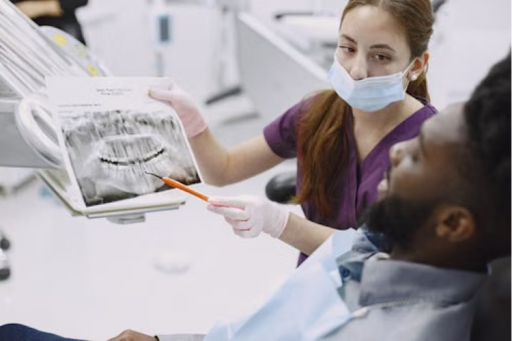
Practical information on your symptoms should be gathered before you get in touch with an out-of-hours service. Record the onset of the problem, the cause of the problem, and the presence or absence of pain, swelling, bleeding, or sensitivity. This fact can streamline your preliminary evaluation.
Disclose dental procedures, medications, allergies, and any other pertinent medical conditions. State any injury and clarify whether you have taken pain medication or not. Correct information is going to support better decisions and assist the dentist in understanding what you need at the moment.
Before treatment, you should also enquire about consultation fees and potential costs of treatment where possible. Having an idea of the cost will lessen uncertainty, particularly when you need treatment outside the ordinary hours.
5. Plan Follow-Up Treatment
Urgent care can alleviate the immediate issue without necessarily undergoing in-depth treatment. For example, pain can be managed on your first visit, whereas one of your damaged teeth needs restoration in the future. Follow-up care is provided to the root of the problem and not just the most apparent symptom.
Do not think that less pain means that the tooth is healed. Not all dental conditions will cease at the surface, and some symptoms will improve temporarily. A follow-up appointment can help you avoid recurrence or making the problem more challenging to treat.
When the emergency is over, resume regular dental care. Consistent checkups can be used to detect any decay, gum issues, broken restorations, and other issues before they arise as emergencies. A preventive plan will help minimize your use of out-of-hours treatment.
Conclusion
In cases of the sudden occurrence of dental symptoms, pay attention to the severity, the rate of development, and warning signs first. This may involve a close examination of severe pain, swelling, bleeding, trauma, and damaged teeth. Difficulty in breathing or swallowing demands emergency treatment as opposed to late dental treatment.
The next thing to do is to make a note of your symptoms and refer to a relevant dental service when you cannot safely wait. Take professional advice despite improvement of pain. After containing the immediate issue, follow the full recommended care and maintain routine dental checkups. Maintaining a good log of the symptoms and treatment can also assist in making subsequent visits more targeted and assisting you in realizing the recurring issues earlier.