


Business documents may serve different purposes, but they often need to work together. A proposal might come with a company profile, a brochure, a business card, a price quote, or a product sheet. When each item is handed over separately, things can get disorganized fast.
Custom presentation folders offer a simple way to bring these materials together while giving a company another place to show off its brand. Their role goes beyond holding paperwork.
Pockets can be matched to the amount and type of material inside. Covers can also feature logos, colors, typography, imagery, and finishing details. From client meetings and proposals to conferences and press kits, presentation folders can help keep materials organized and visually consistent.
Here are six key benefits of custom presentation folders for branding and organization
1. Strengthen Brand Recognition through Consistent Design
Branding isn’t limited to websites, ads, or digital graphics. Printed business materials also shape how people recognize a company. A custom presentation folder offers a fairly large surface area for a logo, brand colors, typography, imagery, and contact information.
Since the folder surrounds the documents inside, the recipient sees its design before they even open it. The same design style can then carry over to business cards, brochures, letterheads, and other printed materials, creating a more consistent look.
Customization also gives a company control over these details instead of settling for a generic folder. Different cover stocks, colors, textures, and printing methods change how well the finished folder matches a company’s existing stationery.
2. Keep Related Documents Together
Loose papers can become difficult to sort, especially when several documents are handed out during a meeting. A presentation folder gives each item its own place, helping proposals, brochures, reports, forms, and business cards stay together.
Pocket folders are particularly useful here. Their internal pockets separate different materials while keeping everything within one package. Standard pockets can hold everyday document sets, while expanded-capacity versions offer extra room for presentations with more paperwork.
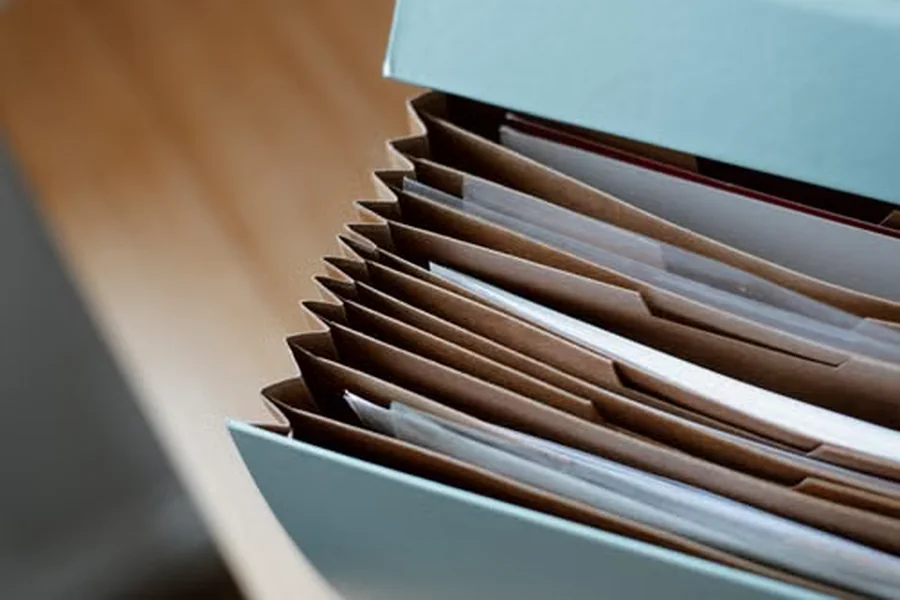
Some expanded designs hold substantially more sheets and still lie flat when full. That makes the folder useful for more than looks, since it keeps a whole document package easier to manage.
3. Give Proposals and Reports a Clear Structure
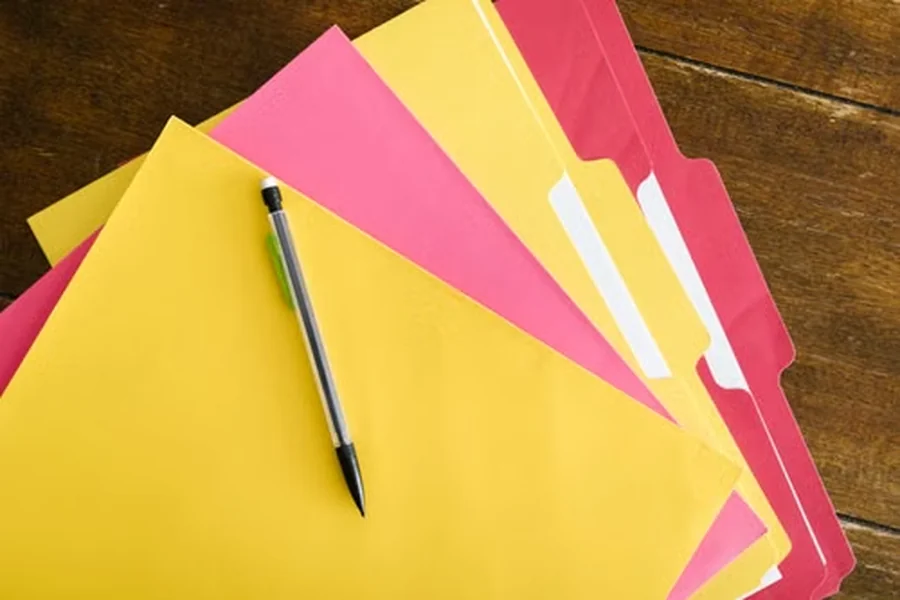
The way you physically arrange information can shape how easily someone works through it. Rather than handing a recipient a pile of loose pages, a folder can give those materials a simple structure.
Use one pocket for the proposal and another for supporting brochures or a company profile. A business card slot also keeps contact information in a set spot, so cards don’t drift away from the rest of the package.
This kind of organization really pays off during meetings that involve several documents. Once the meeting wraps up, the recipient can close the folder and keep everything together rather than scrambling to gather individual pages.
4. Adapt the Folder to Different Document Requirements
No two businesses handle the same type or amount of paperwork. A folder made for a short client handout may not need the same capacity as one built for a detailed proposal or presentation package.
Custom presentation folders can handle these differences through choices in size, pocket style, capacity, and card slot placement. That flexibility also makes presentation folders handy for all sorts of purposes. A business might use one configuration for proposals, another for reports, and another for event materials. That way, the folder fits what needs to be stored instead of forcing every document package into the same format.
5. Create a More Cohesive Client Presentation
A collection of individually printed materials can contain useful information and still look disconnected when presented together. A folder creates a shared cover around those materials, giving the whole package a more unified look.
This can be helpful when documents come from different parts of an organization. A brochure, pricing sheet, proposal, and business card may each serve a different function, but putting them in a single, consistently designed folder can make them feel like parts of the same presentation.
A cohesive look doesn’t have to depend on elaborate finishing. A clear layout, good spacing, readable text, and logical document placement matter just as much. From there, finishes like matte, gloss, soft-touch, foil, embossing, or spot gloss can be chosen to suit the look and feel you want.
6. Support Marketing Materials Without Adding More Packaging
Marketing information comes in many forms. A brochure may be needed alongside a product sheet, business card, promotional insert, or company profile. Handing each one over separately can mean extra packaging to keep everything together.
A pocket presentation folder can work as that organizing layer. Its pockets hold a range of printed materials in a single reusable cover. That makes the folder a great fit for sales meetings, conferences, press kits, and proposals, wherever several pieces of information need to be handed over at once.
Closing Remarks
Custom presentation folders combine branding and organization in one convenient package. They keep documents organized, give each type of material its own space, reinforce a company’s visual identity, and can be sized to fit whatever goes inside.
When it’s designed around its contents and purpose, a presentation folder is more than a file folder. It organizes information and puts a company’s image directly in the client’s hands.