
Coffee has become part of the daily routine for many people. Whether it is the first drink in the morning, a midday break at work, or a casual drink while meeting friends, coffee continues to be one of the most popular beverages around the world. As lifestyles become busier, the way people buy and enjoy coffee is also changing. One of the developments gaining attention is the growing use of the coffee cart as a flexible way to serve freshly prepared drinks.
Unlike traditional cafés that operate from one permanent location, coffee carts can bring drinks directly to where customers are. They can operate at offices, private events, markets, exhibitions, festivals, and other busy locations. This simple change in how coffee is served combines convenience with a more personal experience. Customers can enjoy freshly prepared drinks without having to visit a conventional café.
Moving Beyond the Traditional Café
For many years, coffee consumption was closely linked with cafés. People would visit a specific shop, order their preferred drink, and either take it away or stay for a while. While cafés remain popular, they may not always suit the schedule of customers who are constantly moving between work, home, appointments, and other activities.
Mobile coffee carts offer another option. Their smaller setup allows them to operate in places where a traditional café may not be practical. A cart can be brought to a corporate gathering in the morning and serve guests at a private event later in the day, depending on the business model and operating arrangements.
This flexibility is one of the main reasons mobile coffee services have attracted attention. Instead of asking customers to change their plans to find a café, the coffee service can become part of the location or event they are already attending.
Why Mobility Matters for Coffee Businesses
Mobility also creates opportunities for coffee businesses. A traditional café depends heavily on its permanent location, and its customer base is often influenced by the people who live, work, or travel nearby. A coffee cart has more flexibility because it can serve different audiences in different settings.
Location can be adjusted according to events, customer demand, and business opportunities. This does not mean that operating a cart is simple, as there are still costs, regulations, equipment requirements, and logistical challenges. However, the mobile format can provide a different business model compared with maintaining a full-sized café.
Coffee carts can also be used for event catering. Weddings, company functions, product launches, conferences, and community events may benefit from having a dedicated coffee station. This allows operators to reach customers who may not normally visit a particular café.
Creating a More Personal Customer Experience
Another reason coffee carts stand out is the direct interaction between baristas and customers. A small setup can create a more relaxed environment where customers can speak directly with the person preparing their drink.
This interaction can be particularly useful for people who enjoy learning about coffee. Baristas can explain the differences between coffee beans, brewing methods, or drink options. They can also make recommendations based on a customer's preferences.
Personal service can help create familiarity as well. If a cart regularly operates in the same office area or community, customers may begin to recognise the baristas and develop a habit of returning. This type of relationship can help a small coffee business build customer loyalty without relying entirely on large-scale advertising.
Supporting the Growth of Coffee Culture
Coffee culture has developed beyond simply drinking coffee for energy. Many consumers are now interested in the quality, preparation, and origin of the coffee they purchase. Speciality coffee has encouraged people to pay closer attention to roasting, brewing, flavour, and sourcing.
Mobile coffee businesses can participate in this trend by offering carefully selected beans and professionally prepared drinks. Because the setup is smaller, operators may also have more freedom to experiment with different drinks and seasonal offerings.
The result is a coffee experience that can feel different from one location to another. A cart at a business event may have a different menu from one operating at a weekend market. This ability to adapt can make mobile coffee services more interesting to customers who enjoy trying new drinks.
The Role of Sustainability
Environmental concerns are also influencing the way coffee businesses operate. Takeaway coffee often involves cups, lids, sleeves, stirrers, and other packaging, which can create a significant amount of waste.
Coffee cart operators can respond by making more thoughtful choices about their supplies and operations. Depending on their setup, they may use reusable cups, recyclable or compostable packaging, and better waste management practices. Coffee grounds can also be collected for composting or other uses rather than simply being discarded.
Sustainability does not automatically make a business environmentally friendly, but practical steps can help reduce unnecessary waste. Customers who are conscious of their purchasing habits may also appreciate businesses that make an effort to operate more responsibly.
Technology Makes Mobile Service Easier
Technology has become another important part of modern coffee cart operations. Cashless payments allow customers to pay quickly using cards, mobile wallets, and other digital methods. This can be especially helpful during busy events when several customers need to be served within a short period.
Social media can also be useful for mobile coffee businesses. Because a cart may not always operate in the same place, customers need a convenient way to find out where it will be. Operators can use social platforms to share upcoming locations, event appearances, new drinks, and special promotions.
Digital communication also gives businesses a way to understand their customers. By looking at popular products and customer responses, operators can make better decisions about their menus and services.
Flexible Menus for Different Customers
One of the advantages of a smaller coffee operation is the ability to adapt the menu. Large coffee chains may have standardised menus across many locations, while independent coffee carts can often experiment more easily.
A cart may introduce seasonal drinks, cold coffee options, alternative milk choices, or other beverages based on customer demand. It can also adjust its menu for a particular event. For example, a corporate event may require a simple selection of popular coffee drinks, while a private celebration may call for a more customised menu.
This flexibility allows coffee cart businesses to respond quickly when customer preferences change. New coffee trends can be tested without requiring major changes to a large physical store.
Challenges of Running a Coffee Cart
Despite its advantages, operating a mobile coffee cart comes with its own challenges. Weather is one of the most obvious concerns, particularly when services are held outdoors. Heavy rain, strong winds, or extreme heat can affect customer attendance and make operations more difficult.
Regulations are another important consideration. Operators need to understand the requirements for food preparation, hygiene, permits, event operations, and other relevant areas. These requirements can vary depending on where and how the business operates.
Logistics can also be demanding. Equipment, coffee beans, milk, cups, water, power supplies, and other materials need to be prepared and transported to each location. A reliable operating system is essential to ensure that customers receive the same level of service regardless of where the cart is set up.
Coffee Carts and Events
Events are likely to remain an important part of the mobile coffee industry. A coffee cart can add a useful service to an event without requiring the organiser to build or arrange a permanent café space.
At a corporate gathering, coffee can provide employees and guests with a convenient refreshment option. At a wedding, it can become part of the reception experience. At an exhibition or product launch, a branded coffee cart can also help create an inviting area for visitors.
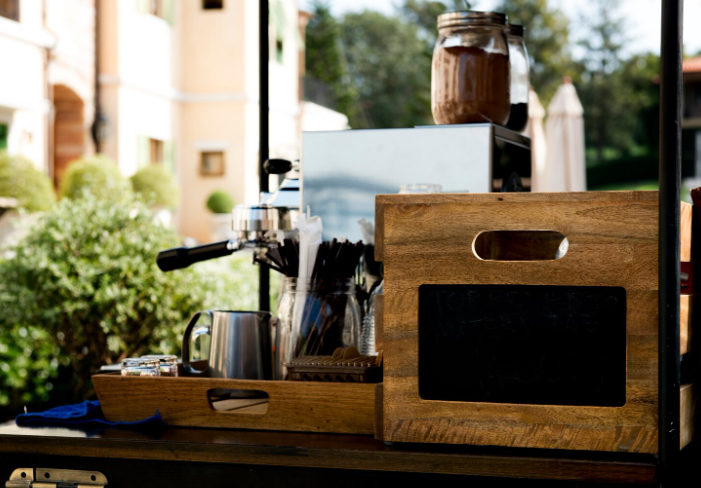
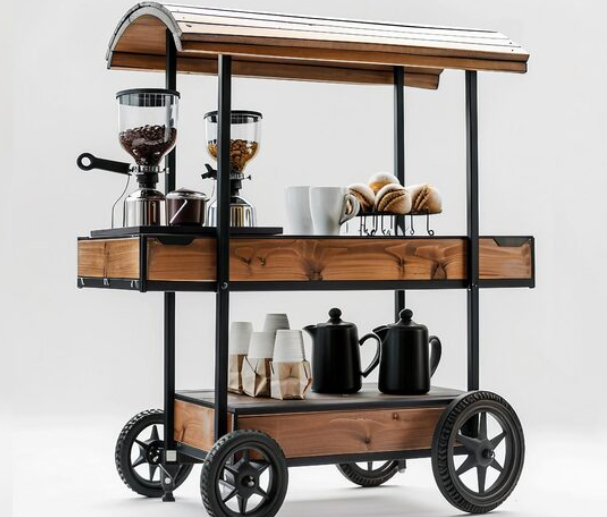
The visual presentation of the cart can contribute to the overall atmosphere. A clean and well-designed setup can complement the theme of an event while providing a practical service for guests.
What the Future May Hold
The continued demand for convenience, quality, and personalised experiences gives mobile coffee businesses room to grow. As consumers become more comfortable with services that come directly to them, coffee carts can continue finding new opportunities in workplaces, events, markets, and community spaces.
Some businesses may expand through event catering, partnerships, specialised menus, or other related services. Others may focus on developing a strong local following through consistent service and quality coffee.
The mobile coffee cart is more than a smaller version of a café. It represents a different way of connecting coffee with people. Its ability to move, adapt, and operate in different environments allows it to fit naturally into modern lifestyles.
As coffee culture continues to develop, mobile coffee solutions are likely to remain relevant. By combining professional preparation, convenient service, flexible locations, and direct customer interaction, coffee carts offer a practical approach to serving today's coffee drinkers while giving businesses new ways to connect with their communities.