
As urbanisation accelerates and architectural feats tower ever higher, the importance of maintaining building exteriors has become undeniable. Investing in facade cleaning services in Singapore ensures that the city's structures not only stand tall but also remain visually appealing and structurally sound. The demand for facade cleaning has surged as building owners and city planners prioritise aesthetics and the longevity of their properties.
Understanding the Importance of Facade Cleaning
Facades are the face of any building. They play a pivotal role in forming first impressions and safeguarding the structural integrity of the building. Over time, continuous exposure to environmental elements like dust, pollution, and weather conditions can tarnish building exteriors. These accumulated impurities not only diminish the visual appeal but can potentially cause long-term damage if left unattended. Regular cleaning thus becomes essential to prevent premature deterioration and to uphold a property’s value.
Techniques and Tools in Modern Facade Cleaning
Advancements in technology have revolutionised the way facades are cleaned. Traditional methods have given way to innovative solutions, ensuring more efficient and less abrasive cleaning processes. The use of water-fed pole systems, which employ purified water to eliminate streaks and residues, is rising in popularity among professionals. This method, combined with high-pressure steam cleaning and biodegradable chemical applications, tackles stubborn grime and stains effectively.
Understanding the material composition of a building’s exterior is essential when selecting the appropriate cleaning technique. Whether it’s glass, stone, or metal, each facade type requires a specialised approach to prevent damage while ensuring thorough cleanliness.
Eco-Friendly Practices in Facade Cleaning
As environmental concerns intensify, eco-friendly practices in facade cleaning have garnered attention. Service providers increasingly opt for sustainable products and practices that minimise harm to the environment. Biodegradable cleaning agents and water reclamation systems exemplify methods employed to reduce ecological footprints while maintaining high standards of cleanliness.
These eco-friendly techniques not only protect the environment but also adhere to stricter governmental regulations. Such practices support sustainability initiatives and promote a cleaner, greener cityscape.
Safety Protocols and Standards
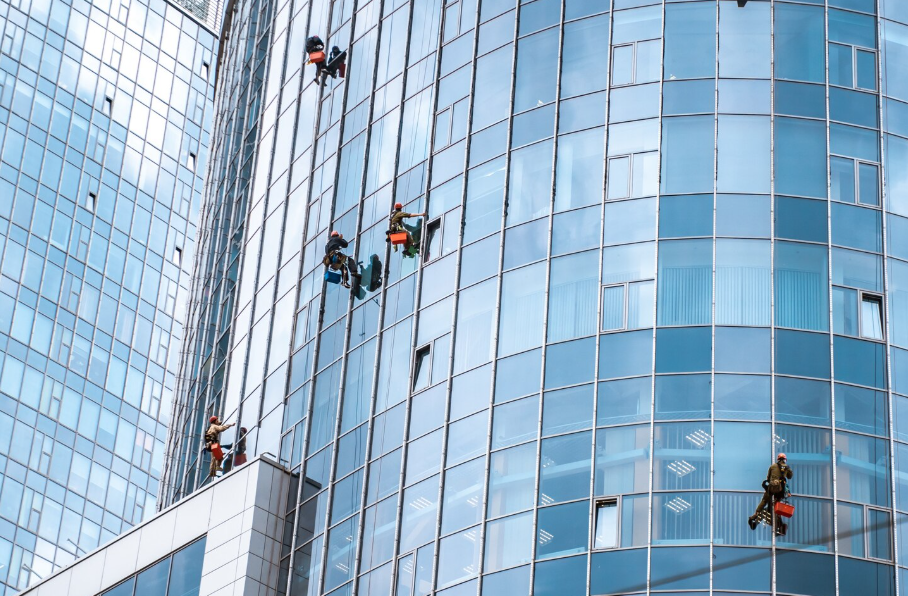
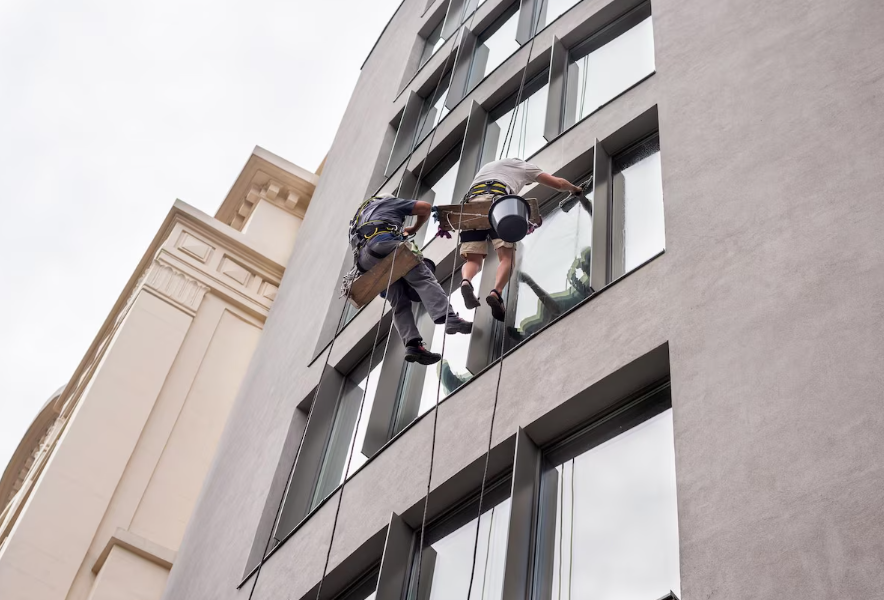
Facade cleaning, especially on high-rise structures, poses significant risks. Safety is paramount, and adherence to stringent safety standards and regulations is non-negotiable. Employing skilled professionals trained in the latest safety protocols is critical. Companies often use high-quality equipment such as safety harnesses, scaffolding, and mobile elevating work platforms (MEWPs) to ensure worker safety. Regular training, risk assessments, and adherence to occupational safety standards further mitigate potential hazards.
Cost Implications and Value Addition
While facade cleaning is an investment, its benefits greatly outweigh the costs. A pristine facade not only enhances the aesthetics but also adds to the longevity and overall value of the property. Potential tenants and buyers are more likely to be impressed by well-maintained buildings, translating to higher occupancy rates and property values. Preventative maintenance through regular cleaning can save building owners from expensive repairs down the line.
Additionally, investing in facade cleaning services can reflect a commitment to corporate social responsibility. Organisations demonstrating care for their infrastructure are seen as conscientious and environmentally responsible, positively influencing their reputation.
Trends and Developments in Facade Cleaning
Keeping up with current trends and developments in facade cleaning is crucial for service providers to stay competitive. There is an increasing shift towards digital solutions, such as drones, to inspect facades quickly and safely. These devices capture high-resolution images to assess the condition of a building’s exterior, offering detailed reports without risking human safety.
Robotics and automation are also making their mark. Robotic cleaners can operate on challenging surfaces and heights, providing consistency and precision in cleaning without human intervention. These technologies enhance efficiency and reduce downtime, allowing for more flexible and responsive services.
Challenges and Opportunities in the Industry
The facade cleaning industry faces several challenges, including varying building designs, climate conditions, and environmental regulations. Each unique facade presents a set of obstacles, necessitating tailored solutions and innovation.
However, these challenges provide opportunities for growth and differentiation. Companies that embrace technology and sustainability can position themselves as leaders in the industry, capturing a broader market share. Continuous innovation and adaptation to emerging trends are crucial for maintaining a competitive edge.
Conclusion
Facade cleaning is a critical service that contributes to the visual appeal and structural health of buildings. By embracing modern techniques, eco-friendly practices, and stringent safety protocols, the industry ensures the longevity and attractiveness of urban and architectural landscapes. As technology continues to advance, the future of facade cleaning promises greater efficiency, safety, and environmental responsibility.