

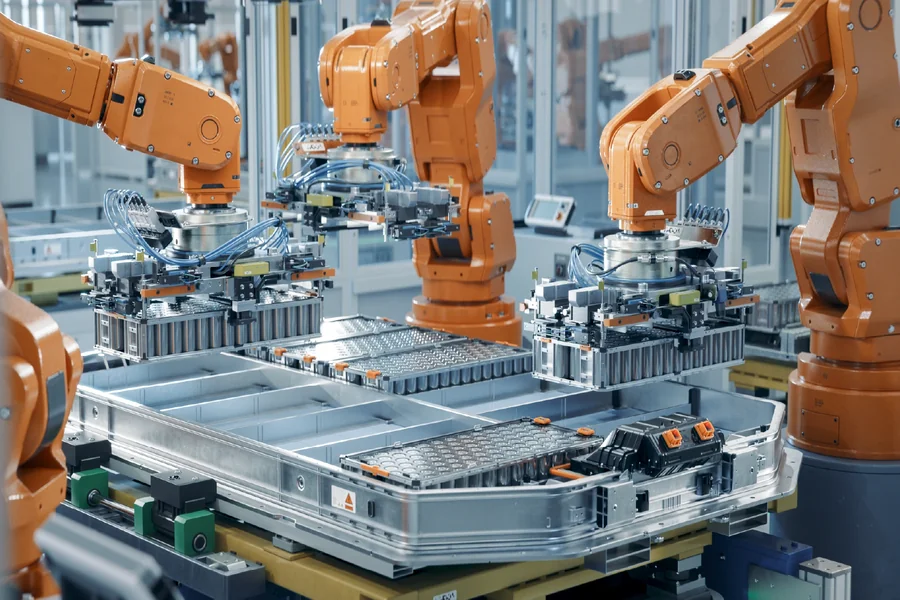
Electrical technology has advanced considerably as modern systems have become more compact, automated, and interconnected. From industrial control panels and power distribution systems to electronic equipment and automated machinery, electrical installations increasingly require precision during assembly, testing, maintenance, and troubleshooting.
This evolution has also influenced the technology behind the tools used by electrical professionals. Modern tools are no longer designed only for basic mechanical tasks. They incorporate improved materials, precision manufacturing, insulation technology, ergonomic engineering, measurement capabilities, and, in some cases, digital connectivity.
Understanding these developments provides a useful perspective on how electrical engineering technology continues to evolve.
Precision Is Becoming More Important in Electrical Engineering
Modern electrical systems contain increasingly compact components and connections. This means that even relatively simple installation and maintenance procedures can require a high degree of accuracy.
Precision engineered tools help control how conductors are stripped, terminals are secured, fasteners are tightened, and components are positioned.
For example, wire preparation requires removing insulation without unnecessarily damaging the conductor underneath. Similarly, terminal connections require appropriate mechanical force to maintain a reliable electrical connection.
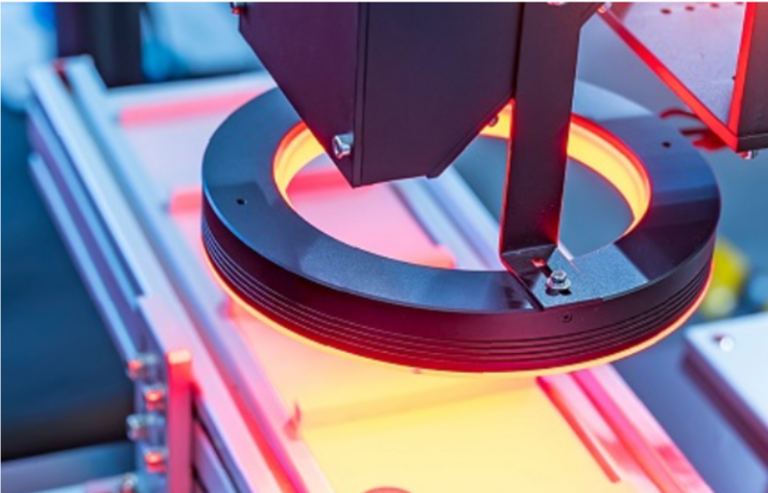
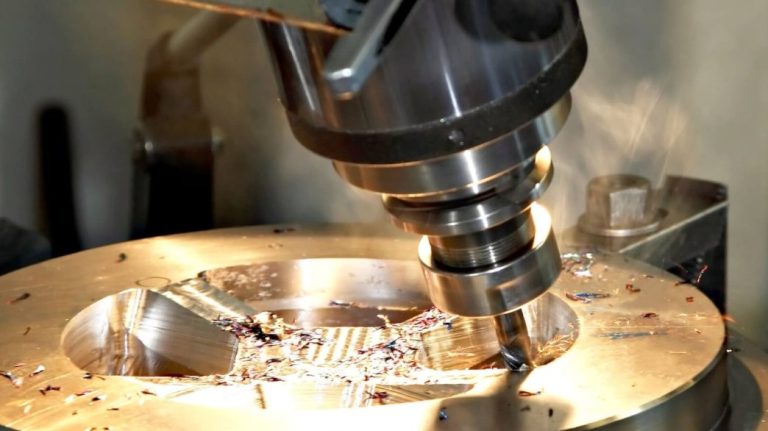
Manufacturing technologies such as computer numerical control machining and automated quality inspection allow modern tools to be produced with highly controlled dimensions. Consistency is important because even small variations can influence how a tool interacts with electrical components.
Advances in Insulation Technology
Electrical safety has driven significant developments in tool materials and construction.
Insulated screwdrivers, pliers, cutters, and other equipment are designed with protective insulating materials that create a barrier between the user and conductive components. The insulation itself must maintain its properties under the conditions for which the tool is designed.
Modern polymer and composite materials can provide a combination of electrical insulation, mechanical strength, durability, and resistance to environmental conditions.
Manufacturers can also use controlled production processes to ensure that insulating components are formed consistently around metal tool structures.
This represents an important connection between material science and electrical engineering. The tool is not simply a shaped piece of metal; its materials and construction are engineered around the electrical environment in which it may be used.
Measurement Technology in Electrical Work
Electrical engineering increasingly depends on accurate measurement.
Voltage testers, multimeters, current measurement devices, insulation testers, and other instruments allow engineers and technicians to gather information about electrical systems without relying solely on visual inspection.
Modern measurement equipment can provide highly precise readings and may include digital displays, automatic range selection, data logging, and communication capabilities.
Digital measurement technology has changed troubleshooting considerably. Instead of simply determining whether a circuit is functioning, technicians can collect numerical information about voltage, current, resistance, continuity, and other parameters.
This data can then be used to identify abnormal conditions and determine where further investigation is required.
Smart Electrical Tools and Digital Integration
The development of connected technology is also influencing electrical maintenance equipment.
Some modern instruments can communicate measurement information to computers, mobile devices, or cloud based systems. This creates opportunities for engineers to record measurements electronically rather than relying entirely on handwritten notes.
Digital connectivity can also support maintenance documentation. Measurements taken during inspections can be associated with specific equipment, locations, or maintenance records.
As industrial facilities adopt more connected technologies, electrical testing equipment can become part of a larger information system.
This represents a shift from standalone instruments toward connected engineering equipment.
Ergonomic Engineering and Human Factors
Technology is also being applied to the physical design of electrical tools.
Electrical installation and maintenance can involve repetitive movements, prolonged tool use, and work in restricted spaces. Ergonomic engineering attempts to reduce unnecessary physical strain while maintaining the required level of control.
Handle geometry, grip materials, weight distribution, operating force, and tool balance can all affect usability.
Modern design software allows engineers to evaluate these factors during product development. Designers can create digital prototypes, assess component positioning, and modify dimensions before producing physical versions.
The result is equipment designed not only for mechanical performance but also for interaction between the tool and its operator.
Advanced Materials for Electrical Applications
Material science continues to play an important role in electrical engineering equipment.
Tool components may require different combinations of hardness, toughness, corrosion resistance, wear resistance, and electrical insulation depending on their intended application.
Hardened steels and engineered alloys can improve durability in components exposed to repeated mechanical loading. Advanced polymers and composites can provide electrical insulation while maintaining structural strength.
Surface treatments can also improve resistance to corrosion and wear. These technologies are particularly relevant in industrial environments where equipment may be exposed to moisture, chemicals, temperature variations, or continuous use.
Material selection is therefore an engineering decision rather than simply a manufacturing preference.
Electrical Tools in Industrial Automation
Industrial automation has created new requirements for electrical installation and maintenance.
Factories increasingly use programmable controllers, sensors, motor drives, robotics, industrial communication systems, and automated control equipment. Maintaining these systems requires technicians to work across both electrical and mechanical interfaces.
Tools used in these environments must therefore support precise wiring, terminal installation, panel assembly, measurement, and equipment adjustment.
The growing complexity of automation systems also means that troubleshooting increasingly involves both physical inspection and electronic diagnostics.
Electrical technicians may need to examine wiring while simultaneously interpreting information from sensors, controllers, and diagnostic software.
Technology for Cable Preparation and Connection
Cable technology is another area where precision has become increasingly important.
Modern electrical installations can contain large numbers of conductors, connectors, terminals, and control cables. Poorly prepared conductors can create unreliable connections and potentially affect system performance.
Specialised stripping and cutting technologies allow conductors and cable jackets to be prepared more consistently.
Crimping technology is similarly important. A correctly formed crimp creates a controlled mechanical and electrical connection between a conductor and terminal.
Modern manufacturing processes allow crimping tools to be engineered around specific conductor sizes and terminal designs. Some advanced systems can also provide controlled mechanical operation to improve consistency during repetitive production work.
Automation in Tool Manufacturing
The technology behind the tools themselves has also evolved.
Modern manufacturing facilities can use automated machining, robotic handling, computer controlled heat treatment, laser marking, automated inspection, and digital quality management systems.
These technologies help manufacturers maintain consistency across large production volumes.
Digital manufacturing also makes it easier to track production information. Tool components can be associated with manufacturing batches, inspection data, and quality records.
This is particularly valuable for professional engineering equipment where consistency and traceability can be important considerations.
Maintenance Technology and Predictive Approaches
The concept of predictive maintenance is becoming increasingly important across electrical engineering.
Industrial systems can use sensors to monitor parameters such as temperature, vibration, current, voltage, and operating cycles. Changes in these measurements can provide indications of developing equipment problems.
Electrical technicians may use measurement instruments to investigate these changes and verify equipment conditions.
This creates a relationship between traditional maintenance practices and modern data driven engineering.
Rather than relying exclusively on fixed maintenance schedules, organisations can increasingly use equipment data to determine when inspection or servicing may be appropriate.
The Role of Electrical Tools in Modern Engineering
The development of modern electrical tools and equipment reflects broader changes taking place across engineering technology.
Precision manufacturing, advanced materials, digital measurement, insulation technology, ergonomic design, automation, and connected systems are all influencing how electrical professionals install and maintain modern equipment.
The tools themselves may remain relatively compact, but the technology behind their design and production can be highly sophisticated.
As electrical systems become more complex, the need for accurate and reliable engineering equipment will continue to grow.
What the Future Could Bring
Future electrical maintenance technology is likely to involve greater integration between physical tools and digital systems.
Smart measurement instruments could provide increasingly detailed information about equipment condition. Wireless communication may make it easier to transfer measurements into maintenance platforms, while artificial intelligence could assist engineers in analysing large volumes of diagnostic information.
Manufacturing technology will also continue to improve. Advanced materials, precision machining, additive manufacturing, and automated inspection could enable more specialised tool designs.
These developments demonstrate that the evolution of electrical tools and equipment is closely connected to the broader development of electrical engineering technology.
Conclusion
Electrical tools are an important part of the technology ecosystem supporting modern electrical engineering. Their development involves much more than basic mechanical design. Materials science, precision manufacturing, insulation engineering, measurement technology, ergonomics, automation, and digital connectivity all contribute to the capabilities of modern equipment.
As electrical systems become increasingly automated and interconnected, the tools used to install, test, maintain, and troubleshoot them will continue to evolve alongside the technology they support.
The result is a growing connection between traditional electrical engineering practices and advanced manufacturing and digital technologies, ensuring that professional equipment remains capable of supporting increasingly sophisticated electrical systems.








1 thought on “How Technology Is Transforming Electrical Tools and Engineering Equipment”