
Connectivity has become one of the foundations of modern technology. Computers, smartphones, industrial equipment, storage devices, displays, cameras, and countless other electronic systems need reliable methods of transferring data and electrical power.
Universal Serial Bus, commonly known as USB, has become an important part of this ecosystem. What appears to be a simple connection between two electronic devices actually involves several areas of engineering, including electrical signalling, power management, connector design, electromagnetic compatibility, materials science, and communication protocols.
Understanding the technology behind USB connectivity helps explain why different generations and configurations can provide very different levels of performance.
How USB Technology Transfers Data
At its core, USB technology provides a standardised method for communication between electronic devices.
When two compatible devices are connected, the USB system establishes communication between a host and a connected peripheral. The host manages communication while the peripheral responds according to the applicable USB specifications.
Digital information is transmitted through electrical signals travelling between the connected devices. The design of the physical connection therefore has an important influence on signal quality.
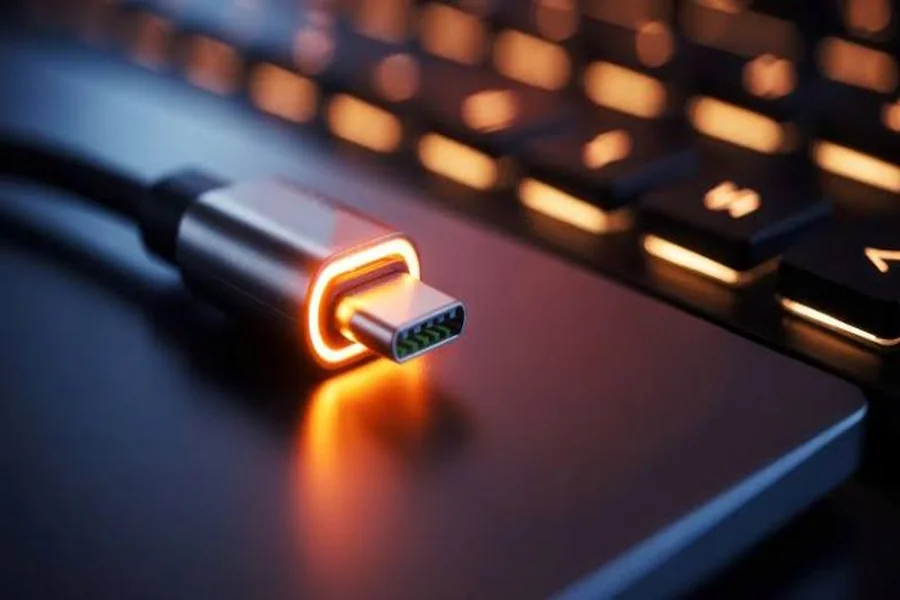
A modern usb cable is not simply a collection of wires. Its internal conductors, insulation, shielding, connector construction, and electrical characteristics are designed to support particular communication and power requirements.
As data speeds have increased, engineering requirements have become more demanding. Higher frequency signals are more sensitive to impedance variations, interference, attenuation, and manufacturing inconsistencies.
Signal Integrity and High Speed Communication
Signal integrity is an important concept in modern electronic engineering.
When digital signals travel through a connection, they can experience distortion, attenuation, reflections, and electromagnetic interference. These effects can become increasingly significant as transmission speeds rise.
Engineers therefore consider conductor characteristics, dielectric materials, geometry, impedance, and shielding when designing high speed connectivity systems.
The physical arrangement of conductors can affect how signals interact with one another. Controlled construction helps reduce unwanted interference and maintain reliable communication.
This is one reason why high speed USB systems require more sophisticated engineering than older low speed connections.
Connector Engineering
The connector is another important part of USB technology.
A connector must provide reliable electrical contact while also withstanding repeated insertion and removal. Its physical dimensions, contact arrangement, mechanical strength, and materials all contribute to its performance.
Modern connector designs can be extremely compact while still supporting multiple electrical functions.
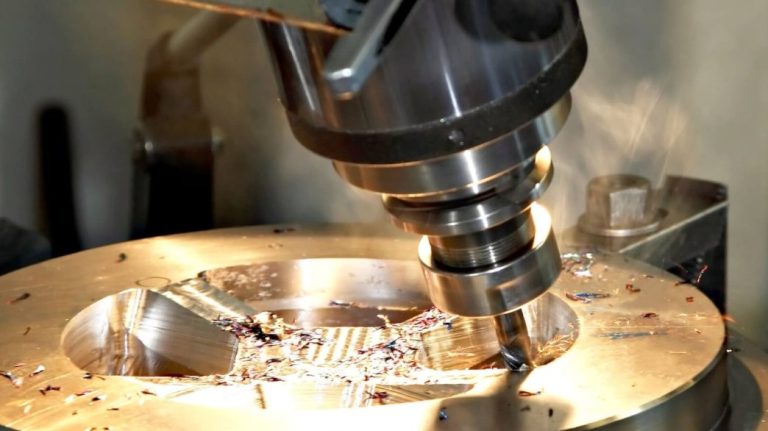
Manufacturing precision is particularly important because contact positions and dimensions must remain within defined tolerances. Small variations can affect mechanical fit or electrical performance.
Materials also matter. Connector contacts may use conductive metals selected for electrical characteristics and resistance to corrosion, while the outer housing can use engineered polymers designed for durability and insulation.
Power Delivery Technology
USB technology has expanded beyond data communication to become an important method of supplying electrical power.
Modern USB standards can support significantly more sophisticated power management than earlier generations. Devices can communicate their power requirements and negotiate suitable operating conditions when supported by compatible hardware.
This allows a single connection to potentially handle both data communication and power delivery.
Power management requires careful engineering because voltage, current, temperature, connector specifications, and device requirements all need to remain within appropriate operating limits.
This has made USB particularly useful for modern portable electronics and computing equipment.
The Importance of Shielding
Electronic systems operate in environments containing numerous sources of electromagnetic energy.
Motors, switching power supplies, wireless systems, processors, displays, and other electronic components can generate electromagnetic interference. Uncontrolled interference can affect signal quality.
Shielding technology is therefore an important part of many high performance connectivity designs.
Conductive shielding materials can help reduce electromagnetic coupling between the cable and its surroundings. Shielding can also help prevent signals inside the connection from interfering with nearby electronic systems.
The effectiveness of shielding depends on factors such as material selection, coverage, construction, grounding, connector design, and manufacturing quality.
Materials Technology
Materials science plays a significant role in USB connectivity.
The conductors need suitable electrical properties, while insulation must provide electrical separation and physical protection. Outer jackets need to withstand bending, abrasion, temperature changes, and everyday mechanical stress depending on the intended application.
Engineers can select polymers and composite materials based on flexibility, durability, temperature resistance, and electrical characteristics.
The internal conductor arrangement is also carefully engineered. As transmission speeds increase, the physical geometry of the connection becomes more important to electrical performance.
This demonstrates how modern connectivity products combine electrical engineering with materials technology.
USB and Device Communication
USB is more than a physical connection. It also involves communication protocols that define how devices identify themselves and exchange information.
When a device is connected, the host can determine what type of peripheral has been attached and what capabilities it supports. The operating system can then load or activate the appropriate software interface.
This standardised communication model allows many different categories of hardware to interact with computers and other host systems.
Storage devices, keyboards, cameras, audio interfaces, networking equipment, printers, and other peripherals can use USB connectivity while operating according to their respective device requirements.
Backward Compatibility and Technology Development
One of the challenges in technology development is maintaining compatibility while improving performance.
USB has evolved through multiple generations, with improvements in data transfer capabilities, power management, connector technology, and device functionality.
Newer systems can offer substantially greater performance than earlier implementations, but compatibility considerations remain important.
This requires engineers to balance innovation with established standards. A new generation must provide improved capabilities while maintaining appropriate interoperability with existing hardware where the specifications allow it.
Such standardisation is one reason USB has remained widely adopted across the technology industry.
Manufacturing Precision and Quality Control
Modern connectivity components depend heavily on manufacturing technology.
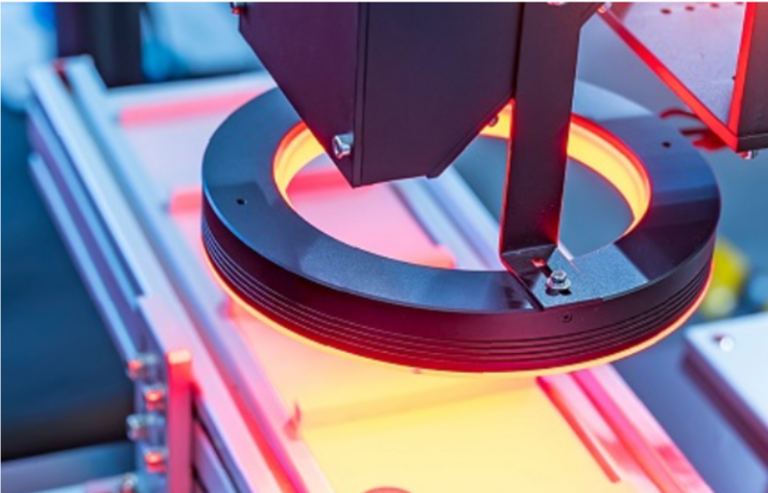
Automated production systems can control conductor placement, insulation thickness, connector assembly, and other physical characteristics with high precision.
Quality control systems can then test electrical continuity, insulation performance, signal characteristics, connector dimensions, and other parameters.
For high speed applications, electrical testing becomes especially important because a connection can appear physically correct while still exhibiting performance problems caused by signal integrity issues.
Automated inspection and electrical testing therefore form an important part of modern connectivity manufacturing.
USB Technology in Computing and Industrial Systems
USB is widely associated with consumer electronics, but its technology also has applications in professional and industrial environments.
Computers use USB connections for peripherals and external storage. Engineering systems can use USB interfaces for programming, configuration, measurement instruments, data acquisition equipment, and development hardware.
In industrial environments, connectivity requirements may be more demanding because equipment can operate around electrical noise, vibration, temperature variation, and continuous use.
This can increase the importance of connector durability, shielding, mechanical construction, and electrical reliability.
The Future of USB Connectivity
Connectivity technology continues to evolve as electronic devices become faster and more capable.
Future developments are likely to focus on higher data rates, improved power management, smaller connectors, greater integration, and more efficient communication between devices.
As computing hardware becomes increasingly compact, physical connectivity must also become more efficient. At the same time, applications involving high resolution media, fast storage, artificial intelligence workloads, and professional data processing create greater demand for high bandwidth connections.
Advances in semiconductor technology, materials engineering, signal processing, and manufacturing precision will continue to influence the development of USB systems.
Conclusion
The technology behind a usb cable extends far beyond the physical connection between two devices. Modern USB systems combine electrical engineering, digital communication, power management, connector design, shielding, materials science, precision manufacturing, and standardised protocols.
As electronic devices continue to become faster and more interconnected, the engineering requirements for reliable physical connectivity will also increase. Better materials, improved signal integrity, advanced manufacturing, and evolving communication standards will continue to shape USB technology.
Understanding these engineering principles makes it clear that modern connectivity is not simply about plugging two devices together. It is the result of carefully designed electrical and mechanical technologies working together to enable reliable communication and power transfer.