
There's a growing trend among consumer brands, particularly those aimed at families: pairing their products with initiatives that give back — not through vague charitable donations, but through direct partnerships with young people trying to build something of their own. It's a shift from "buy this and we'll donate a portion" to "buy this and support an actual person's entrepreneurial journey."
This model has taken hold in the children's and teen apparel space in particular, where the customer base — parents raising the next generation — has an obvious interest in programs that invest in kids and young adults. Rather than treating corporate social responsibility as a separate marketing line item, some brands have built youth mentorship directly into their business model.
What a Youth Entrepreneurship Partnership Actually Looks Like
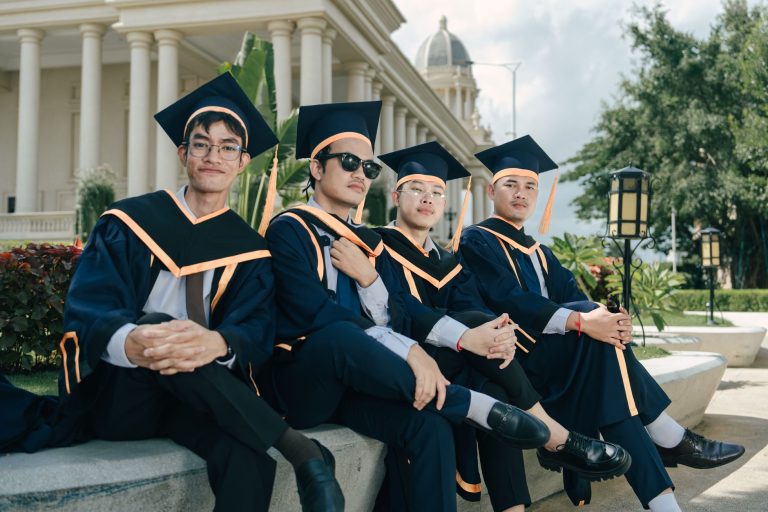
Bleuet runs one such initiative, partnering with young, mission-driven entrepreneurs and giving them a platform to develop and sell products tied to causes they care about. Instead of a generic donation model, the approach connects real purchases to real people building real projects — a structure that gives customers more visibility into where their money goes and gives young entrepreneurs practical, early-stage business experience.
This kind of program does two things at once. First, it gives young people mentorship and market access that would otherwise take years to build on their own — the kind of first-hand experience in production, marketing, and customer feedback that's hard to replicate in a classroom setting. Second, it gives the brand's existing customers a way to support causes they care about without needing to seek out a separate nonprofit or research a project independently; the connection is already built into the shopping experience.
Why This Resonates With Parents Specifically
Parents shopping for their kids are often thinking about more than just the product in front of them — they're thinking about the values they want to model. A purchase that also supports a young entrepreneur's first business venture carries a different kind of weight than a purely transactional one. It turns a routine shopping trip into something that, in a small way, invests in the next generation of founders and changemakers.
This is particularly resonant in categories like children's apparel, where the emotional stakes of a purchase — buying a first bra, outfitting a child for a new school year — are already higher than an average retail transaction. Layering a give-back component onto that experience deepens the connection between brand and customer without requiring a hard sell.
A Model That's Likely to Spread
As younger consumers — including teens themselves — become more vocal about wanting the brands they support to reflect their values, it's likely more retailers will move toward this kind of structural, ongoing partnership model rather than one-off charitable campaigns. Direct entrepreneurship support offers something a donation line item can't: a visible, ongoing relationship between a brand's revenue and tangible outcomes for real people.
For an industry that has sometimes been criticized for disconnected "give back" marketing, initiatives like this represent a more grounded, accountable approach — one where the impact isn't just claimed, but built into the business itself.