
Teacher salaries and unlimited clothing budgets rarely go together. If you’re stretching every paycheck already, spending big on a whole new wardrobe every August just isn’t realistic, and honestly, it shouldn’t have to be.
A few smart choices go a long way toward looking put-together for a full school year without draining your budget in the process.
Prioritize Cost-Per-Wear
The math on teacher clothing is different from a lot of other jobs. You’re wearing these pieces constantly, often five days a week for nine months straight, which changes what actually counts as a good deal.
A slightly pricier piece worn twice a week beats a cheap one worn twice a year. Think in terms of total wears, not just upfront price, when deciding where to spend a little more.
Where Graphic Tops Fit the Budget
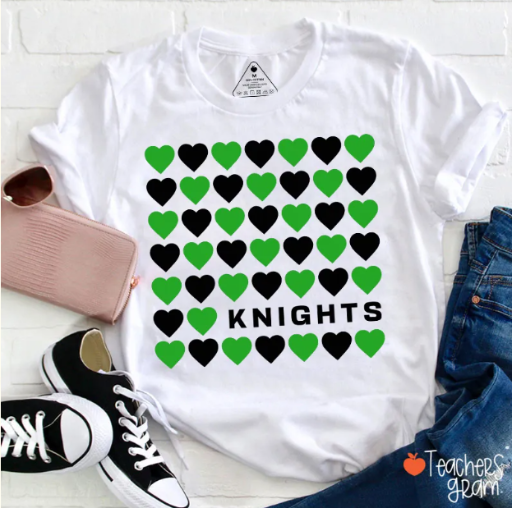
Statement pieces are often assumed to be a splurge category, but that’s not always true. A well-chosen graphic top can actually stretch further than people expect, since it pairs easily with whatever bottoms you already own.
A good rotation of teacher shirts covers a surprising number of days without needing constant variety. Buy three or four in different designs, rotate them through the week, and you’ve got a wardrobe backbone that costs less overall than buying a completely new outfit for every day.
Bottoms: Where to Actually Spend More
If there’s one category worth a bigger investment, it’s bottoms. Comfortable, well-fitting pants or skirts that hold up to a full teaching day — sitting, standing, chasing kids at recess duty — are worth paying more for than trend pieces you’ll wear less consistently.
Two or three solid pairs, properly fitted, will outlast a closet full of cheaper options that lose shape after a few months of regular wear.
Thrifting for Teacher Basics
Secondhand shops are genuinely underrated for building out a work wardrobe. Cardigans, blazers, and basic tops show up regularly, often barely worn, since a lot of professional clothing gets donated in great condition.
Check thrift stores specifically in late summer, right before school starts, when a lot of people are cleaning out closets and donating work clothes ahead of their own new-season shopping.
Timing Purchases Around Sales
End-of-summer sales are prime time for stocking up on classroom-ready basics, since a lot of retailers push seasonal inventory out before fall arrives. Watch for markdowns in the final weeks of August specifically.
Plan ahead if you can. Buying a few pieces in July at full price because you’re anxious about the school year starting usually costs more than waiting two or three weeks for the sale cycle to hit. That said, if you want first pick of designs before popular ones sell out, checking back to school shirts collections early in the season is worth the trade-off, since the best graphics tend to move fast once the season kicks into gear.
Making Pieces Multitask
The most budget-friendly wardrobe pieces work for more than one context. A cardigan that works over a graphic top for a casual day also works over a blouse for parent-teacher conferences, doubling its usefulness without doubling the cost.
Prioritize versatility over trendiness when your budget’s tight. A boring but flexible piece will save you more money over a school year than an exciting one-outfit item ever will.
Setting a Simple Annual Budget
Rather than shopping reactively throughout the year, set a rough total budget at the start of the school year and break it into categories — shoes, bottoms, tops, layers. This keeps spending intentional and prevents the slow creep of small purchases that add up faster than expected.
Revisit the budget partway through the year to see how you’re tracking. Adjusting mid-year based on what’s actually holding up and what needs replacing keeps the whole system realistic rather than a rigid plan you abandon by October.
Getting More Mileage Out of Existing Pieces
Before buying anything new, take stock of what’s already in your closet from previous years. A lot of basics — solid tops, neutral bottoms, simple cardigans — don’t go out of style and can be reworked into new combinations without spending anything extra.
Small refreshes, like a new accessory or one new statement piece paired with existing basics, can make an old wardrobe feel current again without a full replacement. This approach stretches a tight budget further than starting from scratch every single year.
Splitting Purchases Between Essentials and Extras
A simple two-bucket system helps a lot of teachers stay on budget: one bucket for essentials (shoes, bottoms, basics) and one for extras (graphic pieces, accessories, anything more fun than functional). Fund the essentials bucket first, always, before allocating anything toward extras.
This structure prevents the common trap of spending your whole budget on exciting extras early in the shopping season, only to realize later you still need to cover the boring but necessary basics with whatever’s left.