
Owning a home is one of the most rewarding investments you can make, but it comes with a steady stream of ongoing responsibilities. Too many homeowners find themselves scrambling to fix problems that could have been prevented with just a little planning. A seasonal home repair checklist takes the guesswork out of maintenance entirely, helping you stay ahead of issues before they turn into expensive headaches. When you organize tasks by season, protecting your property year-round becomes far less overwhelming, and that peace of mind is genuinely worth the effort.
Spring Maintenance: Waking Up Your Home After Winter
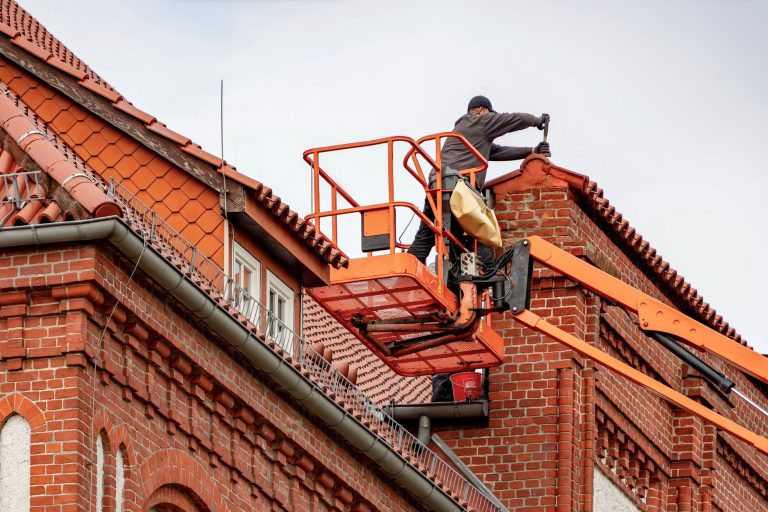
Spring is the perfect time to assess whatever damage winter weather may have left in its wake. Start by inspecting your roof for missing or damaged shingles, since ice and heavy snow can be surprisingly brutal on roofing materials. Check your gutters and downspouts for blockages caused by leaves and debris, making sure they are clear enough to handle spring rains without issue. Walk the perimeter of your home's foundation and look for cracks or signs of settling that may have shifted during the freeze-thaw cycle. It is also worth testing your outdoor faucets and irrigation systems to confirm everything is functioning correctly after months of dormancy.
Summer Upkeep: Protecting Your Home from Heat and Humidity
Summer brings its own set of challenges, particularly around heat, humidity, and the increased activity that comes with the season. Inspect your air conditioning system early on, cleaning or replacing filters and scheduling a professional tune-up if it has not been done recently. Check window and door seals for gaps that allow cool air to escape, since even small openings can drive energy bills up significantly over a few months. Take a close look at your deck or patio for loose boards, rusting hardware, or early signs of wood rot, and address any issues before the summer sun has a chance to make them worse.
Fall Preparation: Getting Ready for Colder Weather
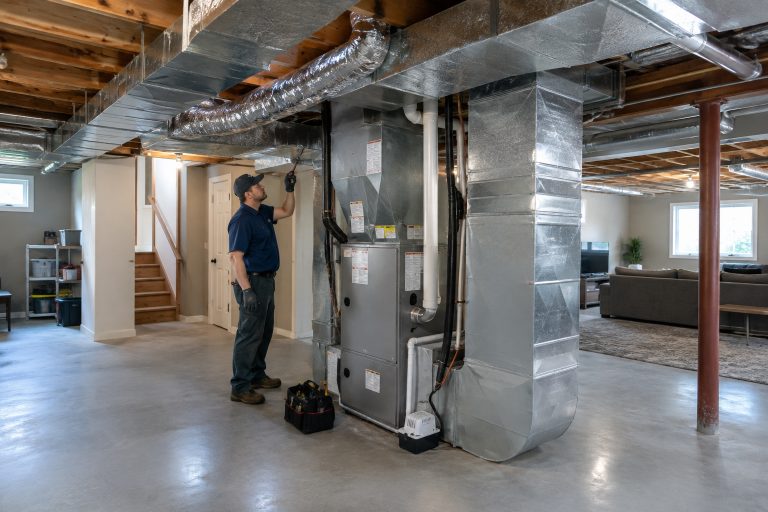
As temperatures start to drop, fall becomes the ideal window for preparing your home for the harder months ahead. Have your heating system serviced before you actually need it, checking filters, belts, and thermostats for any signs of wear that could leave you in the cold. Inspect and clean your fireplace and chimney to clear out creosote buildup, which is a genuine fire hazard if it goes unaddressed season after season. Drain and store garden hoses, and shut off exterior water supply valves before temperatures dip below freezing to protect your pipes. Fall is also the right time to evaluate your drainage system services in Georgia to confirm that water is being properly directed away from your home's foundation, preventing costly water damage from building up over the winter.
Winter Readiness: Keeping Your Home Safe in the Cold
Winter home maintenance is really about three things: safety, warmth, and protecting your home from the kind of damage that freezing temperatures and ice can quietly cause. Test your smoke detectors and carbon monoxide alarms throughout the house, replacing batteries where needed so everything stays fully operational when it matters most. Inspect attic insulation and ventilation to prevent ice dams from forming on your roof, which can lead to serious structural damage and frustrating interior leaks. Check exposed pipes in unheated spaces like garages, basements, and crawl spaces, and wrap them with insulation tape to guard against freezing.
Year-Round Habits That Make a Difference
Beyond the seasonal checklists, building consistent monthly habits is what truly keeps a home in solid shape over the long haul. Test your sump pump each month to make sure it activates properly and discharges water away from the foundation without hesitation. Replace HVAC filters every one to three months depending on how much use the system gets, and clean dryer vents regularly to cut down on fire risk. Keeping a maintenance log that tracks completed repairs, warranty details, and upcoming service appointments ensures nothing quietly slips through the cracks. These small habits might feel minor on their own, but they compound over time and can noticeably extend the life of your home's major systems.
Conclusion
A well-organized home repair checklist is one of the smartest tools any homeowner can have in their corner. Tackling maintenance tasks season by season reduces the likelihood of unexpected and costly repairs while keeping your home in genuinely great condition year after year. Whether you are a first-time homeowner or someone who has been managing a property for decades, a consistent maintenance routine pays off in both comfort and long-term value. Start building your checklist today and give your home the attention it deserves through every season.