

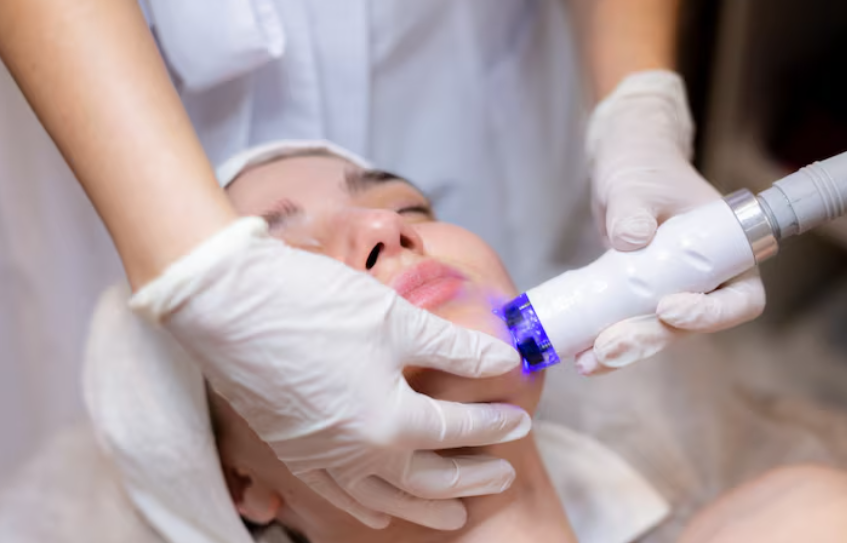
Milia are small, white or yellowish bumps that often appear around the eyes, cheeks, forehead, and other parts of the face. Although they are usually harmless, many people want to remove them because they can make the skin look uneven or affect their confidence. These tiny cysts can sometimes remain for a long time without improving on their own, which can lead people to look for professional treatment options. With improvements in cosmetic dermatology, laser treatment has become one option for managing certain types of milia. For people considering professional care, providers such as Hanguk Skin Solutions offer treatments designed to address common concerns such as milia and other small skin growths.
Understanding What Milia Are
Milia are small, keratin-filled cysts that form just beneath the surface of the skin. Keratin is a protein naturally found in the outer layer of the skin, as well as in hair and nails. Instead of leaving the skin naturally through the normal shedding process, the trapped material can form a small, firm bump.
Milia are particularly common around the eyes because the skin in this area is thinner and more delicate. However, they can also appear on the cheeks, nose, forehead, and other areas of the face. They are not usually painful or dangerous, and they are different from acne because they do not form from clogged pores in the same way.
People of any age can develop milia. Newborn babies commonly have them, while adults may develop them as a result of skin damage, certain skincare products, sun exposure, or other factors. Because different types of skin bumps can look similar, it is useful to have an unusual or persistent growth assessed by a qualified professional before attempting removal.
Traditional Approaches to Milia Removal
For many years, professional extraction has been a common way to remove milia. During this procedure, a trained professional creates a small opening in the skin and carefully removes the trapped keratin. When performed correctly in a suitable clinical setting, this method can be effective.
However, attempting to remove milia at home can create problems. Squeezing or picking at the bumps may damage the surrounding skin and increase the risk of irritation, infection, or scarring. This is especially important when milia appear close to the eyes, where the skin is particularly sensitive.
Some skincare products may also help improve the skin's natural exfoliation process. Ingredients such as retinoids or exfoliating acids can sometimes be recommended depending on the person's skin and the reason the milia developed. These options usually require consistent use and may not provide the immediate result that someone seeking removal may want.
How Laser Treatment Works
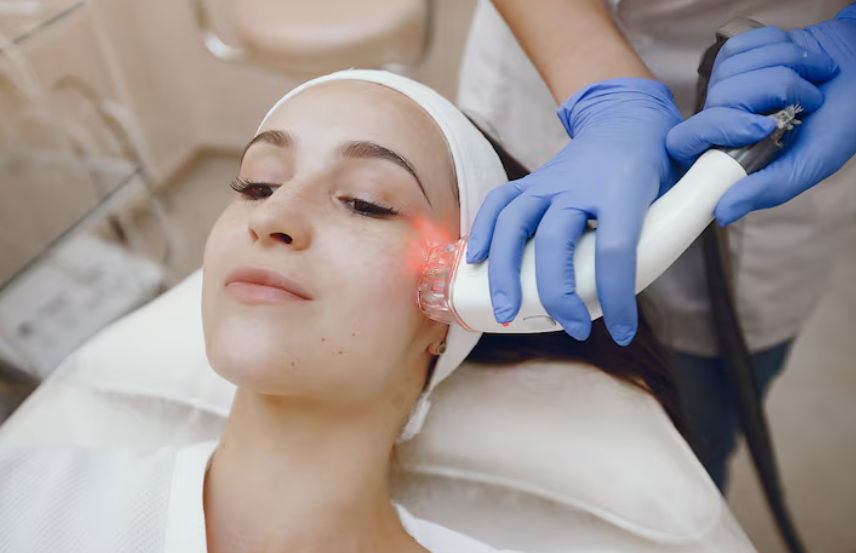
Laser technology has introduced another approach to treating certain types of milia. Instead of manually opening the skin, a suitable laser device uses focused energy to target the affected area. The exact laser and treatment method can vary depending on the clinic, the location of the milia, and the individual's skin.
The precision of laser technology can be particularly useful when treating small facial bumps. However, laser treatment is not automatically the best option for every person or every type of milia. A professional assessment should take place before treatment so that the practitioner can determine the appropriate approach.
What Happens During a Treatment Session?
The process normally begins with a consultation. The practitioner examines the affected areas and discusses the person's concerns, skin type, medical history, and previous treatments. This step is important because not every small white bump is necessarily milia.
Once the treatment plan has been established, the skin is cleaned and prepared. Depending on the treatment method and the sensitivity of the area, a numbing product may be used. The laser is then carefully applied to the individual milia.
Because milia are usually small, the treatment itself may be relatively short, particularly when only a few bumps are being addressed. Patients may feel some warmth, tingling, or mild discomfort during the procedure, depending on the laser used and the treatment area.
The length of the appointment depends on the number of milia and the area being treated. A consultation with the provider can give a more accurate idea of how long the procedure is likely to take.
Why Precision Matters When Treating Milia
One of the main reasons laser treatment is considered for milia is its ability to focus on small areas. Facial skin can be sensitive, and unnecessary treatment of the surrounding tissue may increase irritation or prolong recovery.
A properly selected laser and appropriate treatment settings can allow the practitioner to work carefully around the affected area. This is especially relevant when milia are located near the eyes, where greater care is needed.
However, precision depends not only on the equipment but also on the skill and experience of the practitioner. Patients should therefore look for a qualified provider who understands how to assess and treat different skin types.
Recovery and Possible Side Effects
After treatment, the skin may appear slightly red or feel sensitive for a short period. Some patients may also notice mild swelling or a small crust as the treated area heals. These effects can vary depending on the treatment method and the individual's skin.
Proper aftercare can help support the healing process. Patients should avoid picking or scratching the treated area, even if a small crust develops. Keeping the skin clean and following the provider's specific instructions can also help reduce the risk of complications.
Sun protection is particularly important after many laser procedures. Direct sunlight can increase the risk of pigmentation changes while the skin is recovering. A suitable broad-spectrum sunscreen and other forms of sun protection may therefore be recommended.
Although complications are uncommon when appropriate treatment is provided, laser procedures can sometimes cause pigmentation changes, prolonged irritation, burns, infection, or scarring. People with darker skin may have a greater risk of certain pigment changes after some laser treatments, so discussing skin type and potential risks during the consultation is important.
Choosing a Suitable Treatment Provider
Choosing the right provider is an important part of the process. Patients should consider the qualifications and experience of the practitioner, the condition of the clinic, and the type of technology available.
A good consultation should not focus only on the expected cosmetic result. The practitioner should also explain how the treatment works, possible side effects, expected recovery, and whether another treatment might be more suitable.
Patients should also be cautious of providers who promise perfect or permanent results. While treatment can remove existing milia, it does not necessarily prevent new ones from developing. Future milia can still appear because the factors that contribute to their formation may remain.
Aftercare Can Affect the Final Result
Taking care of the skin after treatment is an important part of achieving a good outcome. The treated area should generally be handled gently, particularly during the first few days.
Harsh scrubs, strong exfoliating products, and other irritating skincare products may need to be avoided until the skin has recovered. Patients should follow the specific advice given by their practitioner because aftercare requirements can differ depending on the laser and treatment settings.
It is also important to avoid unnecessary touching of the treated area. Picking at healing skin can interfere with recovery and may increase the chance of marks or scarring.
The Future of Milia Treatment
Laser technology continues to develop, giving dermatology professionals more options for treating different skin concerns. Improvements in laser devices, treatment settings, cooling systems, and skin assessment methods may continue to make procedures more controlled and comfortable.
At the same time, professional assessment remains important. New technology does not eliminate the need to determine what type of skin growth is being treated or whether a particular procedure is suitable for the individual.
As people become more interested in professional skincare treatments, milia removal is likely to remain an area where precision and personalised care are important. The goal is not simply to remove visible bumps but to do so while protecting the surrounding skin as much as possible.
Making an Informed Choice About Milia Removal
Milia are generally harmless, but their appearance can be frustrating, especially when they occur in visible areas of the face. Traditional extraction remains an option, while laser treatment provides another approach for suitable cases.
The most appropriate treatment depends on factors such as the type and location of the milia, skin type, medical history, and the practitioner's assessment. Laser treatment may offer precision and a relatively convenient procedure, but it is not suitable for everyone and does carry potential risks.
Anyone considering treatment should therefore consult a qualified professional before proceeding. By understanding the procedure, recovery process, possible side effects, and importance of aftercare, patients can make a more informed decision about whether laser milia removal is right for their skin.