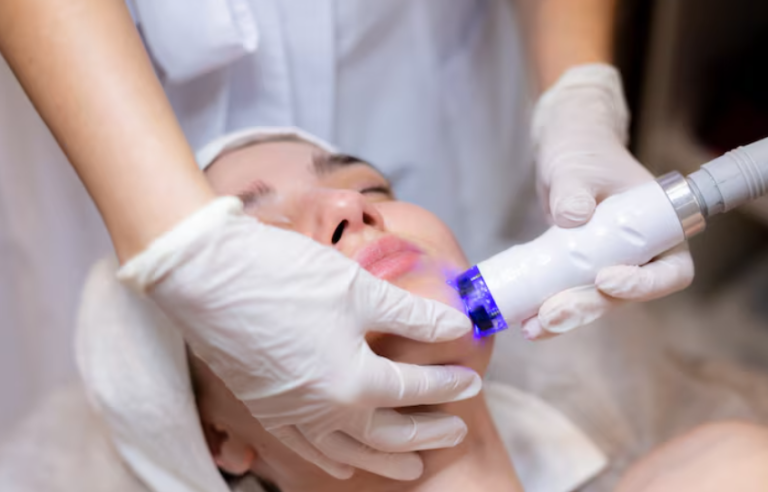

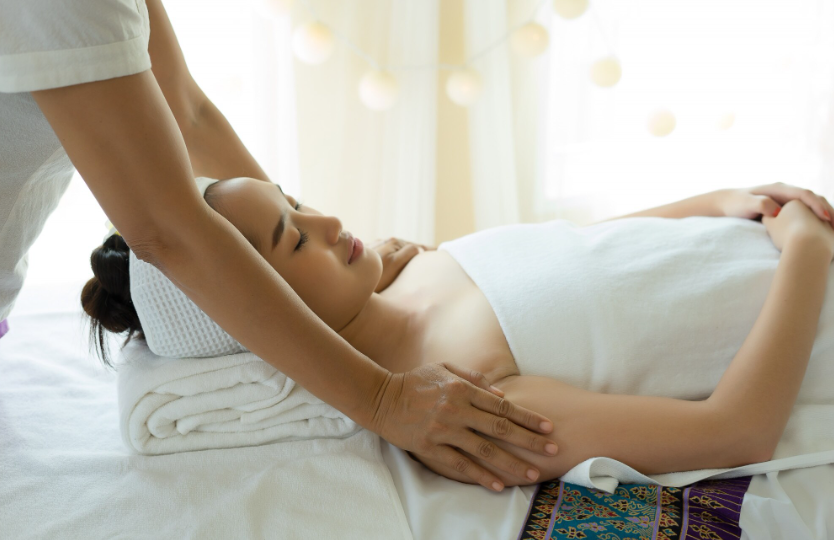
After childbirth, a new mother may experience tiredness, muscle tension, body aches, emotional stress, and difficulty finding time to rest. Postnatal massage can provide a comfortable way to support relaxation and ease some of the physical tension that may develop after delivery. For mothers looking for specialised care, post-pregnancy massage in Singapore can be one option to consider as part of a broader postnatal recovery routine.
Understanding Postnatal Massage
Postnatal massage is a form of massage adapted to the needs of mothers after childbirth. A trained practitioner can adjust the pressure, positioning, and techniques according to the mother's comfort and stage of recovery.
The main purpose is to promote relaxation, relieve muscular tension, and give the mother time to rest. It should complement normal postnatal healthcare rather than replace medical advice or treatment.
Relieving Muscle Tension
Pregnancy and childbirth can place considerable strain on the back, shoulders, hips, neck, and legs. After delivery, caring for a baby can add further pressure because mothers may spend long periods feeding, carrying, lifting, or sitting in one position.
Attention can be given to areas that feel particularly tense, provided the practitioner considers the mother's physical condition. Pressure should always remain comfortable, and the mother should communicate if any movement or technique causes pain.
Supporting Physical Recovery
The body needs time to recover after childbirth. Postnatal massage may help a mother feel more comfortable as she gradually returns to everyday activities. Gentle techniques can encourage relaxation around areas affected by muscular strain and may help reduce the feeling of heaviness that can accompany tiredness.
Massage is not a replacement for medical care, particularly when a mother has significant pain or complications. Instead, it can form part of a wider approach to rest, comfort, and recovery when a healthcare professional considers it suitable.
Encouraging Relaxation
Finding quiet time after childbirth can be difficult. New mothers may spend much of their day responding to their baby's needs, leaving little opportunity for personal rest. A calm massage session can create a dedicated period for slowing down and relaxing.
Gentle touch may help reduce physical tension and encourage a calmer state of mind. Regular relaxation may also make it easier for some mothers to manage everyday pressures.
Promoting Better Sleep
Sleep can become irregular after childbirth, particularly when a baby needs frequent feeding or attention. Physical discomfort can make rest even harder. Although massage cannot remove the practical demands of caring for a newborn, it may help the mother feel more relaxed.
Reduced muscle tension and a calmer state before bedtime may support better rest for some people.
Supporting Emotional Well-Being
Postnatal recovery involves emotional changes as well as physical ones. New mothers may feel overwhelmed, anxious, exhausted, or simply in need of personal space. Massage can offer a quiet opportunity to focus on comfort rather than responsibilities.
A relaxing experience may help improve a sense of well-being, but massage should not be considered a treatment for postnatal depression, anxiety disorders, or other mental health concerns. Anyone experiencing ongoing sadness, intense worry, hopelessness, or other concerning symptoms should seek professional support promptly.
Choosing a Suitable Practitioner
Selecting a practitioner with appropriate postnatal massage training is important. The therapist should understand how childbirth can affect the body and know when techniques need to be modified.
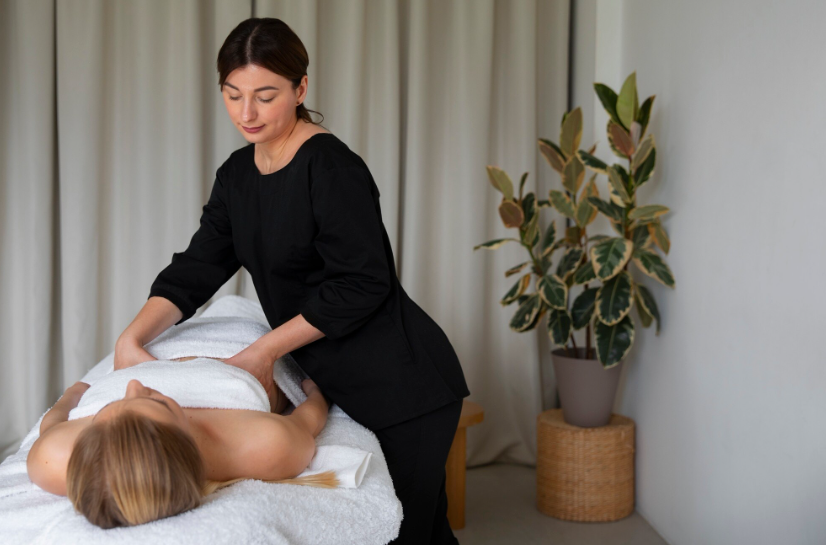
Before treatment, the practitioner should ask about the mother's delivery, current discomfort, healing areas, and general health. This information helps determine which positions and techniques may be suitable.
Considering the Delivery Method
Recovery can vary depending on whether a mother had a vaginal delivery or caesarean birth. A caesarean section involves an abdominal incision that requires careful healing, so massage around the surgical area should only be considered when medically appropriate.
Even after a vaginal delivery, there may be soreness or sensitive areas that require special care. The practitioner should avoid applying inappropriate pressure and should work around any areas that have not fully healed.
Safe Positioning and Pressure
Comfortable positioning is an important part of postnatal massage. Cushions and supports may be used to reduce strain and help the mother relax. The position should be adjusted whenever necessary.
Massage pressure should also be appropriate. Deep pressure is not automatically better, particularly when the body is still recovering. Gentle or moderate techniques may be more suitable, depending on individual circumstances. Any pain, dizziness, unusual discomfort, or other worrying sensation should be reported immediately.
When to Seek Medical Advice
Postnatal massage should be approached carefully when there are signs of a possible medical problem. Heavy bleeding, fever, severe pain, significant swelling, breathing difficulties, wound problems, or other unusual symptoms require medical attention rather than massage.
Mothers recovering from surgery or experiencing pregnancy-related complications should obtain useful medical advice before arranging treatment. A qualified healthcare professional can determine whether massage is appropriate and when it may be safe to begin.
Making Massage Part of Postnatal Care
Postnatal massage can be one part of a broader recovery routine. Adequate rest, nutritious meals, gentle movement when appropriate, hydration, medical check-ups, and emotional support are also important. Massage works best when it is viewed as an additional form of comfort rather than a complete recovery solution.
Every mother has different needs, so there is no universal schedule. Some may prefer occasional sessions, while others may find regular appointments useful. Frequency should depend on comfort, recovery, professional advice, and personal circumstances.
A Practical Approach to Postnatal Well-Being
Postnatal massage can offer meaningful support for mothers who are dealing with muscular tension, tiredness, physical discomfort, stress, or a need for relaxation. Its value lies in providing gentle care that recognises the body's changing needs after childbirth.
The safest approach is to choose a suitably trained practitioner, communicate openly, use comfortable techniques, and obtain medical guidance when necessary. When included thoughtfully alongside normal healthcare and healthy recovery habits, postnatal massage can give new mothers valuable time to relax, restore comfort, and focus on their own well-being while adapting to life with a new baby.