
Understanding Funeral Services in Singapore
Arranging a funeral is never an easy task. Families often need to make important decisions while dealing with grief, which can make the process feel overwhelming. There are also many practical matters to handle, from choosing a funeral arrangement to preparing the necessary documents and coordinating the service.
Singapore funeral services can provide valuable support during this difficult period. Professional funeral providers can help families manage the practical details while respecting their cultural, religious and personal preferences. In Singapore, this is particularly important because families may follow different customs and have their own expectations for a meaningful farewell.
Understanding Different Funeral Needs
Every family approaches a funeral differently. Religious beliefs, cultural practices and personal wishes can all influence how a funeral is arranged.
Some families may prefer a traditional ceremony that follows established religious practices. Others may choose a simpler service that focuses more on remembering the individual and sharing memories with family and friends.
Funeral providers need to understand these differences and communicate clearly with the family. A suitable service should be arranged according to the wishes of the deceased and their loved ones rather than following a fixed approach for everyone.
Cultural and Religious Considerations
Singapore is home to people from many cultural and religious backgrounds. Funeral arrangements can therefore vary significantly between families.
Religious ceremonies may involve specific prayers, rituals, readings or other practices. Families may also have preferences regarding the location of the wake, the length of the ceremony, burial or cremation, and the involvement of religious leaders.
Funeral directors who are familiar with different customs can help families organise these arrangements more smoothly. They can also coordinate with religious representatives, venues and other service providers when required.
Respecting these practices is important because a funeral is not only a formal ceremony. It can also provide families with an opportunity to observe traditions that offer comfort during a difficult time.
Planning a Personalised Funeral
While traditional practices remain important to many families, some people prefer a more personal approach to funeral planning. A personalised service can reflect the personality, interests and wishes of the person who has passed away.
Families may choose particular music, photographs, flowers, readings or video tributes. These details can create a service that feels more personal and gives family members and friends an opportunity to remember meaningful moments.
A personalised funeral does not necessarily mean moving away from cultural or religious traditions. Personal elements can often be included alongside established practices, depending on the family's wishes.
Burial and Cremation Arrangements
Families may need to decide whether burial or cremation is more appropriate. The choice can depend on religious beliefs, personal preferences and the wishes of the deceased.
The available options and requirements should be discussed with the funeral provider. They can explain the practical arrangements involved and help coordinate the necessary services.
For families who are unfamiliar with the process, professional guidance can make decision-making easier. Having someone manage appointments, transportation and documentation can reduce the amount of work the family needs to handle during an emotional period.
Legal and Administrative Requirements
Funeral planning also involves administrative responsibilities. Families need to complete the required procedures following a death before burial or cremation can take place.
Documents and permits may be required, and the exact process can depend on the circumstances. Funeral directors can assist with these arrangements and explain what information or documentation is needed.
Handling administrative matters correctly is important because missing documents or incorrect information can cause unnecessary delays. Professional assistance can help families complete these tasks while they focus on supporting one another.
Types of Funeral Services
Funeral providers may offer different types of arrangements depending on what families need. Some families choose a traditional funeral with a wake and formal ceremony, while others may prefer a smaller and simpler service.
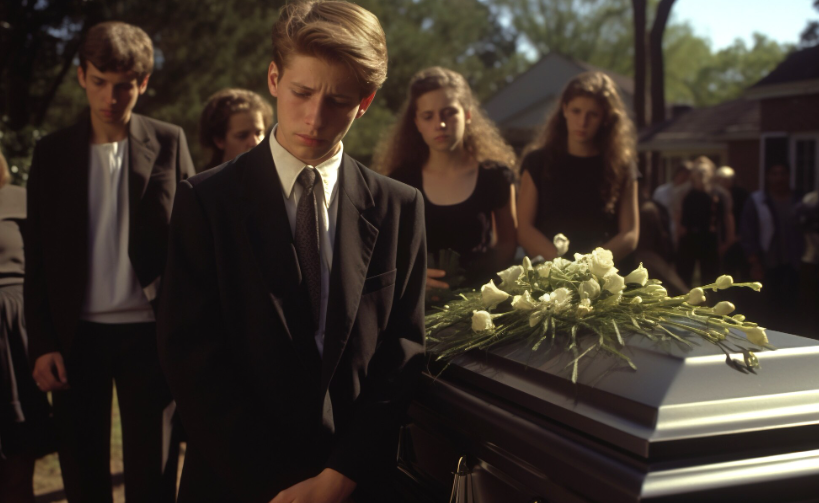
Direct cremation can be suitable for families who do not want a large ceremony. Others may prefer a celebration of life that focuses on sharing memories and bringing loved ones together.
The right choice depends on personal preferences, religious requirements and practical considerations. Families should feel comfortable discussing their needs with the funeral provider before making decisions.
The Importance of Funeral Service Professionals
Funeral directors play an important role in coordinating the practical side of a funeral. Their responsibilities may include arranging transportation, preparing the venue, coordinating with relevant authorities and communicating with other service providers.
They also need to communicate with families in a respectful and sensitive manner. Clear communication is particularly important because families may find it difficult to process large amounts of information while grieving.
An experienced funeral professional can explain available options without placing unnecessary pressure on the family. This can make the planning process more manageable.
Technology and Funeral Services
Technology has introduced additional ways for people to participate in funeral services. Live streaming, for example, can allow relatives and friends who are unable to attend in person to watch the ceremony remotely.
Digital memorials can also give families a place to share photographs, messages and memories. These options can be useful when loved ones live in different countries or are unable to travel.
Technology should complement the funeral rather than take away from the personal nature of the occasion. Families can decide whether these options are appropriate based on their preferences.
Considering the Environment
Environmental concerns can also influence funeral decisions. Some families may want to consider options that reduce waste or minimise the environmental impact of the arrangements.
The choice of coffin, flowers, memorial items and other services can all be considered when planning a more environmentally conscious funeral. Families can discuss available options with their funeral provider and choose what is suitable for their circumstances.
In a city where space is limited, cremation is also an option that some families may consider. The decision should ultimately reflect the wishes of the deceased and their loved ones.
The Role of Grief Support
The funeral is only one part of the grieving process. Families may continue to experience sadness and emotional difficulty long after the service has ended.
Some funeral providers may offer information about grief support or connect families with relevant community resources. Religious organisations, support groups and professional counsellors may also provide assistance.
Having access to support can be helpful, particularly for people who find it difficult to manage their emotions or adjust to changes after a loss.
The Importance of Family and Community Support
Family members, friends and community groups can provide valuable support during a funeral. They may help with practical tasks, attend the wake, prepare food or simply spend time with those who are grieving.
Religious and community organisations can also play an important role. Their involvement may be particularly meaningful for families who follow specific religious or cultural practices.
Support from others can make the period surrounding a funeral feel less isolating. It also allows families to share memories and find comfort in familiar people and traditions.
A Supportive Approach to Funeral Planning
Funeral services in Singapore need to accommodate different cultural practices, religious beliefs and personal preferences. At the same time, families need practical assistance with documentation, transportation, venues and other arrangements.
A reliable funeral provider can help manage these responsibilities while treating the family with care and respect. Personalised services, technology, environmental considerations and grief support can also provide additional options for families.
Although arranging a funeral is difficult, having clear information and dependable support can make the process easier to manage. The most important goal is to create a respectful farewell that honours the wishes of the deceased and provides comfort to those left behind.