
Understanding the Rise of Large-Format Tiles in Interior Design
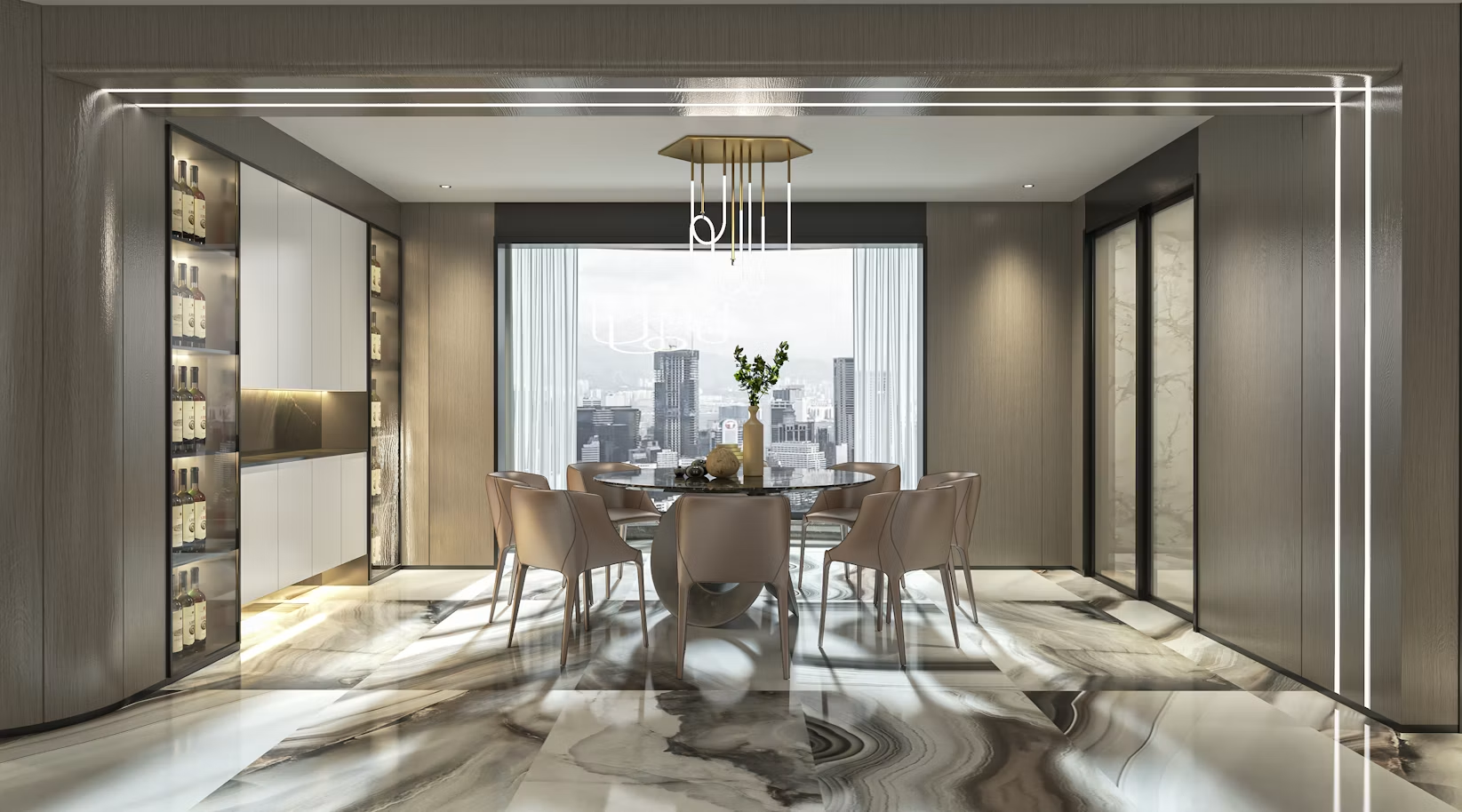
Large-format floor tiles have become increasingly popular in contemporary interior design due to their clean appearance, practical benefits, and range of applications. Usually available in dimensions larger than 60 x 60 cm, these tiles can create a more continuous surface with fewer grout lines. Suppliers such as Futar Singapore offer a range of large-format tiles for residential and commercial projects, giving designers and homeowners more options when planning modern interiors.
Advantages of Large-Format Tiles
One of the main benefits of large-format tiles is the reduced number of grout lines. Fewer joints create a more consistent surface while also reducing the amount of grout that needs to be cleaned and maintained. The uninterrupted appearance can also make a room feel more spacious, which is particularly useful in smaller apartments and compact commercial spaces.
Large-format tiles can also be used across floors and walls to create visual continuity. Using the same or complementary tile surfaces throughout a space can support a simple and cohesive design. This approach is commonly suited to modern homes, offices, retail spaces, and hospitality environments where clean lines are important.
Materials and Durability
Large-format tiles are available in materials such as porcelain, ceramic, and natural stone. Porcelain is widely used because of its strength, low water absorption, and resistance to everyday wear, making it suitable for areas such as bathrooms, kitchens, living spaces, and high-traffic areas.
Natural stone options, including marble and granite, provide distinct patterns and textures that give each installation a different appearance. However, stone generally requires more consideration in terms of maintenance and sealing.
Manufacturing improvements have also made it possible to produce large tiles that are thinner and lighter while retaining sufficient strength for many applications. This development has expanded their use beyond floors to walls and other interior surfaces.
Installation Considerations
Installing large-format tiles requires careful preparation because their size makes uneven surfaces more noticeable. The substrate must be properly levelled before installation to reduce the risk of cracking, uneven edges, and tile lippage.
Specialised adhesives may also be required to provide sufficient coverage and bonding. Installers need to ensure that the adhesive is distributed evenly beneath the tile, particularly when working with larger dimensions.
Due to the size and weight of these tiles, handling can also require more than one installer. Proper lifting, positioning, and levelling help minimise damage and achieve a consistent finished surface. For this reason, large-format tile installation is generally best handled by experienced professionals.
Design Versatility
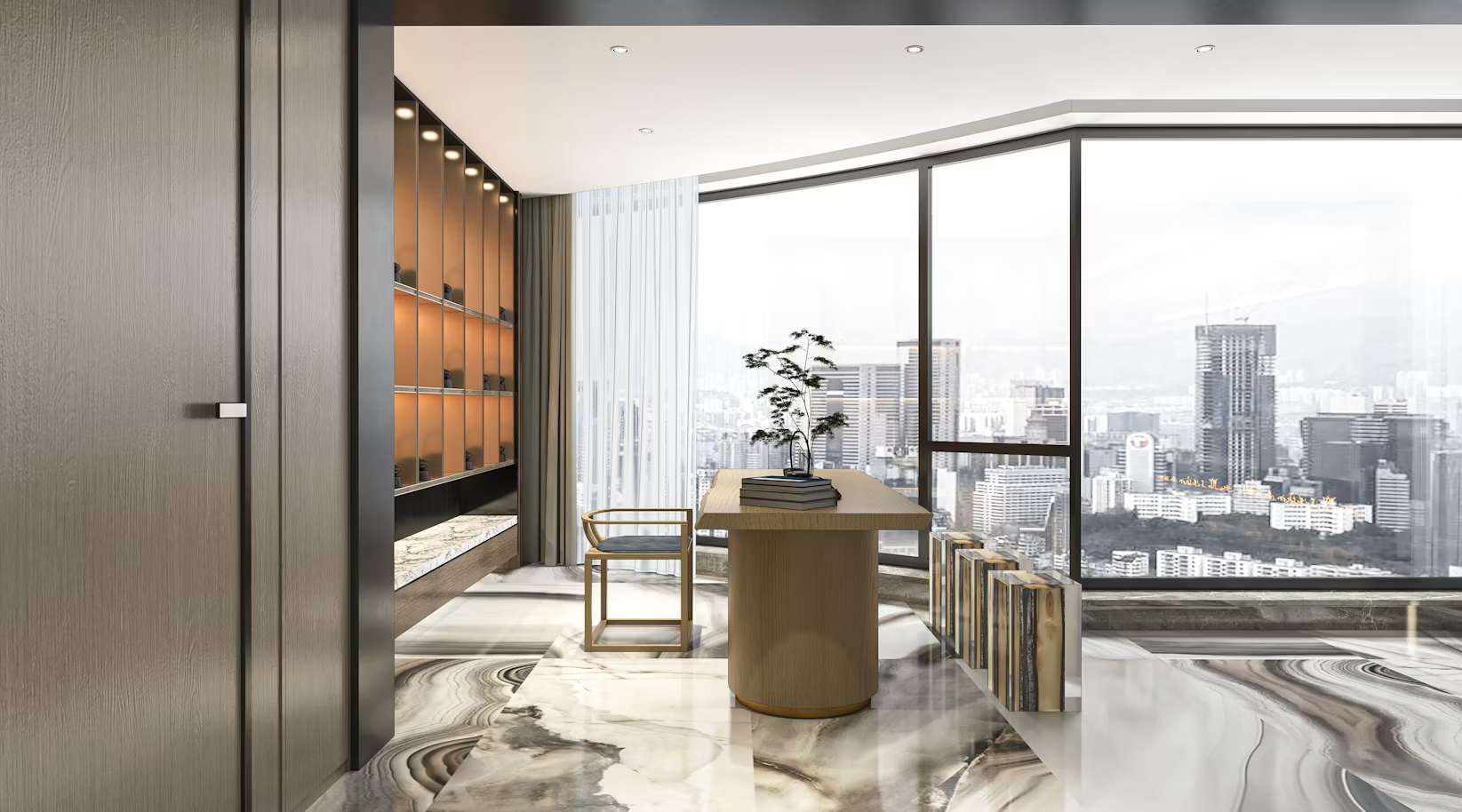
Large-format tiles are available in numerous colours, patterns, textures, and finishes. Digital printing technology allows manufacturers to reproduce the appearance of materials such as concrete, marble, wood, and natural stone while maintaining the practical characteristics of manufactured tiles.
Their applications are not limited to flooring. Large-format tiles can be incorporated into feature walls, kitchen splashbacks, bathroom walls, countertops, and other interior surfaces. Using matching or coordinated tiles across different areas can create a consistent design throughout a property.
Certain products can also be used in exterior applications, depending on their specifications and installation requirements. This makes large-format tiles suitable for selected architectural surfaces and outdoor areas.
Environmental Considerations
Durability can contribute to the environmental benefits of large-format tiles because longer-lasting surfaces generally require fewer replacements. This can help reduce material waste over the lifespan of a building.
The environmental impact of tiles also depends on the materials used, manufacturing methods, transportation, and disposal. Some manufacturers have introduced production processes designed to reduce resource consumption and improve efficiency.
Large-format tiles can also work well with underfloor heating systems when the selected product and installation method are suitable for such applications. Tile surfaces conduct and distribute heat effectively, which can support efficient heating in appropriate indoor environments.
The Role of Technology
Advances in manufacturing technology have contributed significantly to the development of large-format tiles. Digital printing allows manufacturers to create detailed patterns and realistic surface finishes, including natural stone veining, concrete textures, and other decorative effects.
Design software has also improved the planning process. Designers and homeowners can use digital visualisation tools to preview different tile sizes, layouts, colours, and finishes before installation. This can help with material selection and reduce the likelihood of design changes during a project.
Conclusion
Large-format tiles have become a practical option for modern interior design, combining reduced grout lines, durable materials, and flexible design possibilities. Their use across floors, walls, splashbacks, countertops, and selected exterior surfaces allows designers to create consistent finishes across different areas.
As manufacturing and digital design technologies continue to develop, large-format tiles are likely to remain a popular choice for residential and commercial projects. Suppliers such as Futar Singapore provide access to different tile styles and formats, allowing designers and homeowners to select products suited to their functional and aesthetic requirements.