
Milia are small, white cysts that appear on the skin, often mistaken for whiteheads. Their emergence can be baffling for individuals maintaining a curated skincare routine. With a prevalence across different age groups, skin types, and demographics, these tiny, keratin-filled bumps pose a cosmetic concern rather than a significant health issue. Understanding the milia seed treatment options becomes crucial for those seeking clearer skin.
What are Milia Seeds?
Milia, often referred to as “milk spots,” are tiny, superficial cysts composed of keratin, a protein found in the skin. Unlike acne, which stems from blocked pores combined with oil and bacteria, milia seeds originate from under the outermost layer of the skin. These cysts manifest as firm, white, or yellowish bumps, primarily on the face but can also appear on other parts of the body.
Causes of Milia Seeds
Several factors contribute to the formation of milia seeds. In adults, their occurrence might relate to skin damage from excessive sun exposure, use of oil-based skin care products, or underlying skin conditions that disrupt the natural exfoliation process. Hormonal changes, especially in newborns, can also lead to milia development. The body’s inability to shed dead skin efficiently forms these keratin plugs beneath the skin’s surface.
Typical Areas Affected by Milia
While milia can develop anywhere on the skin, they have a predilection for certain areas. The most common sites include the face, particularly around the eyelids, cheeks, and nose. In infants, milia seeds are more likely to be seen on the nose, chin, or cheeks, while adults may notice them near the eyes or on the upper cheeks. Regardless of location, these cysts are benign and do not cause pain or discomfort.
Recognising Milia Versus Other Skin Conditions
Differentiating milia from other skin conditions is essential for effective treatment. Unlike acne, milia seeds lack an opening on the skin, making topical treatments for acne ineffective against them. Their characteristic appearance – small, hard, white bumps – helps in distinguishing them from other skin issues such as whiteheads, which are softer and can be squeezed out. Diagnostic confirmation from a dermatologist may occasionally be required if in doubt.
Milia Seed Treatment Options
Addressing milia involves a range of non-invasive procedures suited to different preferences and skin sensitivities. For some people, a suitable skincare routine may support normal skin-cell turnover, although established milia may not respond to over-the-counter products alone. A dermatologist may recommend an appropriate topical retinoid or exfoliating product in selected cases, depending on the individual's skin and the location of the milia.
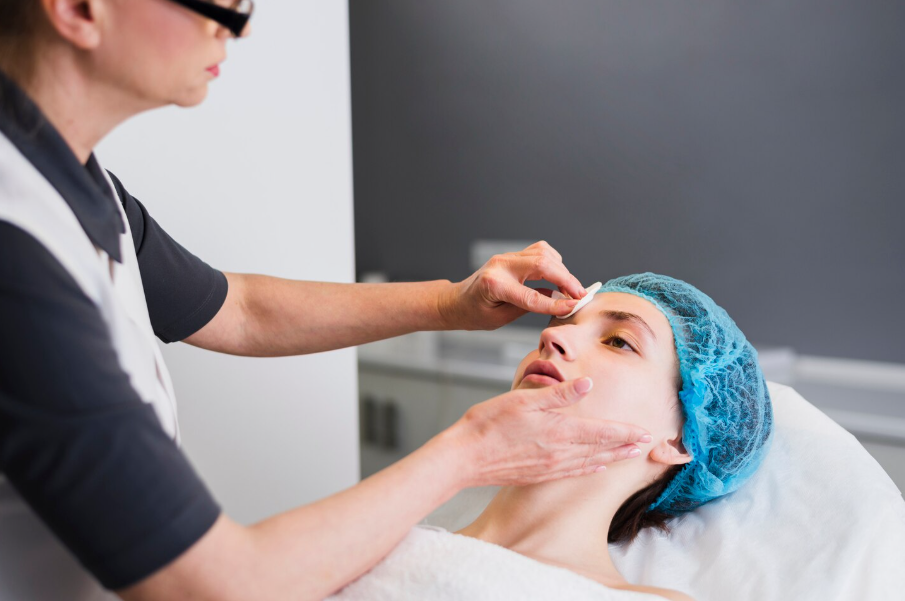
For more stubborn or persistent cysts, professional extraction is often necessary. Dermatologists may employ a sterilised needle to create a small opening, gently easing out the keratin cyst. This method ensures precision and reduces the risk of skin damage or infection. Other advanced options include laser therapy or chemical peels, which can efficiently target and reduce multiple milia seeds simultaneously.
Preventative Measures
Preventing the emergence of milia seeds centres around maintaining an effective skincare regimen. Consistent exfoliation using gentle physical or chemical exfoliants helps in preventing the accumulation of dead skin cells. Additionally, careful selection of non-comedogenic skincare products minimises pore blockage. Adequate sun protection also plays a vital role, as sun damage can exacerbate milia formation.
Myths Surrounding Milia Seed Removal
There are circulating myths surrounding milia seed treatment, warranting clarity for those contemplating removal. One common misconception is that milia can simply be popped or squeezed out like traditional acne. However, attempting home extraction without proper tools and techniques can introduce bacteria or lead to scars. It is advisable to seek expert care to avoid potential skin trauma.
Contrary to some beliefs, milia do not correlate with poor hygiene. Their formation primarily stems from internal skin processes rather than external impurities. Thus, maintaining a balanced skincare routine, rather than over-cleansing, is pivotal in managing the condition.
Professional Treatment and Home Remedies
The effectiveness of professional treatment over home remedies largely depends on the severity and persistence of milia seeds. For newly emerged cysts, adopting a skincare routine that incorporates mild acids or exfoliants may suffice. Regular use of eye creams with retinol or gentle peeling agents can aid in early intervention.
However, for individuals with extensive milia formation resistant to over-the-counter solutions, professional procedures like laser therapy or microdermabrasion may offer a more comprehensive solution. These treatments not only address existing cysts but also improve overall skin texture and health.
Customising the Treatment Approach
The choice of treatment largely depends on individual skin type, sensitivity, and personal preferences. People with sensitive skin may favour gradual over-the-counter exfoliation, while those seeking immediate solutions might opt for professional extraction. Consulting with a dermatologist can provide tailored advice and identify the most effective milia seed treatment plans based on individual needs.
Conclusion
Understanding and treating milia seeds requires a nuanced approach grounded in careful skincare management and professional guidance when necessary. By identifying the right combination of preventative measures and treatment options, individuals can achieve clear, healthy skin beyond the confines of milia.