

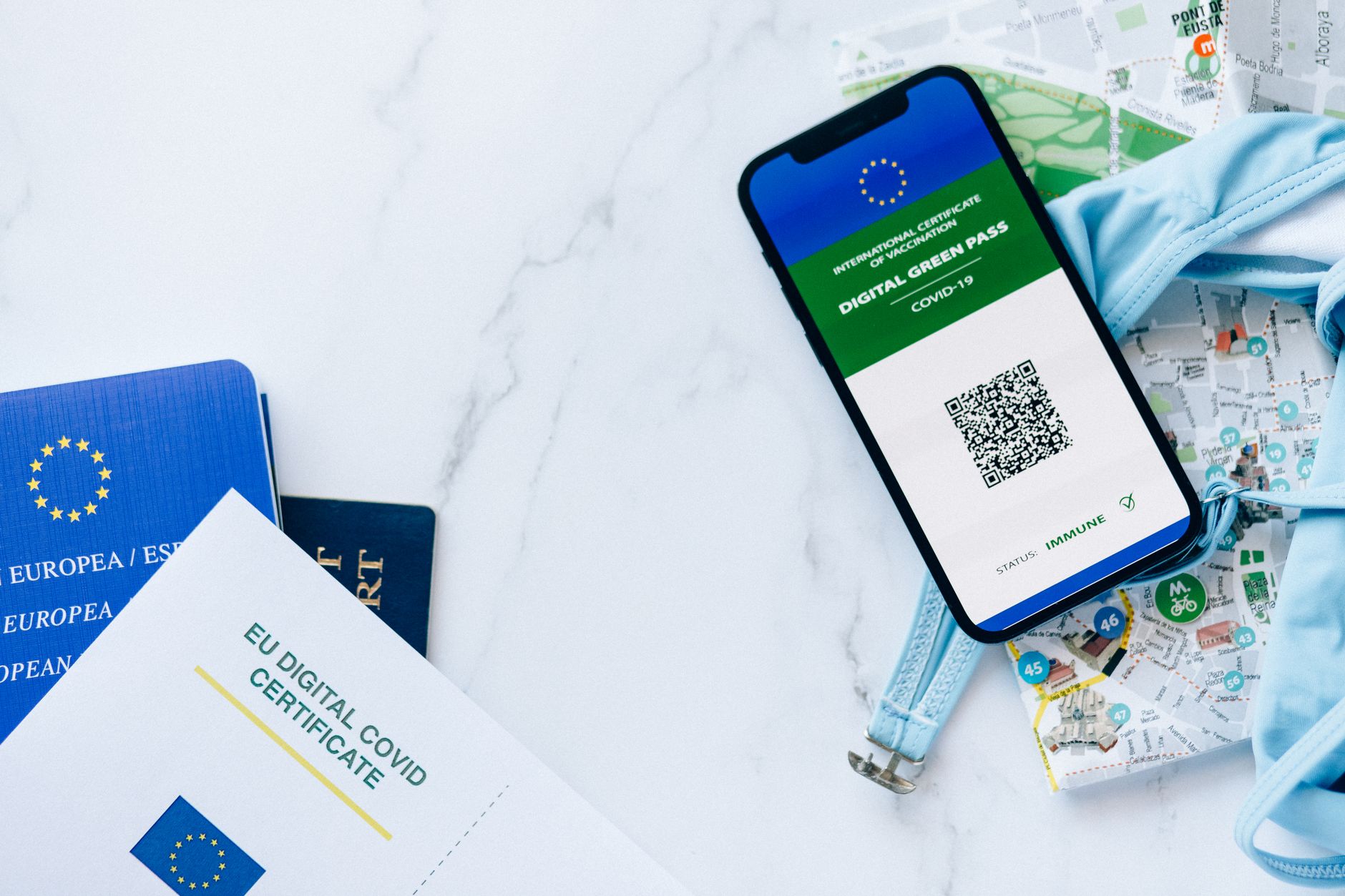
A decade ago, international travel for short visits often meant either a visa-free stamp on arrival or a lengthy embassy visit. Today, a growing number of countries have settled on a middle ground: a fast, digital pre-authorisation that travellers complete online before they ever board a plane. This shift is reshaping how people plan trips, and it's worth understanding if you travel even occasionally.
From Paper Stamps to Pre-Screening
The old model of border control relied heavily on decisions made at the point of arrival. An immigration officer would review a passport, ask a few questions, and stamp travellers through. It worked reasonably well for decades, but it also meant that problems — a flagged name, missing documentation, an unclear travel purpose — were only discovered after someone had already flown thousands of miles.
Digital authorisation systems flip that model. Instead of reviewing travellers at the gate, countries now review applications submitted days or weeks in advance. This is the logic behind a UK ETA visa: it allows immigration authorities to pre-clear the vast majority of routine travellers electronically, freeing up staff to focus on more complex cases at actual entry points.
What This Means for Travellers
For most people, the practical impact is a short online form completed before departure rather than a queue and interview on arrival. Applicants typically provide passport details, contact information, a photo, and answers to standard eligibility questions. Processing is usually measured in minutes to a few days, and the resulting authorisation is linked electronically to the traveller's passport — no physical sticker or stamp required.
The upside is a faster, more predictable arrival experience. The downside, if there is one, is that travellers now need to plan a step further ahead than they might have in the past. Forgetting to apply, or assuming you can sort it out at check-in, can mean a denied boarding pass rather than a minor inconvenience.
A Broader Global Trend
The UK is far from alone in adopting this approach. Similar systems exist or are being rolled out in the United States, Canada, Australia, and across the European Union, among others. Each has its own name, fee structure, and validity period, but the underlying idea is consistent: shift the administrative work earlier in the journey, and use data to streamline what happens at the border.
For frequent travellers, this has meant adjusting habits — checking entry requirements for every destination well before booking, rather than assuming visa-free access is automatically hassle-free. Travel agents and booking platforms have increasingly started flagging these requirements at the point of sale, which helps, but the responsibility for actually completing an application still sits with the traveller.
Getting It Right the First Time
Because these systems are relatively new, mistakes are common — mistyped passport numbers, mismatched names, or applications submitted too close to a flight date. Taking a few extra minutes to review every field, and applying with a reasonable buffer before travel, avoids the vast majority of issues.
As more countries adopt digital pre-authorisation, it's likely to become as routine as checking passport expiry dates. The travellers who adapt fastest will simply build it into their pre-trip checklist, alongside booking flights and checking the weather.