
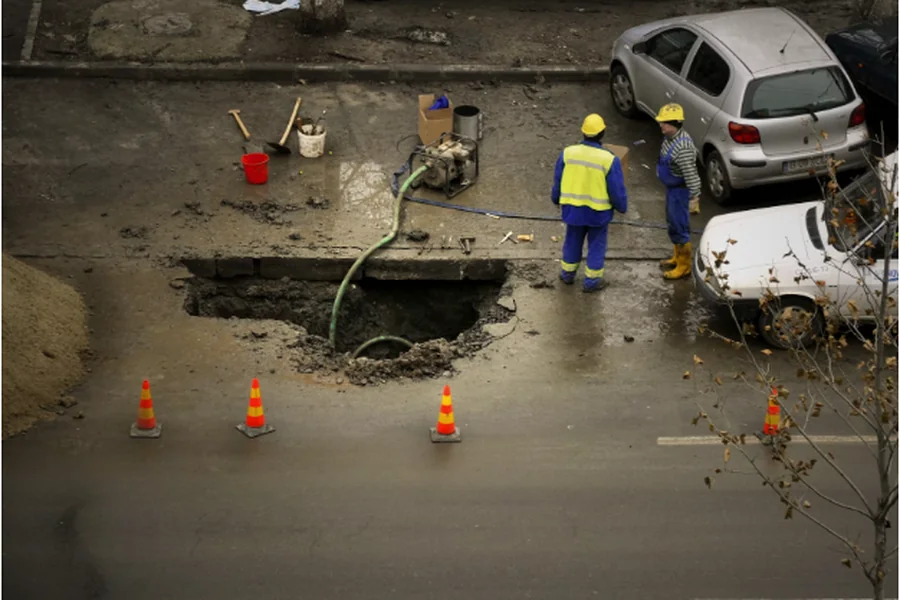
Underground utilities support almost every modern community, carrying water, electricity, gas, telecommunications and other services beneath roads, footpaths and building sites. Since these services are hidden from view, excavation work can become hazardous when their exact positions are unknown. To safely pothole for utilities, contractors use controlled excavation methods to expose and identify buried services before larger works begin. A damaged cable, pipe or gas line can cause injury, service interruptions, costly repairs and significant delays to a construction project. This is why contractors and utility teams rely on safe excavation methods to locate buried assets before larger works begin. Safe potholing for utilities provides a practical way to expose underground services and confirm their position before excavation proceeds. When carried out with suitable equipment and trained personnel, the process gives construction teams clearer information about what lies below the surface and helps them work with greater control.
Understanding Utility Potholing
Potholing involves creating a small excavation to expose an underground utility and confirm its location, depth and condition. Traditional hand digging can be used in selected situations, yet modern projects often rely on vacuum excavation. This method uses water and powerful suction to break up and remove soil around buried services. Since the process is far more controlled than using heavy mechanical equipment close to a utility, the chance of striking a cable or pipe can be reduced. Once the service has been exposed, workers can inspect its position and gather information that may not be available from plans alone. This information can then guide the wider excavation work and help site teams select safer working methods.
Why Potholing Matters During Construction
Construction plans and utility records do not always show the exact position of buried infrastructure. Older records may contain incomplete information, and underground services can sometimes differ from their recorded locations after years of repairs, upgrades or changes to surrounding properties. Potholing gives workers a direct way to verify what is actually beneath the ground before major excavation begins. Accurate information about utility locations can help project managers plan trench routes, position machinery and organise work areas with greater confidence. It can reduce the chance of unexpected interruptions and help crews avoid unnecessary excavation. For projects involving roads, buildings, drainage systems or other civil works, this early investigation can make site operations more predictable.
Protecting Workers and the Public
Utility strikes can create serious hazards. Contact with an electrical cable may result in severe injury, fire or equipment damage. A damaged gas pipe can create a risk of leakage, ignition or wider disruption. Water mains can release large volumes of water, damaging nearby structures and affecting public services. Potholing helps workers identify these hazards before heavy machinery is used around buried infrastructure. Safe work procedures, site assessments, suitable protective equipment and proper training all form part of responsible utility excavation. Workers need to understand the equipment being used, recognise warning signs and follow site procedures when an underground service is exposed. Clear communication between crews can further reduce confusion during excavation activities.
Technology Used for Utility Location
Modern utility investigations can combine potholing with locating technologies that provide information before the ground is opened. Ground-penetrating radar can help identify objects beneath the surface by sending signals into the ground and recording their reflections. Electromagnetic locating equipment can assist with tracing conductive cables and other suitable services. These methods do not replace physical verification in every situation, since underground conditions can affect the quality of detection. When used together, electronic locating methods and careful excavation can give project teams a more complete understanding of underground conditions. Better information can support more accurate planning and reduce unnecessary disturbance across the work area.
Environmental Benefits of Controlled Excavation
Excavation can disturb soil, vegetation, pavements and other surfaces. Vacuum potholing can limit the size and extent of this disturbance when compared with larger mechanical excavation methods. Smaller excavation points can make reinstatement easier and may reduce the amount of material that needs to be removed from a site. Water-assisted excavation can break apart compacted soil around utilities without relying on heavy machinery to dig directly against buried infrastructure. Responsible handling of excavated material and wastewater remains necessary, particularly on projects near drains, waterways or sensitive areas. Good site practices can help reduce waste and keep excavation activities within relevant environmental requirements.
Legal and Compliance Requirements
Utility excavation is subject to workplace safety rules, local requirements and procedures established by utility providers. Contractors need to identify buried services before excavation and follow approved practices for working near them. Failing to protect underground infrastructure can lead to injuries, service outages, repair expenses, project delays and possible legal penalties. Accurate records of exposed services can support project documentation and provide useful information for later construction stages. Working with utility owners and following recognised excavation procedures can give project teams a clearer framework for managing underground risks.
Training and Skilled Personnel
Safe potholing relies heavily on the people operating the equipment and interpreting the information collected on site. Workers need suitable training in vacuum excavation, utility identification, site safety and emergency procedures. Experienced technicians can recognise changes in soil conditions, identify exposed services and respond appropriately when unexpected infrastructure is found. Continued training can help workers remain familiar with new equipment, updated procedures and changes in industry requirements. A skilled team can make better decisions during excavation and reduce the likelihood of mistakes that could affect workers, the public or nearby services.
Managing Project Costs
Potholing creates an upfront expense, yet it can help prevent far greater costs later in a project. A damaged utility may require emergency repairs, specialist crews, replacement materials and additional site work. A service interruption can affect nearby homes, businesses or public facilities and may lead to compensation claims or regulatory action. Confirming utility locations before major excavation gives project managers better information for scheduling labour, machinery and materials. This can reduce wasted resources and limit delays caused by unexpected discoveries. The financial value of potholing often comes from preventing problems before they develop into larger construction issues.
Working Together on Utility Projects
Successful utility excavation involves cooperation between contractors, engineers, utility owners, survey teams and site managers. Each group may hold different information about underground services, making communication an important part of project preparation. Sharing current records, marking known services and documenting newly exposed infrastructure can help create a clearer picture of underground conditions. When teams communicate effectively, decisions can be made with better information and work can proceed with fewer interruptions. Good documentation can remain useful after the original project has finished, particularly when future maintenance or construction takes place in the same area.
Future Developments in Potholing
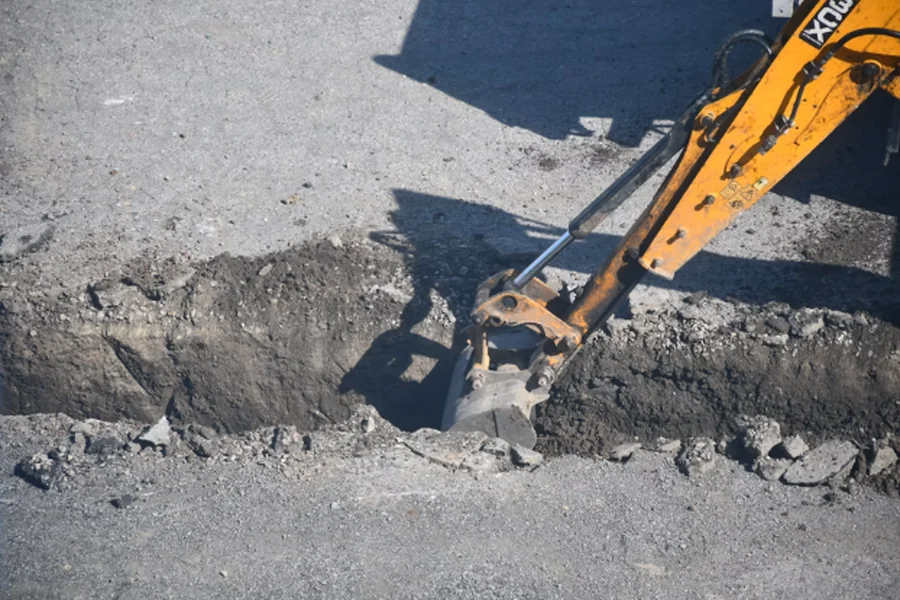
Utility potholing is likely to become increasingly connected with digital mapping, improved locating equipment and real-time site information. Digital utility records can make it easier for teams to access current information before excavation starts. Three-dimensional mapping and advanced surveying systems may provide more detailed representations of underground infrastructure, helping workers understand the relationship between different services. New equipment may further improve the speed and control of vacuum excavation. These developments can support safer work practices without removing the need for trained people and careful physical verification.
Conclusion
Potholing provides construction teams with a practical method for confirming the position of underground utilities before larger excavation begins. By combining controlled excavation, locating technology, trained workers and sound safety procedures, projects can reduce the risk of utility strikes and unexpected delays. The method can support better planning, protect workers and the public, limit ground disturbance and help control project costs. As underground infrastructure becomes more complex and construction activity continues to grow, accurate utility location will remain a key part of responsible site preparation. Potholing offers a straightforward approach that helps teams gain reliable information about what lies beneath the ground before work moves forward.