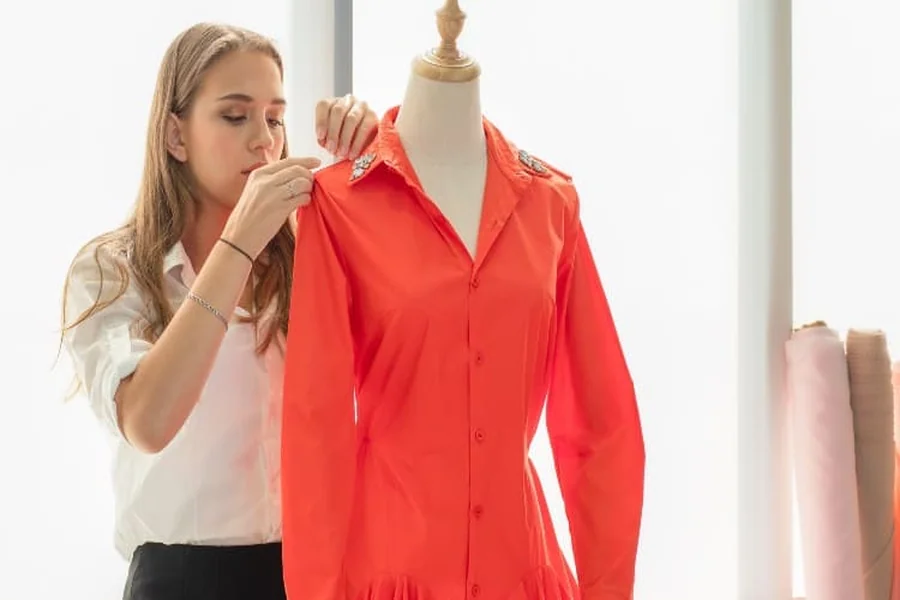
How many yards of fabric to make a dress is one of the most introduced questions in sewing. If you are creating your own sheet of fabric or are doing a more complicated sewing endeavor you know the needs of which fabric to use is one of the most crucial aspects of dressmaking. Purchasing a small amount of fabric can leave you stuck in the middle of the project and purchasing a large amount of fabric might raise your budget needlessly.
The quantity of fabric required shall depend on various factors such as measurements of body to be covered by your sleeve design of fabric and your chosen sewing design. A plain summer dress can only require much less fabric than a long-sleeved formal evening dress or with layered details.
Assuming that you have your next sewing project in mind this guide will guide you and enable you predict fabric yardage with confidence whilst keeping off some pitfalls frequently encountered. In learning dress styles measurements and type of fabric you can be able to make a gorgeous homemade garment that will fit your design as well as your budget.
What Affects Fabric Yardage for a Dress
Also, Asking How Many Yards Of Fabric To Make A Dress there is no correct answer of all projects. A number of design considerations determine the amount of material you will require.
One of the largest factors is the length of dresses. A mini dress automatically requires less fabric as compared to a midi dress or a floor length gown. There is also variation in sleeve-style that vary yardage requirements. Sleeveless dresses tend to require less fabric than long sleeves puff sleeves or layered sleeves which demand more fabric.
Measurements of the body are also important. Bust waist hip and shoulder measurements aid in the determination of pattern sizing that has a direct influence on fabric use. Big sizes may require extra options of yardage to be comfortable and well-fit.
Another important outlay is fabric width. Normal cloth is usually available in either forty four or sixty inch widths. Large fabric will help to save on yardage since the pieces used to create patterns fit better.
Pattern matching can also add to the utilization of fabric. When using stripes floral prints plaid patterns or directional prints then you might need additional fabric in order to properly align the pattern.
Fabric Yardage Based on Dress Length
When calculating yardage, dress length usually makes a good beginning, as far as estimation is concerned.
A short dress will normally need less fabric. Valley mini dresses have a simple form, and the size used usually ranges between two and three yards depending on the size and design of the sleeves.
The approximate amount of a knee length dress is three yards to four. It usually applies to office dresses day dresses, and the classic fitted designs.
Fullness and pleat details generally make Midi dresses require around four yards. Straight cut dresses might also require less material as compared to line silhouettes and gathered skirts.
These maxi dresses and formal gowns may use a range of four to six yards or more depending on the dressing design of the dress which may involve layer train or dramatic sleeves.
Dresses with flowing skirts and soft materials, like chiffon or georgette, can require extra yardage due to a lining or overlay.
Choosing the Right Fabric for Dressmaking
The type of fabric used will influence the dress appearance and the quantity of the fabric. Various textiles will act differently during cutting and sewing.
One of the most novice friendly materials is cotton cloth. This is a stable easy to cut and cuts well with casual dresses summer dresses and everyday outfits.
Linen fabric gives a natural breathable appearance that is a great fit in hot weather. It is commonly worn with loose figures.
Satin cloth offers smooth elegant texture and is used in evening dresses and formal gowns and special occasions.
Chiffon material produces flow and tenderness yet in most cases, it needs lining due to the light nature of its structure.
Velvet material complements and provides a rich aura which suits the colder weather and special occasions.
Jersey knit can stretch and is comfortable but can be difficult to sew.
Drape weight texture and care instructions: Purchasing fabric at all times. Before beginning your project always take into account the drape weight texture and care instructions.
How Sewing Patterns Help Estimate Fabric Needs
One of the surest aids in estimating the amount of fabric is of sewing patterns. The majority of the commercial designs incorporate yardage values pegged on the width of the fabric used and on designs specifications.
Patterns frequently can specify individual quantities of fabric of various types in the same dress. To use an example sleeveless one might need less fabric than a long sleeve one. Collar ruffles or pocket adorned dresses might also require additional material.
When you are writing your own pattern you will have to be more careful in measuring. Measures of every item of patterns and planning on cloth aid in the minimization of wastage.
Many dressmakers who are experienced will draw a layout of the fabric prior to cutting. This not only enables easy visualization, but also avoids unnecessary yardage purchased.
The additional piece of fabric is frequently a clever idea particularly to the novices. Small errors corrections or alterations of the design can use more material in the process of construction.
Common Mistakes When Buying Fabric
Novices have easy shopping blunders when buying fabric. Among the most widespread problems, it is preferable to purchase fabric without looking at the width composition or stretch before basing the choice on outward appearance.
Weaknesses in ignoring the shrinkage of fabrics can also lead to problems. Cotton and linen are natural fibers which can shrink during the manufacturing process. It is better to prewash fabric prior to cutting to prevent sizing problems in future.
There are sewists who lose track of seam allowance hem allowance and such extras as pockets, belts or bow details. These design features may require additional fabric.
Selecting the wrong cloth to create the design can also have an impact on the end product. An organized dress cannot fit best with a too-soft fabric whereas a loose dress can also lose its fashionability if the fabric is too hard.
To plan to save on time, money, as well as frustration, during the sewing process.
Final Thought
The Known knowledge of How many yds of fabric to cut a dress is one of the greatest in making dresses. The actual amount varies depending on the size of the length, fabric width, and design specifics; however, the availability of a clear plan makes all sewing endeavors easier and more pleasant.
Mini dresses up to fancy gowns, each design implies various needs to the fabrics and artistic opportunities. With the correct material checking your measurements and adhering to one of the trusted sewing patterns you can produce a handmade dress that is well-fitting and looks gorgeous.
The more experience you attain the more you can rely on drawing estimates on yardage. Sewing is also not merely related to designing clothes but also using the fabric to convey the creativity as well as personal style.
FAQs
How many yards of fabric do I need for a simple dress?
A simple dress often needs between two and four yards depending on length size and sleeve design.
Does fabric width affect how much fabric I need?
Yes. Wider fabric often reduces the total yardage needed because pattern pieces fit more efficiently.
How much fabric is needed for a maxi dress?
A maxi dress usually requires around four to six yards depending on the silhouette and extra design details.
Should I buy extra fabric for my sewing project?
Yes. Buying a little extra fabric can help with mistakes pattern matching or design adjustments.
Do stretchy fabrics require less yardage?
Sometimes. Stretch fabrics may fit differently but the exact yardage still depends on the dress pattern and design.
Why should I prewash fabric before sewing?
Prewashing helps prevent shrinkage and ensures the finished dress keeps its intended fit after cleaning.
Leave a Reply